Pentagon seeks $67bn additional funding for Iran war as costs reach $37.5bn
US-led military campaign against Iran has incurred $37.5bn in costs since February, with the administration requesting a further $67bn to replenish munitions as part of a record $1.5 trillion 2027 defence budget.
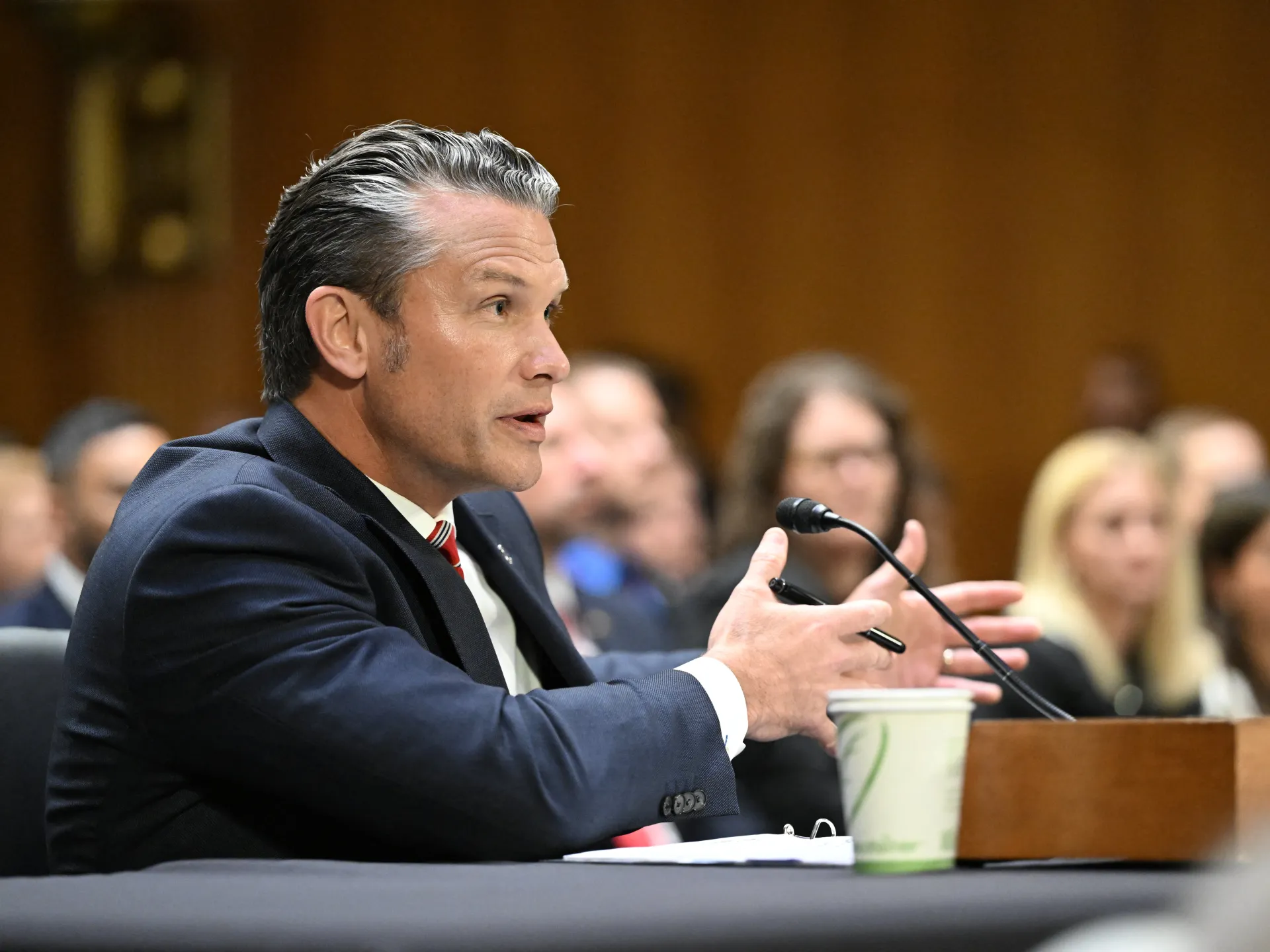
United States Defense Secretary Pete Hegseth testified before the Senate Appropriations Committee on 22 July 2026, revealing that the US-led war on Iran has cost approximately $37.5bn since commencing on 28 February. During the session, Hegseth requested an additional $67bn to replenish depleted weapons stockpiles, including Patriot and THAAD systems, which have fallen to 50% or less of pre-war levels. The request forms part of a $1.5 trillion defence budget proposal for the 2027 fiscal year, representing a 44% increase in annual spending.
The testimony occurred amid a breakdown in a June agreement with Tehran and 11 consecutive nights of US attacks on Iranian targets. Bipartisan senators, including Democrat Gary Peters and Republican John Kennedy, grilled Hegseth and General Dan Caine, chair of the Joint Chiefs of Staff, regarding the war’s escalating costs and lack of tangible results. Senator Peters characterised the request as a blank cheque from the American people, while Senator Kennedy demanded straight answers regarding the failure to secure a decisive victory.
Independent estimates suggest the war’s costs are approximately $1bn a day, potentially reaching more than $100bn by mid-July. This figure significantly exceeds the $25bn estimate provided by the Defense Department in April. Hegseth warned that failure to approve the funds would threaten the ability to pay service members and sustain vital global operations, citing critical shortfalls in equipment and munitions consumed during contingency operations.
At least 18 US service members are dead, and about 500 are injured in the conflict. Globally, including in the US, petrol prices and living costs are soaring as the war continues. The additional defence funding requested by the Trump administration forms part of a broader $1.5 trillion budget proposal for the 2027 fiscal year, which would be the highest in US history if approved.
The 2027 defence budget, if approved by Congress, will represent a 44% increase in annual US defence spending. Already, US defence spending in 2026 was at a record high of $1.05 trillion, compared to $919.2bn in 2025. Hegseth described the additional funds and the record-high budget as a generational investment, though critics argue the war is unpopular and lacks clear strategic outcomes.
US weapons stockpiles are running low amid the war on Iran, with replenishing them expected to take billions of dollars and between several months and several years. Analysis by the Center for Strategic and CSIS shows that the US has used up significant numbers of its most powerful munitions on Iranian targets. Stockpiles of at least four munitions – Patriots, THAADs, Standard Missile-3, and Precision Strike Missiles – are now at 50% or less compared with pre-war levels.
The White House initially asked for $87.6bn in additional funding for the 2026 budget year earlier in June, with more than three-quarters of that, or $67.1bn, earmarked for the Department of Defense. Hegseth’s request for an additional $67bn is nearly double the current bill, aimed at keeping up the war effort. The supplement will go towards weapons production and procurement, payroll, operational costs, training, and replacing damaged or lost equipment.
While the government historically raised taxes or sold bonds to fund wars, modern wars are funded through borrowing, making their immediate effects less noticeable to the public. However, the humanitarian costs in the Middle East, the deaths and injuries to US servicemen, and the impact on Washington’s reputation as a global superpower remain significant concerns. The war on Iran is also causing pain for the domestic economy, with soaring living costs affecting American households.