Pentagon seeks $1.5 trillion budget as Iran war costs rise to $37.5bn
Senate appropriators question the scope of the request, which includes funding for border patrols and Caribbean operations, as conflict costs outpace previous estimates
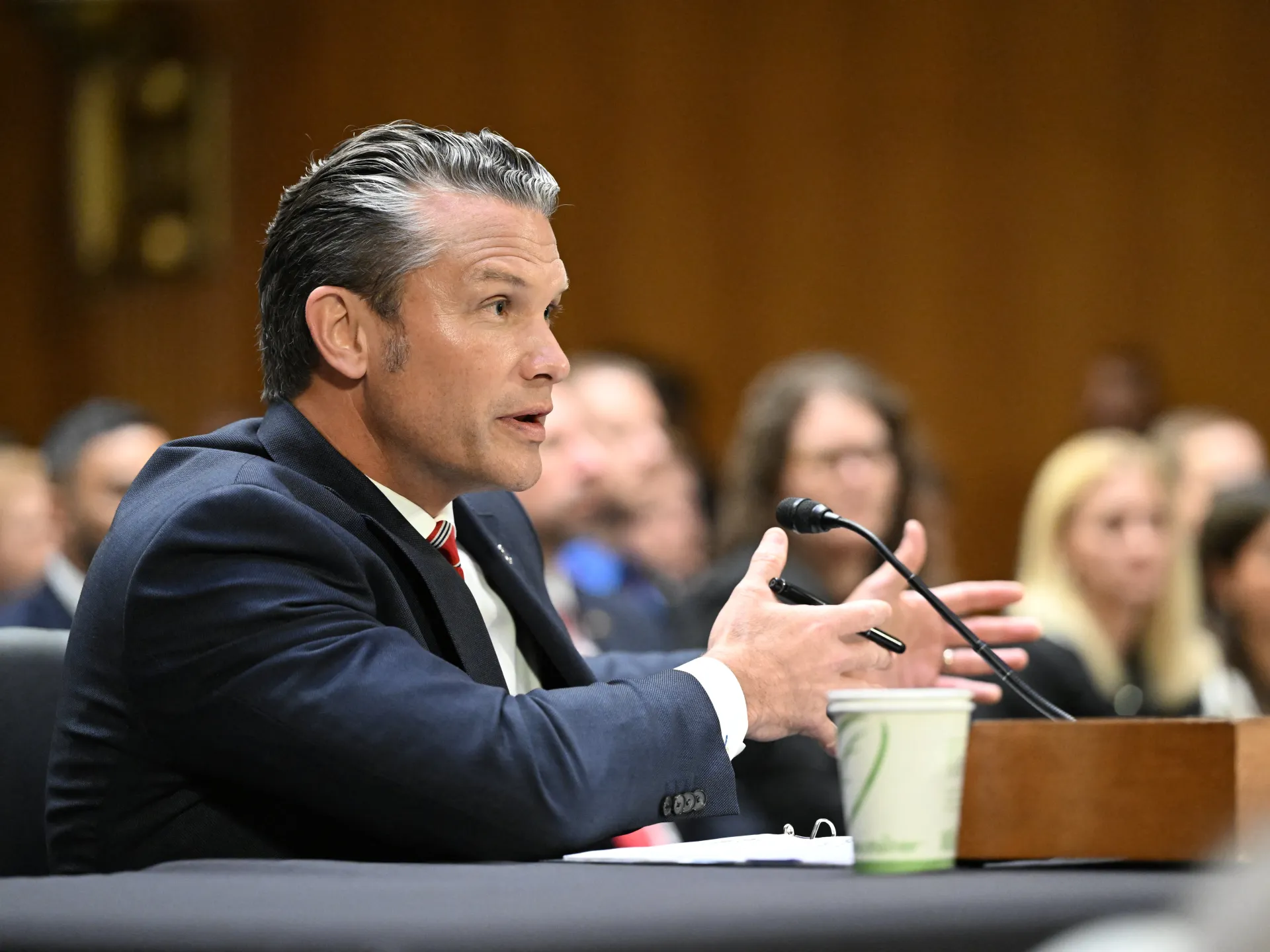
US Secretary of Defense Pete Hegseth testified before the Senate appropriations committee on Tuesday, confirming that the US-Israel war on Iran has cost $37.5bn to date. The figure, which covers operations and maintenance costs extending through the end of September, represents an $8bn increase from the $29bn estimate released by the Trump administration in May. Hegseth and Joint Chiefs of Staff Chairman Dan Caine used the hearing to request a total defence budget of $1.5 trillion, seeking nearly $70bn specifically to address the conflict.
The Pentagon chief highlighted severe strains on US weapons stockpiles resulting from the war, which commenced on 28 February. Hegseth stated that urgent funding is required to expand production lines and accelerate the delivery of high-demand munitions, including solid rocket motors, Joint Direct Attack Munitions, hypersonics, and counter-drone capabilities. He warned that without immediate budgetary support, military training would have to be curtailed in the future.
The reported expenditure remains significantly lower than independent analyses. Moody’s Analytics has estimated that the domestic costs of the war, accounting for factors such as higher energy prices for US consumers, could reach up to $150bn. During the hearing, Democratic Senator Dick Durbin questioned Hegseth directly on the cost estimate, prompting the Secretary of Defense to clarify that the $37.5bn figure reflects current official accounting without providing further granular specifics.
The testimony occurred against a backdrop of escalating hostilities following the collapse of a ceasefire memorandum that had halted attacks since 17 June. President Donald Trump has threatened to target Iranian energy plants and bridges, deploy ground forces to seize Kharg Island, and bomb a deep-underground nuclear-linked site known as Pickaxe Mountain. Recent strikes have targeted infrastructure in Kuwait, Bahrain, and Jordan, as well as sites Iran uses to influence the Strait of Hormuz.
Democratic Senator Patty Murray challenged the breadth of the proposed budget, noting it included funding for National Guard deployments in Washington DC, operations against alleged drug smugglers in the Caribbean, and military patrols of the US border. “The truth is, your request does not make a lot of sense,” Murray stated. Meanwhile, regional tensions have widened, with Houthi forces in Yemen declaring a maritime blockade against Saudi Arabia as Iran pledges to continue striking US assets in the region.