Pentagon review probes NATO allies on alignment with US foreign policy
Documents obtained by Al Jazeera show the US Department of Defence is assessing allies’ political loyalty and defence spending commitments as part of a six-month review of forces in Europe.
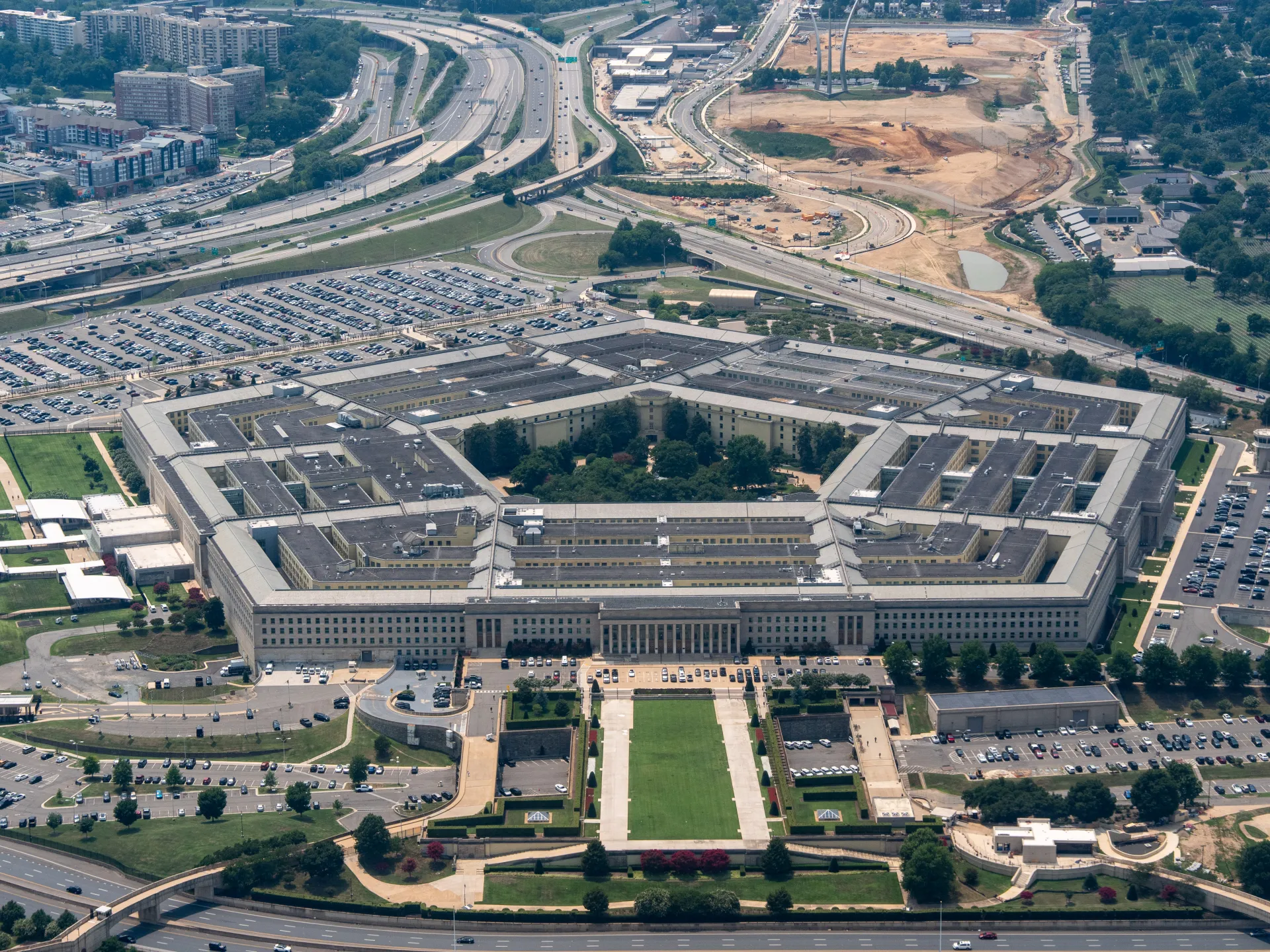
The US Department of Defence has distributed a three-page questionnaire to NATO allies, seeking to gauge their adherence to President Donald Trump’s foreign policy priorities. Titled “Questions for NATO Allies & Other Key Stakeholders,” the document was obtained exclusively by Al Jazeera and appears to guide interactions between US officials and their counterparts during an ongoing six-month review of American forces in Europe.
The questionnaire explicitly asks whether allies have been “publicly supportive of US foreign policy priorities” and if they have aligned with the administration’s approach to being “strong, clear, and quiet.” This phrasing references a statement made by Defence Secretary Pete Hegseth at the Shangri-La Dialogue in May. The document also inquires whether allies have endorsed the “NATO 3.0” concept, which advocates for increased European defence responsibility with more limited US support.
A significant portion of the inquiry focuses on military access, asking if allies have placed restrictions on US access to bases and airspace. This issue has become a point of friction following the US-Israel war on Iran, which began on 28 February. Several European countries imposed such restrictions, and the questionnaire asks whether these nations are willing to reduce or eliminate them.
The political implications of the review are evident in the treatment of specific allies. Spain, for instance, has faced criticism from the US administration for seeking an exemption from a 2025 agreement to raise military spending to 5 percent of gross domestic product. Madrid also closed its airspace to US planes and refused to allow the use of bases for attacks against Iran, prompting President Trump to threaten trade cuts.
A senior European official described the document as reflecting the Pentagon’s desire to develop a case for “specific, almost vindictive force presence reductions” if allies do not align with the White House agenda. While the official noted the document does not explicitly condition US military presence on political loyalty, they argued it sends a message that allies must be on the “good side” of the White House by expecting close alignment with its priorities.
Critics argue the questionnaire blurs the line between alliance management and unilateral operations. A senior defence official from a NATO ally stated that the administration has been “confusing NATO topics with unilateral US military operations,” noting that the conflict in the Middle East falls outside the purview of NATO’s collective defence pact. The Pentagon did not immediately respond to questions regarding the distribution scope or intent of the questionnaire.