Pentagon orders accelerated weapons production as Iran conflict drains stockpiles
US missile interceptor inventories have fallen by at least 65 per cent, prompting urgent calls for faster delivery schedules despite a stalled defence spending bill in Congress.
The US Pentagon has directed the defence industry to significantly accelerate the production of weapons to replenish depleted munitions stockpiles, specifically those utilised in the ongoing conflict with Iran. Deputy Defense Secretary Steve Feinberg issued a memo to industry leaders on Wednesday, requiring them to submit plans within 21 days to increase production and delivery schedules for critical capabilities. Pentagon spokesman Sean Parnell confirmed the directive is real and stated it would inform the fiscal year 2028 budget request to Congress.
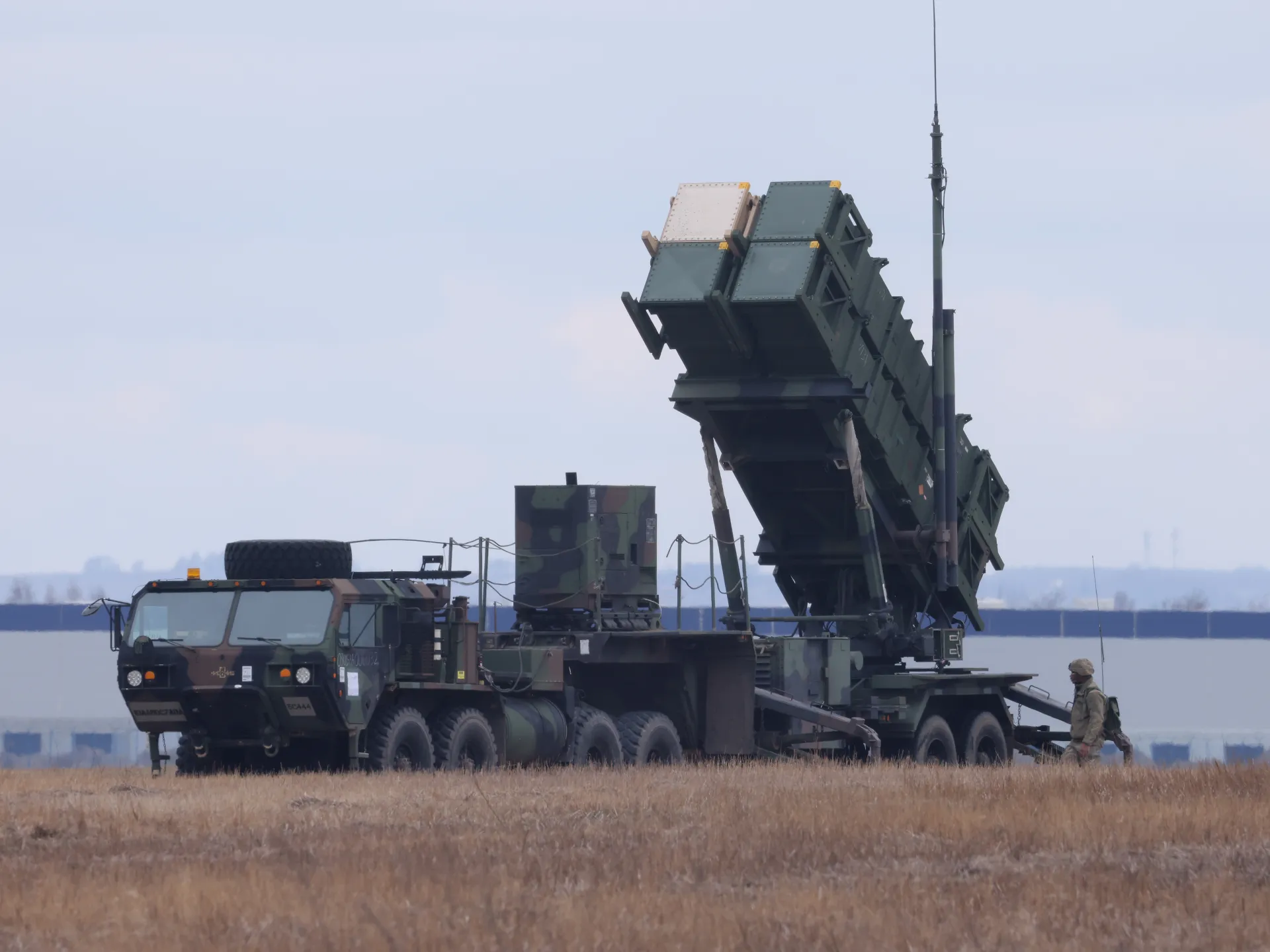
The urgency follows reports that US stockpiles of Patriot and Terminal High Altitude Area Defense (THAAD) missile interceptors have fallen sharply since the five-month-old conflict began. According to estimates from the Center for Strategic and International Studies (CSIS), the number of Patriot interceptors has dropped from 2,330 before the war to an estimated 759–827 currently, representing a decrease of at least 65 per cent. THAAD interceptors have also declined from 452 to between 234 and 278, remaining at least 38 per cent smaller than pre-conflict levels.
Feinberg’s memo emphasised that “years-long development cycles are not acceptable” and demanded that contractors “dramatically accelerate our program schedules and expand our production capacity now.” This push comes after recent fighting depleted stockpiles that had seen some replenishment during a ceasefire in April. The Department of Defense recently signed a new deal with Lockheed Martin and Northrop Grumman to ramp up production capacity for missile defence system parts, though experts warn it may take at least three years to restore inventories to pre-war levels.
Retired US Marine Corps colonel Mark Cancian, a CSIS analyst, warned that there are no good substitutes for Patriot interceptors. He noted that shortages in both offensive and defensive weapons could force US forces and Middle Eastern allies to take greater risks to conserve air defences, potentially allowing Iranian drones and missiles to get through. Cancian stated, “If we run out of Patriots, then the missiles get through.”
President Donald Trump has denied facing a strategic disadvantage, stating on Truth Social that the country has “massive amounts” of munitions and that contractors are building the “largest number of plants and factories in our country’s history.” However, a defence spending bill remains stalled in Congress, with lawmakers resisting the White House’s request to increase Pentagon spending to $1.5 trillion, up from about $900 billion last year.