Paris Saint-Ouen Flea Market: From Sanitation Reform to Global Luxury Hub
Once a refuge for displaced scavengers, the market now hosts 1,500 vendors and attracts international buyers seeking high-value vintage goods.
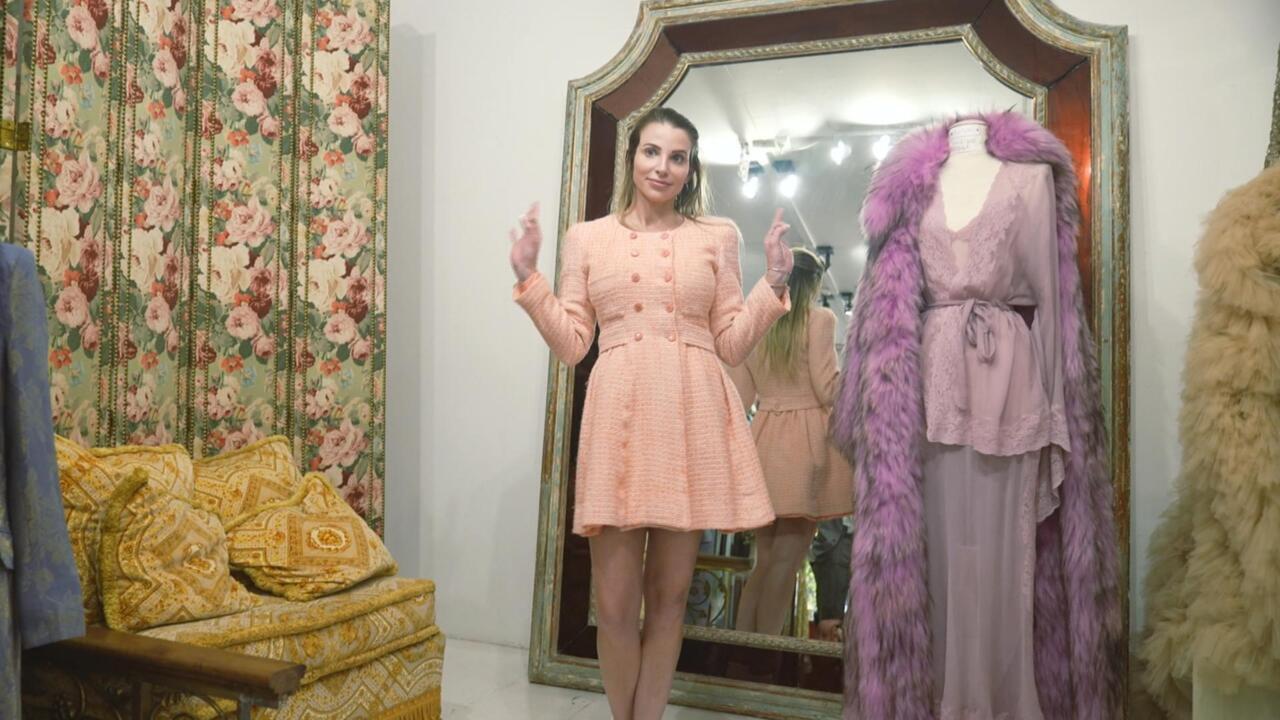
The Paris Saint-Ouen Flea Market, identified by France 24 as the world’s largest antiques destination, stands as one of France’s most visited sites. Operating with over 1,500 vendors, the complex offers a vast array of goods ranging from collectibles to vintage designer fashion. Recent coverage highlights the market’s appeal to international luxury buyers, including a specific transaction involving a vintage Chanel dress priced at €3,300, purchased by a client from Florida.
The market’s origins are rooted in late 19th-century public health reforms. When Prefect Eugène Poubelle made sealed rubbish bins compulsory in Paris, the new sanitation laws displaced rag-and-bone men and scavengers who previously relied on waste collection for their livelihood. Pushed out of the capital, these workers established informal gatherings in Saint-Ouen, which eventually evolved into a permanent, organised institution by the 1920s.
Today, the site is structured into 12 distinct sections, each catering to different consumer demographics. The layout includes Vernaison, noted for its village charm, and the upscale Paul Bert Serpette and Biron markets, which are described as sleek and focused on high-end antiques. In contrast, the Dauphine market serves as a hub for pop culture enthusiasts, housing vintage video games and the densest cluster of record shops in Europe.
The commercial activity at Saint-Ouen continues to attract wealthy clients seeking specific vintage items. Riad Kneife, a guide who has led wealthy clients through the market for 25 years, facilitated the recent acquisition of the €3,300 Chanel dress. This transaction underscores the market’s dual identity as both a historical archive and a contemporary luxury retail environment.
The institution’s growth from a displaced scavenger community to a major global destination reflects broader shifts in French cultural policy and urban development. While initially a necessity for those excluded from the capital’s new sanitation infrastructure, the market now functions as a significant economic and cultural asset, drawing international attention to its diverse inventory and historical narrative.