Paris opens canal for swimming as historic heatwave breaks records
France faces its worst heatwave in recorded history, prompting emergency measures and early closures of major landmarks as the 2026 FIFA World Cup commences.
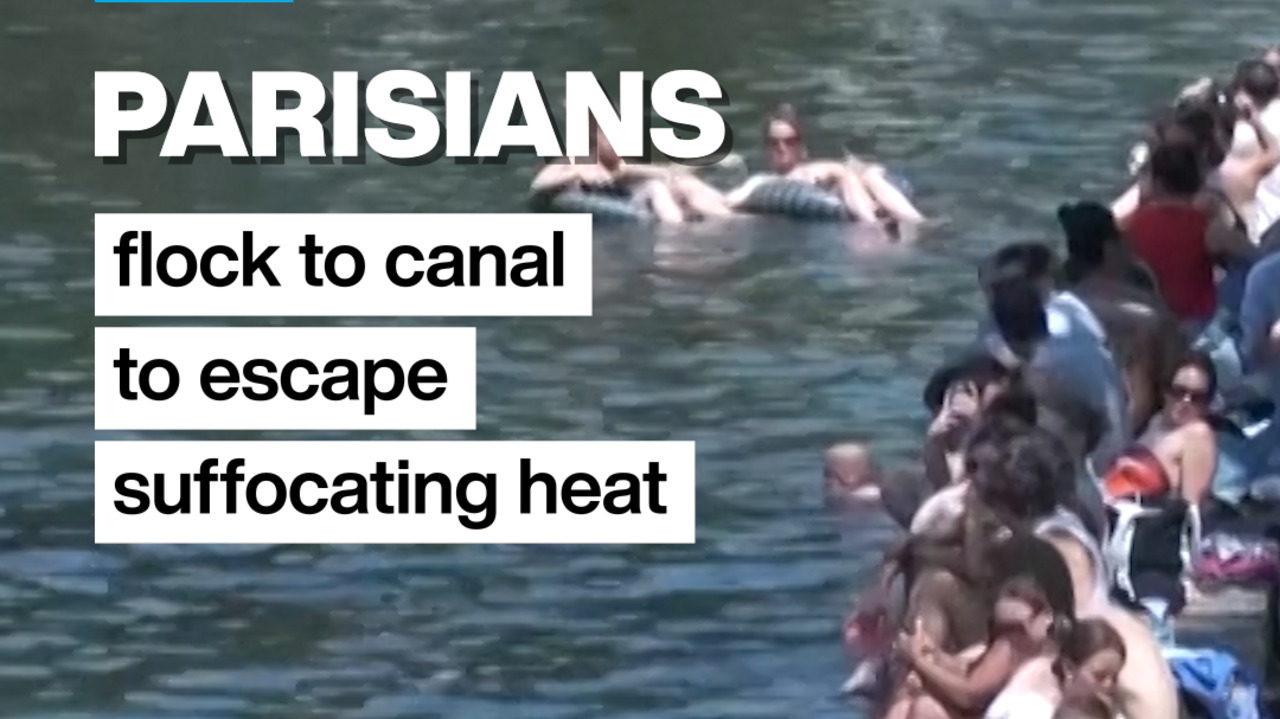
Parisians have gathered in significant numbers at the Canal Saint Martin to seek relief from what is being described as the worst heatwave in France’s history. The city authorities opened a designated section of the waterway to swimmers on or around 24 June 2026, a move intended to help residents cope with exceptionally high temperatures that have gripped the capital.
On 23 June 2026, Paris recorded temperatures above 40 degrees Celsius, marking a significant escalation in the current weather event. The opening of the canal area was implemented as a direct response to these conditions, offering a public cooling measure amidst the suffocating heat. While the initiative has been met with uptake from locals, reports indicate that residents are calling for more comprehensive adaptations to the city’s infrastructure to handle such extreme weather.
The heatwave has triggered broader operational impacts across the city beyond the immediate health risks. Major tourist landmarks have been forced to adjust their schedules, with the Eiffel Tower implementing early closures to manage the conditions. The extreme heat has also heightened risks for vulnerable populations, particularly the elderly, who are facing increased danger from the sustained high temperatures.
This weather event coincides with the commencement of the 2026 FIFA World Cup, which officially began on 11 June 2026 with the opening match between Mexico and South Africa. The tournament, involving host nations including France, is proceeding against a backdrop of severe climatic stress, with outdoor workers and the general public battling soaring temperatures across the country.
Concerns regarding the long-term viability of such weather patterns are already emerging in public discourse. Reports have highlighted fears of a “hairdryer effect” threatening agricultural crops, while political and environmental commentary has focused on the need for adaptation. Officials and residents alike are noting that the current crisis underscores the urgency of adapting national infrastructure to increasingly frequent and intense heat events.