Paris hosts third Esports World Cup as academic scrutiny intensifies
As the Esports World Cup unfolds in the French capital, experts from Paris Cité University examine the institutional and sociological implications of the expanding competitive landscape.
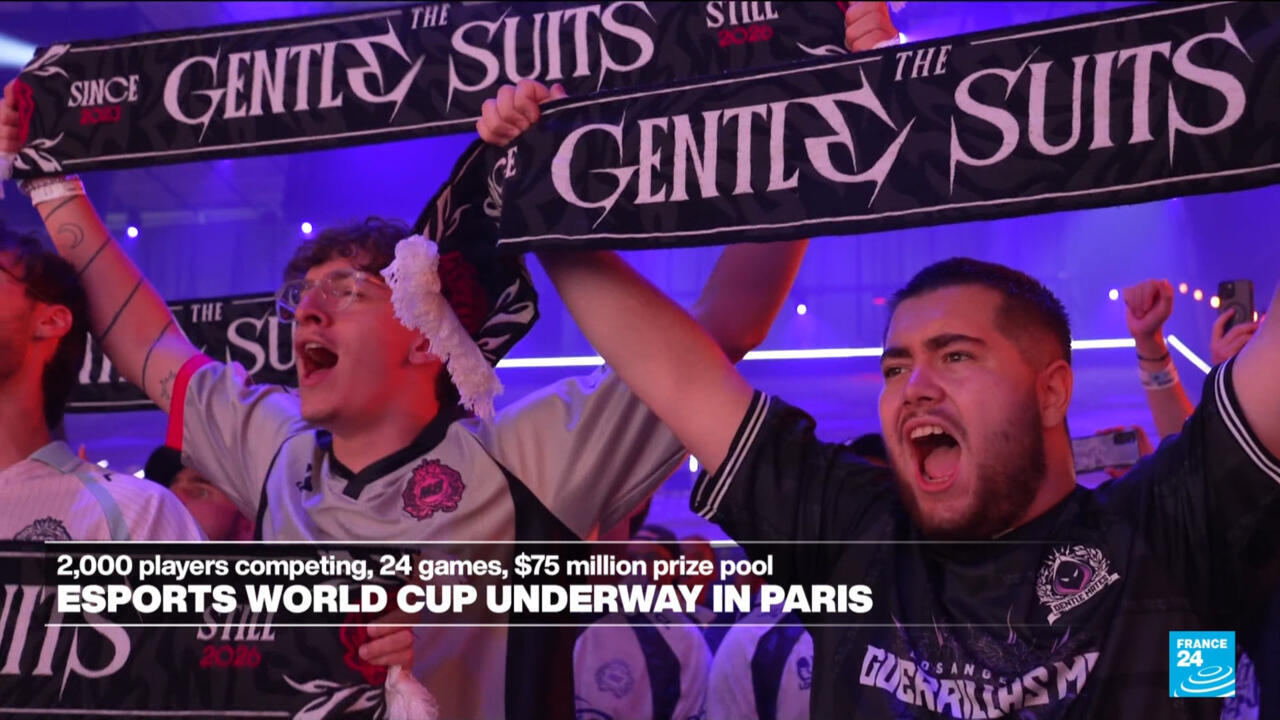
Paris is currently hosting the third iteration of the Esports World Cup, a major international competition that has drawn thousands of participants to the French capital. The event represents a significant consolidation of digital sport, with competitors vying for 25 distinct titles across 24 separate esports categories.
The scale of the tournament underscores the growing institutional footprint of competitive gaming. By aggregating numerous disciplines under a single banner, the event mirrors the structural complexity of traditional international sporting federations, albeit within a rapidly evolving digital ecosystem.
FRANCE 24’s Oliver Farry has reported on the unfolding proceedings, highlighting the logistical magnitude of bringing such a diverse array of competitors together. The broadcast has focused on the operational aspects of the tournament, noting the sheer volume of participants engaged in the contest.
Academic interest in the event is also evident, with commentary provided by Nicolas Besombes, Assistant Professor of Sports Sociology at the Institute of Sport and Health at Paris Cité University. His involvement signals a broader institutional recognition of esports as a subject of serious sociological and sporting analysis.
The presence of university-affiliated experts suggests that the governance and social impact of esports are becoming central to policy discussions. As the competition progresses, the intersection of academic inquiry and high-stakes digital sport is likely to remain a focal point for observers.
The specific dates of the tournament have not been detailed in initial reports, nor has the exact number of competitors been quantified beyond the description of 'thousands'. Similarly, the specific titles within the 24 categories remain unlisted in the current coverage.
Despite these omissions, the event’s structure is clear: a multi-title competition designed to test elite performance across a wide spectrum of digital disciplines. The ongoing coverage by international media outlets continues to track the developments as they emerge.