Paramount settlement removes major hurdle to proposed Warner Bros. takeover
Agreement with California and 11 other US states sets production, employment and news-independence conditions for Paramount’s proposed US$110 billion acquisition of Warner Bros. Discovery.
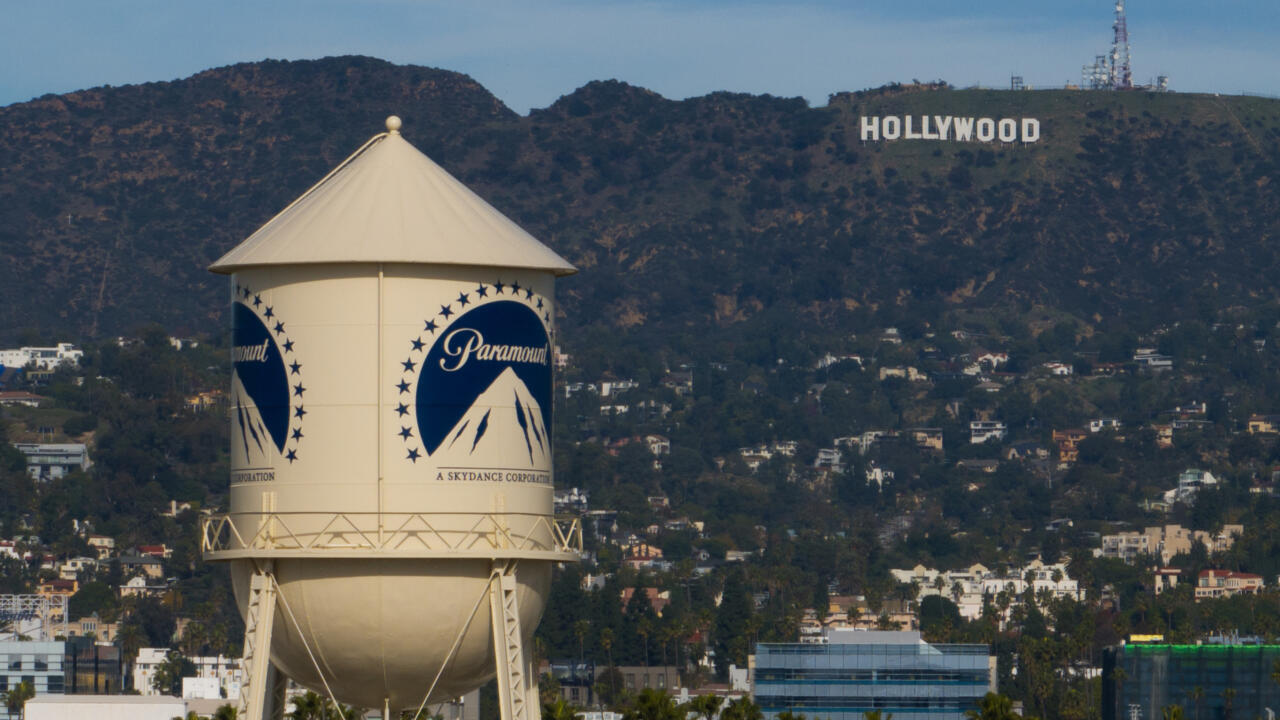
Paramount has reached a settlement with California and 11 other US states, removing a major legal obstacle to its proposed US$110 billion acquisition of Warner Bros. Discovery.
The states sued after the US administration approved the merger in June. Their complaint argued the combined company would control roughly 27 per cent of wide-release theatrical film distribution and a similar share of basic cable channels.
Under the settlement, the merged studio would be required to produce at least 30 films a year in each of its first two years, followed by at least 32 films annually for three years. At least four films in the five-year period would have to be independent productions, while at least 20 per cent would need to be blockbusters. Financial penalties would apply if the targets were missed, according to California Attorney-General Rob Bonta.
A joint court filing says Paramount and Warner Bros. would also have to spend at least US$300 million more annually on US film production than they did in 2025. The companies would be required to retain both studios’ production lots, honour labour agreements and fund workforce training.
The agreement also proposes a News Editorial Independence Board to set editorial principles for the combined company’s news operations, including CNN. Compliance would be overseen by an internal monitor, an independent trustee and a committee representing five states, with the court retaining enforcement jurisdiction.
The merger has not been confirmed as completed. Paramount won a reported bidding contest against Netflix in February, while the states’ settlement is intended to address concerns over competition, employment and editorial independence.