Panic refunds Playdate owners for illegal US tariff fees
The console maker is returning 19 per cent tariff charges to US customers after the Supreme Court ruled the original regime illegal, a move rare among major electronics firms.
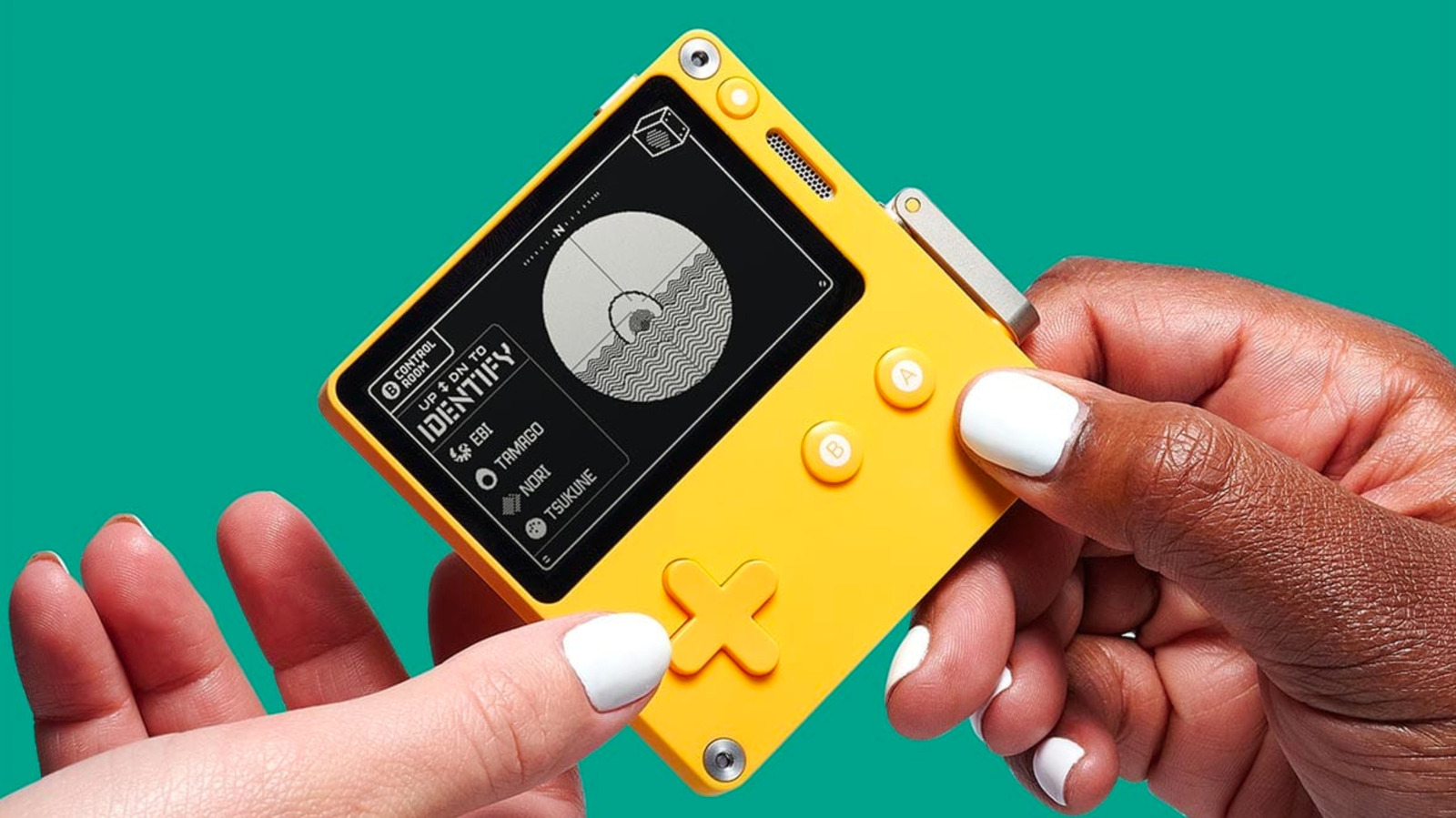
Panic, the developer behind the Playdate handheld console, is issuing refunds to US customers for tariff fees paid during the Trump administration’s original tariff regime. The company had previously passed a 19 per cent tariff fee to consumers as a line item at checkout, treating the charge similarly to a tax.
The US Supreme Court ruled the original tariff regime illegal in February 2026. Following the decision, Panic applied for a refund from the US government, mirroring the actions of many other businesses affected by the trade policy.
The company ceased applying the tariff fee to new orders after 21 April. However, it took until August to process refunds to consumers, a delay attributed to the time required to receive its own reimbursement from the government and build the internal systems necessary to manage the payouts.
CEO Cabel Sasser explained the decision to return the funds, stating that the money was not the company’s to keep. “It’s just not our money to keep, and it felt really good to give it back,” Sasser said. “That’s an easy way to know you made the right decision.”
Panic’s proactive approach contrasts sharply with the broader electronics sector. While major players such as Amazon, Sony, and Nintendo face class-action lawsuits alleging they are legally required to refund customers for similar fees, none have widely offered voluntary refunds.
Currently, shipping carriers including FedEx, UPS, and DHL are among the few firms providing a clear pathway for consumers to recover their tariff-related costs, leaving many electronics buyers in limbo.