Panasonic Q GameCube hybrid console now rarely sells for less than $1,000
The Japan-only hybrid console, which combined the Nintendo GameCube with a CD/DVD player, has become a scarce collector’s item. Loose units now typically trade between $1,200 and $1,300, while complete sets can exceed $2,000.
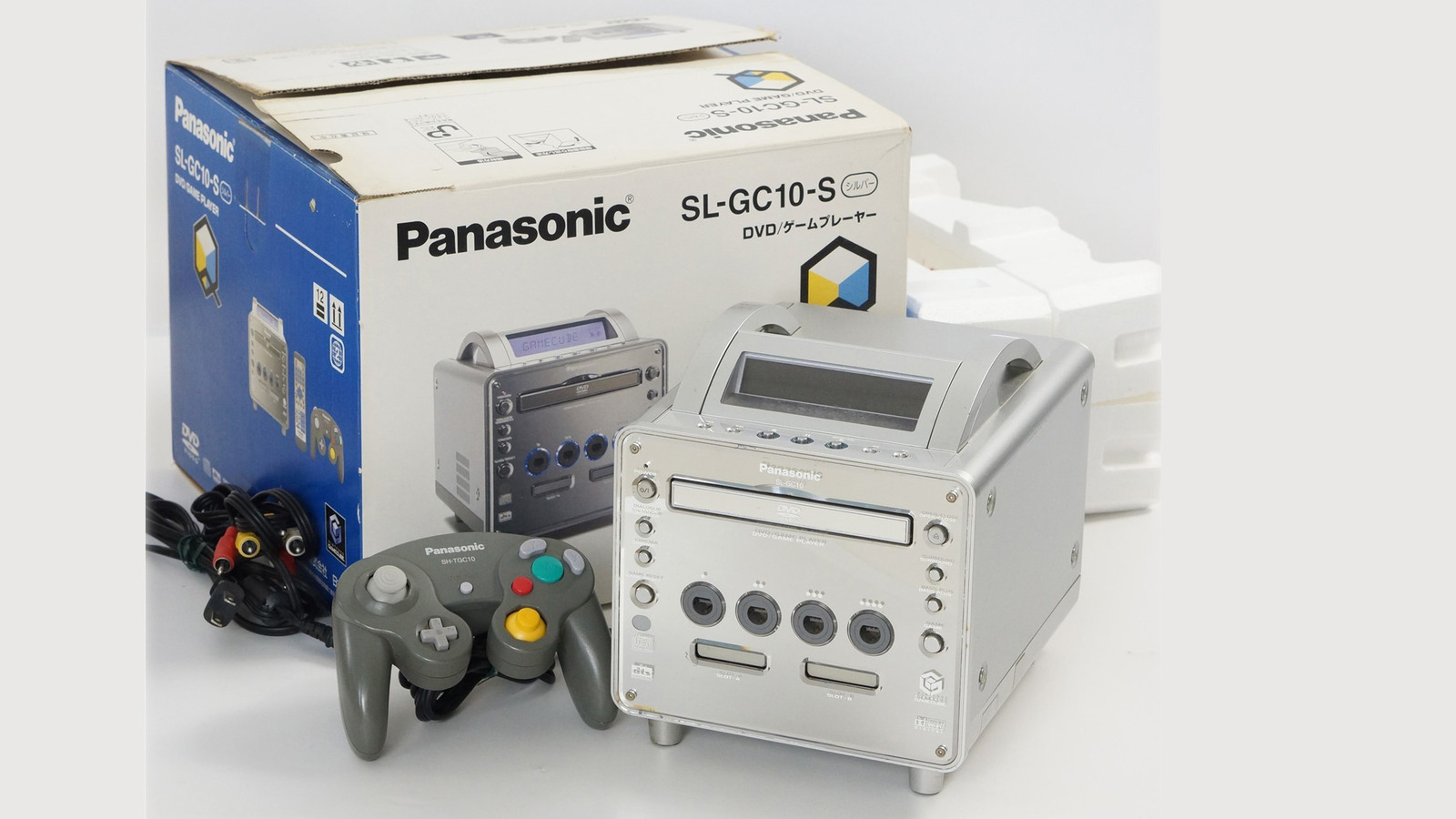
The Panasonic Q, a Japan-only hybrid device that merged the Nintendo GameCube with a CD/DVD player, has emerged as a niche collector’s item due to its limited availability. According to Engadget, loose units of the console are rarely found for less than $1,000 in the current market. Typical selling prices for standalone consoles now range between $1,200 and $1,300, while models accompanied by original packaging and paperwork can surpass the $2,000 mark.
The device, officially designated as the Panasonic SL-GC 10, launched in Japan in December 2001, three months after the standard GameCube debuted in the region. The hybrid design resulted from a partnership between Nintendo and Matsushita, Panasonic’s parent company, which had assisted in designing the GameCube’s optical miniDVD format. The console featured a motorised disc tray capable of accepting GameCube discs, DVDs, and audio CDs, alongside home theatre features such as Dolby Digital and DTS support.
Despite its technical specifications, the Q struggled to compete with the PlayStation 2. The console launched at ¥39,800, approximately $313 at the time, a price point that matched the PlayStation 2. However, Sony’s rival had entered the market nearly two years earlier and had already established DVD playback as a central selling point. The Panasonic Q required a manual hardware button to switch between game and media modes, a process that effectively powered down one side of the system and restarted the other, a friction point that did not exist in the PlayStation 2.
The Q was region-locked to Japan and never received an official launch outside the country, although modified imported units have been known to circulate overseas. Its limited production run and specific regional focus have contributed to its scarcity in the secondary market. The console’s gaming capabilities were identical to the standard GameCube, offering full compatibility with the library, though the unique industrial design meant the standard Game Boy Player accessory did not fit without a modified base.
Current valuations are based on observations from online marketplaces such as eBay, where the console has found a second life as a collectible. The high price point reflects the device’s status as a rare piece of early 2000s consumer electronics history. For those who retained the console, the investment has proven significant, with the device now commanding prices far above its original launch cost.
The Panasonic Q remains one of the more unusual entries in the GameCube family, distinguished by its reflective front panel, backlit LCD, and blue-glowing ports. While it was not a commercial success at the time of its release, its scarcity has driven up its value in the collector’s market. The console’s journey from a high-priced hybrid appliance to a premium collectible illustrates the unpredictable nature of long-term asset value in the consumer technology sector.