Palestinians hold first municipal elections since Gaza war begins
The Central Elections Commission reports a narrow political field dominated by Fatah and independents, while logistical adjustments and differing security protocols mark the vote in Gaza.
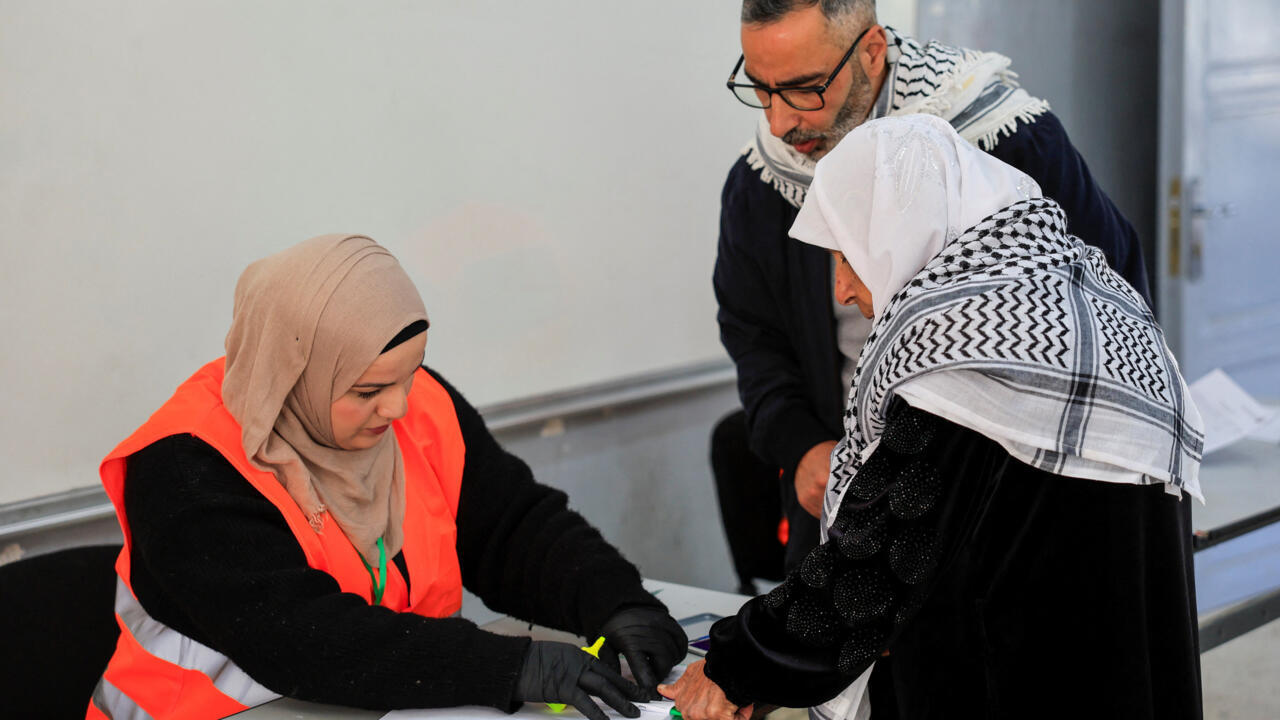
Palestinians in the West Bank and the Deir el-Balah district of Gaza cast ballots on Saturday for municipal elections, marking the first time voting has occurred in Gaza since the outbreak of the war in 2023. Polling stations across the region opened at 07:00 local time, presenting an electoral landscape defined by the absence of Hamas candidates and a limited field of contenders.
The Central Elections Commission confirmed that registered voters numbered approximately 1.5 million in the West Bank and 70,000 in Deir el-Balah. Electoral lists were primarily aligned with President Mahmud Abbas's Fatah party or operated as independent tickets. Notably, no candidates affiliated with Hamas appeared on any ballot papers in either jurisdiction, despite the Islamist movement controlling nearly half of the Gaza Strip.
In several West Bank cities, including Nablus and Ramallah, the political competition was minimal, with only a single list submitted in many instances. This lack of a competitive field meant victory was automatic without a genuine vote. In other areas, Fatah-backed tickets faced independent lists led by candidates from factions such as the Popular Front for the Liberation of Palestine.
Logistical adjustments were necessary due to the war's impact on infrastructure. While polls in the West Bank were scheduled to close at 19:00, voting in Deir el-Balah concluded at 17:00. The earlier closure in Gaza was mandated to facilitate ballot counting in daylight, as the area remains without electricity following the conflict.
Security arrangements differed significantly between the two regions. The election commission recruited staff from civil society organisations and hired a private security company to secure polling centres in the West Bank. Conversely, in Deir el-Balah, the commission hired private security, though an anonymous source reported that Hamas police insisted on securing the process using unarmed personnel in civilian clothing around the 12 polling centres.
The political atmosphere surrounding the vote reflected widespread disillusionment regarding the utility of the exercise. Mahmud Bader, a businessman from Tulkarem, expressed cynicism that the elections serve merely as an image shown to the international media rather than offering meaningful change against the Israeli occupation. Despite this sentiment, UN coordinator Ramiz Alakbarov commended the commission for organising a credible process, describing the event as an important opportunity for Palestinians to exercise democratic rights during an exceptionally challenging period.