Pakistan’s Sindh government establishes fund and issues notices after hospital-linked HIV outbreak
At least 130 people, predominantly children, have tested positive for HIV following lapses in infection prevention protocols, prompting federal bans and provincial accountability measures.
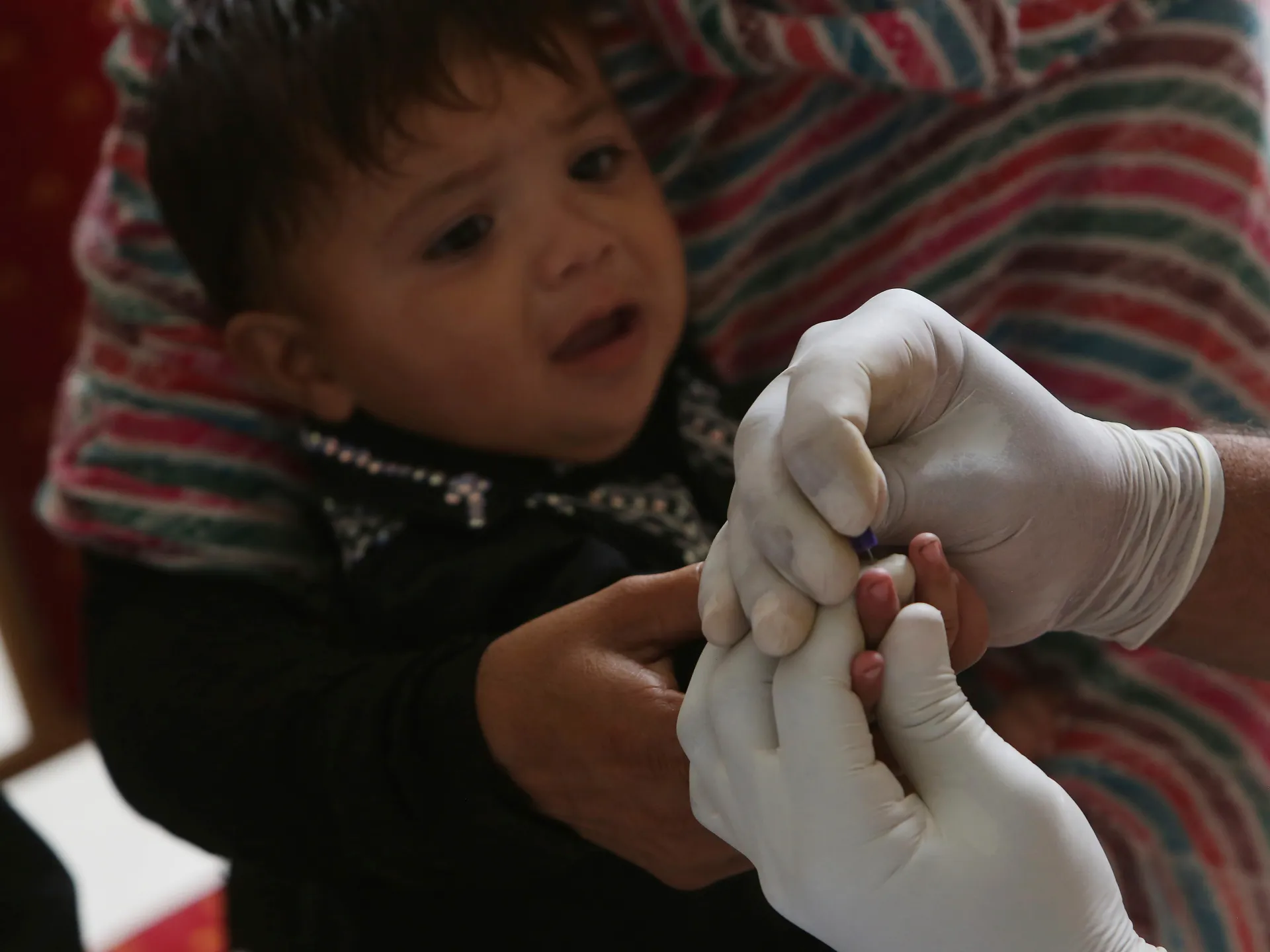
At least 130 individuals, mostly children, have tested HIV-positive following a major outbreak linked to the Kulsum Bai Valika (KBV) Hospital in Karachi, Pakistan. The facility, operated by the Sindh Employees’ Social Security Institution (SESSI), has become the focal point of a crisis that officials trace to October 2025, with the first cases identified in November of that year. The Sindh government has approved a 2 billion-rupee endowment fund to support the long-term care of affected children, while simultaneously initiating disciplinary proceedings against hospital staff.
Internal inquiries conducted by the provincial government have attributed the infections to systemic lapses in infection prevention protocols. These failures include poor adherence to safety standards, inadequate use of protective equipment, and the improper handling of single-use syringes. Sindh Labour Minister Saeed Ghani clarified that the outbreak was not caused by the reuse of syringes, noting that the hospital utilises auto-disable devices designed to prevent reuse. Instead, the inquiries identified administrative and supervisory failures that allowed unsafe practices to persist within the paediatrics department.
In response to the findings, 37 doctors and hospital staff members have been issued show-cause notices, with criminal cases and dismissals pending for those found responsible. Minister Ghani stated that he had accepted indirect responsibility for the crisis and would not object to resigning if it aided in resolving the situation. The Sindh High Court has also ordered the provincial government to respond to a petition alleging violations of laws governing the regulation and disposal of syringes, with a deadline set for July 20.
The crisis has prompted significant regulatory changes at the federal level. Prime Minister Shehbaz Sharif ordered a nationwide ban on substandard syringes, and the Drug Regulatory Authority of Pakistan announced that retail sales of conventional, reusable syringes will be prohibited from January 2027. Federal Health Minister Mustafa Kamal further mandated that HIV screening become compulsory before surgery across the country, although he cautioned against characterising the situation as a broader epidemic.
Health experts warn that the outbreak reflects deeper structural issues within Pakistan’s healthcare system. Professor Syed Faisal Mahmood of Aga Khan University Hospital described the situation as a systemic problem driven by pervasive unsafe injection practices and weak regulatory oversight, particularly in the private sector which accounts for 60 percent of healthcare delivery. With HIV infections among children rising significantly in recent years, experts argue that comprehensive surveillance and stricter enforcement are required to address the root causes of these recurring medical safety failures.