Mandela Day debate highlights South Africa’s unfulfilled vision of equality
Three decades after the end of apartheid, persistent xenophobia, high unemployment, and economic stagnation have sparked a national reckoning on Nelson Mandela’s legacy, with critics arguing that the current political order has failed to deliver on the promise of a just society.
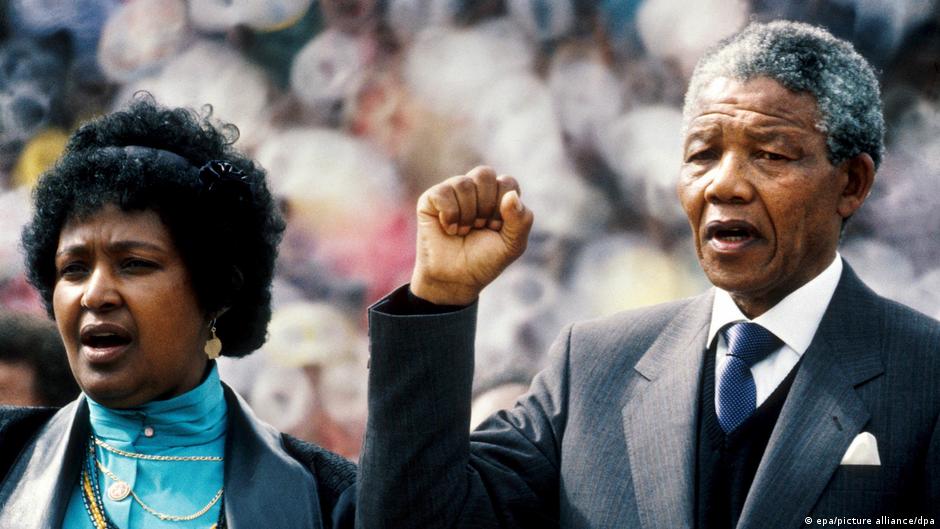
On Mandela Day, 17 July 2026, observers across South Africa have intensified scrutiny over whether the nation has realised the vision of its first democratically elected president. Three decades after the end of apartheid, critics cite persistent inequality, xenophobia, and anti-migrant violence as evidence that the country has failed to dismantle the structural disparities of the past. Social workers and activists attribute this unrest to high unemployment, service delivery failures, and an economic framework that continues to mirror apartheid-era inequities.
Mpho Tsotetsi, a social worker in a township near Johannesburg, described a climate of hopelessness among young people facing limited opportunities. She noted that frustrations are frequently directed at foreigners, who are perceived as competitors for scarce jobs. While Tsotetsi affirmed that Mandela’s dream of reconciliation and African solidarity remains relevant, she acknowledged that the current reality, marked by vigilante groups such as "March and March" and "Operation Dudula," has severely tested that legacy. Many migrants have fled the country recently due to fear of violence and intimidation.
Verne Harris of the Mandela Foundation argued that while public frustration over unemployment and service delivery is legitimate, the recent demonstrations are also politically motivated. With local elections scheduled for November, opposition parties have an incentive to stoke anti-government sentiment. Harris described Mandela’s legacy as a dynamic public resource that can be mobilised for either good or evil, noting that the former president had explicitly condemned Afrophobia and xenophobia in the early years of democracy.
The debate extends to the economic structure of the post-apartheid state. Mametlwe Seipei of Kopanang Africa Against Xenophobia argued that the African National Congress’s commitment to capitalism upon taking office has perpetuated an economy dominated by foreign mineral monopolies and cheap labour. Seipei criticised the rise of black capitalism for maintaining the economic architecture of the former apartheid state without advancing society, while sociologist Tessa Dooms described a "special form of apartheid" where wealth accumulates within a political and economic elite, leaving the majority of poor, Black citizens behind.
Despite these challenges, some observers point to the resilience of democratic institutions. Accountant Obakang Arie highlighted that South Africa continues to uphold democracy and strong human rights protections, even as its economic growth rate remains below inflation, limiting development. Arie suggested that the current protests highlight the gap between Mandela’s vision and the realities of the post-apartheid era, leaving the next generation to decide whether to allow fear and division to shape the country or to pursue compassion and accountability.