Pakistan’s mediation dilemma: Balancing US and Iranian interests amid regional war
A recent report alleging Pakistani airbase support for Iranian aircraft has intensified pressure on Islamabad to maintain neutrality while hosting backchannel diplomacy.
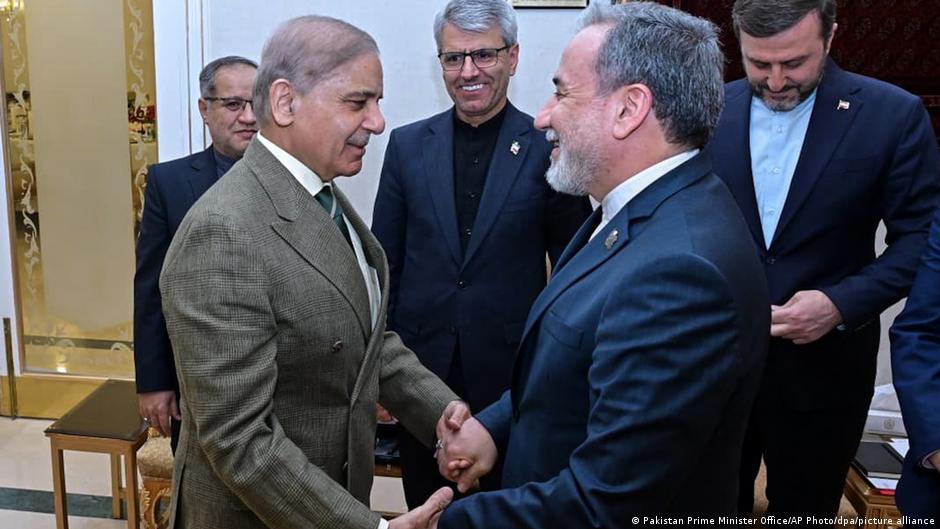
Pakistan is under intense international scrutiny for its role as a mediator in the ongoing conflict between the United States and Iran, with Islamabad hosting talks and facilitating backchannel diplomacy to prevent regional destabilisation. For the Pakistani government, stability in the Gulf is inextricably linked to its own economic and security interests, as a broader confrontation could disrupt trade routes, deepen energy pressures, and inflame sectarian tensions along its sensitive border regions.
The diplomatic stakes were heightened earlier this week when US media outlet CBS News, citing unnamed US officials, reported that Pakistan had allowed Iranian aircraft to park on its airbases, effectively shielding them from US strikes. The Pakistani Foreign Office immediately dismissed the report as "misleading" and "speculative," clarifying that aircraft activity was related to diplomatic and logistical arrangements for peace efforts involving personnel from multiple sides. Islamabad warned that unverified and sensationalised reporting risked undermining sensitive diplomatic initiatives.
The allegations have drawn sharp criticism from within the United States. US Senator Lindsey Graham, a staunch supporter of the US military stance in Iran, publicly criticised Pakistan’s neutrality, reflecting broader concerns among American policymakers that Islamabad is appearing too accommodating toward Tehran while seeking to preserve strategic ties with Washington. This scrutiny adds to the reputational risks facing Pakistan, which is already navigating a complex geopolitical landscape.
Conversely, China has encouraged Pakistan to expand its mediation efforts. According to the AFP news agency, Chinese Foreign Minister Wang Yi urged Islamabad to step up its diplomatic role to help stabilise the region, particularly regarding the Strait of Hormuz. This divergent pressure from Washington and Beijing underscores the difficulty Pakistan faces in balancing relations with major powers and Gulf allies without triggering suspicion from any side.
Despite a high-level summit held in Islamabad last month, subsequent efforts to establish direct talks between Washington and Tehran have stalled. Analysts suggest Pakistan's influence is limited to maintaining communication channels, as it cannot force two deeply distrustful parties to negotiate. Experts note that the outcome of talks depended on the willingness of President Donald Trump and Iranian leadership to engage, and that core disputes over sanctions, regional security, and nuclear issues remain beyond Pakistan's influence.
As tensions rise, Pakistan’s realistic role appears confined to facilitating dialogue and supporting de-escalation rather than brokering major diplomatic breakthroughs. With critics in Washington questioning Pakistan’s softness toward Tehran and Iranian officials remaining cautious due to Pakistan’s longstanding ties with the US and Saudi Arabia, Islamabad must carefully preserve its credibility as a neutral mediator to avoid further diplomatic isolation.