Knesset session addresses surge in anti-Christian violence following Jerusalem assault
Critics argue government tolerance of ultra-Orthodox aggression has emboldened attackers, while Christian leaders report increased fear and hidden religious symbols.
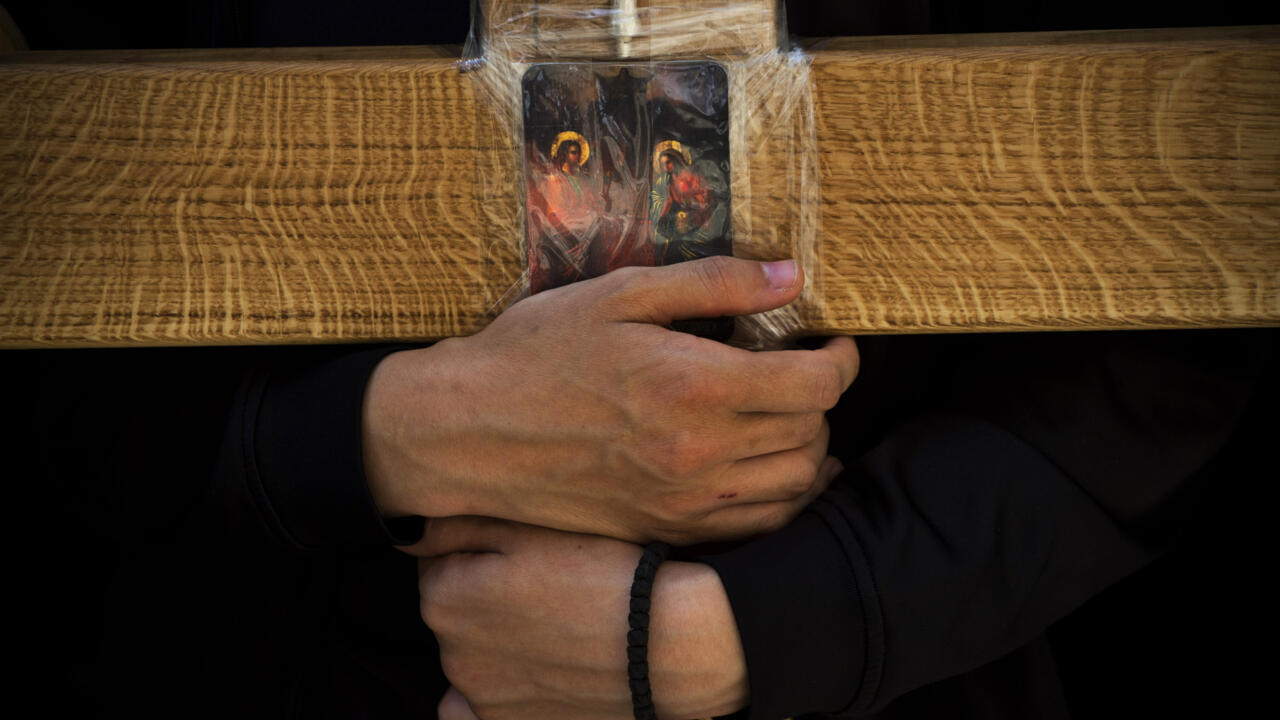
A violent assault on a French Dominican nun in East Jerusalem on April 28 has intensified scrutiny of anti-Christian aggression in Israel, prompting a special Knesset committee session and widespread condemnation from religious leaders. CCTV footage captured an Orthodox man shoving the victim to the ground and kicking her before bystanders intervened, marking what activists describe as the most extreme physical escalation in recent years.
The incident has drawn attention to data from the Religious Freedom Data Center (RFDC), an Israeli NGO that documents such events. The organisation recorded 181 anti-Christian incidents in 2025, a significant rise from 107 in 2024. Yisca Harani, head of the RFDC, noted that while the majority of the population remains unaffected, perpetrators are primarily drawn from ultra-Orthodox, Shas-style Sephardi, and nationalist religious communities. She reported that harassment frequently involves spitting, vandalism, and graffiti, with victims often underreporting minor offences due to a reluctance to make a fuss.
Prime Minister Benjamin Netanyahu condemned the attack during the parliamentary session, yet critics argue the government has tacitly tolerated such behaviour. Harani described the administration’s response as showing absolute disregard for radical sector conduct, which she argued provides passive encouragement to attackers. Father David Neuhaus SJ, a Jesuit superior in Jerusalem, echoed this sentiment, stating that ignoring lower-level incidents like spitting sends a message that violence is acceptable.
The rise in intolerance is widely attributed to structural and societal shifts, including the 2018 Nation-State Law, which defined Israel as the national home of the Jewish people. Critics contend this legislation fostered a climate of religious nationalism that marginalises minorities. This sentiment has been exacerbated by the October 7, 2023 terror attacks and the subsequent war, which have contributed to a militarised societal atmosphere and increased settler violence in the West Bank.
Christian communities, numbering approximately 185,000 or 1.9 per cent of the population, are now adjusting their behaviour to mitigate risk. Many have begun hiding crosses or avoiding wearing religious habits in public. Father Neuhaus observed that the community now feels a heightened need to assess safety before leaving their homes, with some residents thinking twice about going out unless absolutely necessary.