Pakistan weighs defensive support for Saudi Arabia amid Red Sea tensions
Experts suggest Pakistan will limit assistance to intelligence sharing and maritime surveillance rather than deploying troops, seeking to avoid rupturing ties with Tehran.
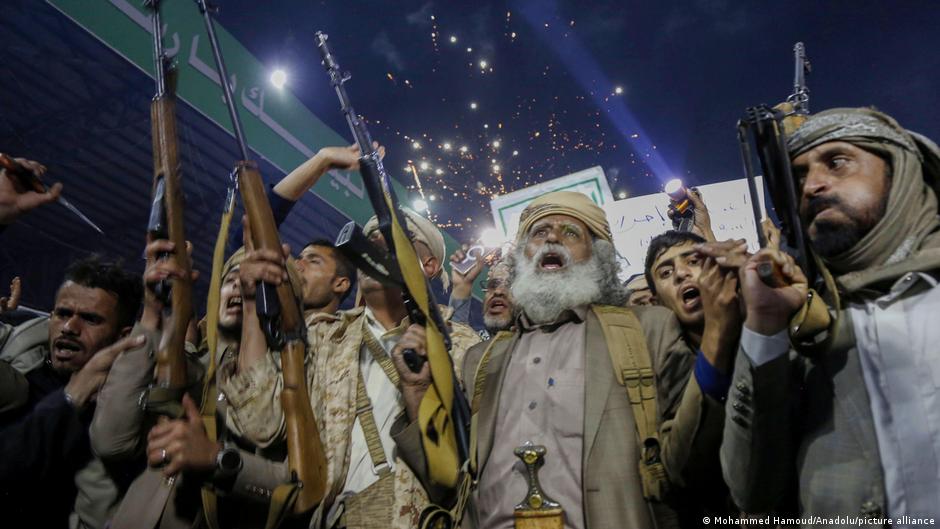
Pakistan has condemned recent Houthi attacks on Saudi oil tankers in the Red Sea, warning that any threat to its maritime interests could be met with the "lawful use of force." The statement from the Foreign Ministry follows a mutual defence agreement signed between Islamabad and Riyadh last September, which includes a collective security clause. This pact stipulates that an attack on one country is considered an attack on both, prompting Pakistan to express its "unwavering commitment" to the security arrangement after missiles struck southern Saudi Arabia last week.
Despite the formal obligations under the defence treaty, analysts indicate that Pakistan is unlikely to provide troops or arms to the Kingdom. Instead, any military assistance would likely be restricted to defensive engagement, such as intelligence sharing, air-defence cooperation, maritime surveillance, and the protection of critical infrastructure. This cautious approach aims to balance Pakistan’s strategic defence partnership with Saudi Arabia against its improving diplomatic relations with Iran, where it currently acts as a key mediator in the broader US-Iran conflict.
The geopolitical landscape for Islamabad is complex. Pakistan and Iran have rebuilt diplomatic relations and strengthened border cooperation after exchanging cross-border missile strikes in 2024. While Pakistan has warned Tehran that it would support Saudi Arabia in the event of a conflict, experts note that expanding arms support to Riyadh could deepen suspicions in Tehran and undermine Pakistan’s role as a neutral mediator. Ayesha Siddiqa of King’s College London noted that while limited support might not rupture ties, significant military involvement could prove politically damaging.
Michael Kugelman of the Atlantic Council observed that Saudi Arabia may increasingly look to Islamabad for assistance if it feels under growing security pressure. However, he argued that staying neutral is becoming increasingly difficult as pressure from both Riyadh and Tehran mounts. Kugelman suggested that if the current pause between the US and Iran holds, Riyadh is likely to wait out the attacks rather than escalate, though it will continue to view Pakistan as a key security partner given the persistent threat from the Houthi militia.
Saudi Arabia has exercised considerable restraint since winding down its large-scale military campaign in Yemen, but repeated attacks on commercial shipping may eventually force a more aggressive response. Farea Al-Muslimi of Chatham House suggested that continued attacks could prompt Riyadh to abandon its restraint, though he noted that bombardment alone is unlikely to achieve long-term security objectives. Analysts agree that Islamabad will likely back maritime security and freedom of navigation while avoiding direct strikes on Houthi targets, prioritising the prevention of regional escalation.