Pakistan emerges as critical security mediator in Gulf amid US-Iran tensions
Strategic Mutual Defence Agreement signed in September 2025 sees Pakistani jets deployed to Saudi Arabia as regional powers diverge on approach to Tehran
Pakistan has positioned itself as a pivotal diplomatic and security broker in the Gulf, successfully facilitating the release of 22 Iranian sailors seized by the United States and mediating communications between Washington and Tehran. This elevated profile is underpinned by a Strategic Mutual Defence Agreement signed with Saudi Arabia in September 2025, which authorised the deployment of Pakistani military aircraft to Saudi soil.
Following the US launch of "Project Freedom" to guide ships through the Strait of Hormuz, Pakistani Foreign Minister Mohammad Ishaq Dar engaged in direct diplomatic contact with his Iranian counterpart in Tehran. In a subsequent development, the Pakistani foreign ministry announced it had facilitated the transfer of the 22 detained Iranian sailors aboard the container ship *Tosca* to Iran via the Rimdan border terminal. Fifteen of these sailors have since crossed into Iran through the Sistan and Baluchestan province.
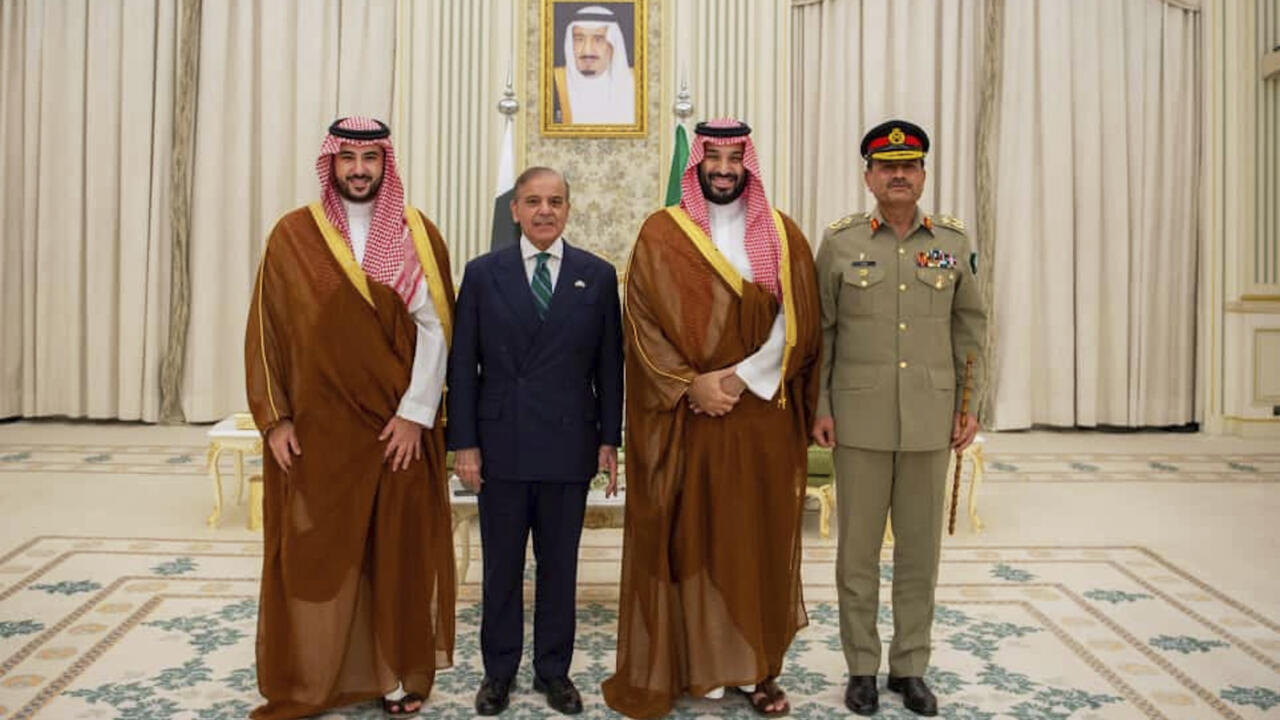
The deployment of Pakistani military aircraft, including fighter and support jets, landed at Saudi Arabia's King Abdulaziz Air Base under the terms of the 2025 mutual defence pact. The signing ceremony came months after Saudi Crown Prince Mohammed bin Salman and Pakistani Prime Minister Shehbaz Sharif signed the agreement in Riyadh, underscoring Riyadh's concerns over Washington's commitment to Gulf defence and increasing Pakistan's relevance as a Sunni Muslim military power with ties to Shiite Iran.
However, Pakistan's neutral stance has created friction with the United Arab Emirates, which demands the immediate repayment of a $3.5 billion loan and advocates for a more aggressive posture against Iran compared to its GCC neighbours. The UAE has withdrawn from OPEC+ and views the conflict as a zero-sum means to permanently weaken Tehran, highlighting a rift within the Gulf Co-operation Council driven by differing security approaches.
Analysts observe that while Pakistan's international standing has improved, the tangible benefits of this role appear to accrue primarily to the military leadership rather than alleviating the nation's domestic economic struggles. Critics note that the high-wire diplomatic act fails to address the country's deep economic problems, with benefits largely felt by the generals and top government officials rather than the wider national security framework.
The situation underscores the complex web of alliances in the region, where Islamabad balances ties with Washington, Tehran, and Beijing while navigating the demands of Gulf states. As the Iran war drags on, Pakistan's ability to secure an albeit tenuous ceasefire has earned it respect in policy circles, even as the US and Iran compete to block the vital Strait of Hormuz.