Pakistan Army Chief Meets Iranian Officials Amid Ceasefire Diplomacy
Diplomatic signals from Tehran remain ambiguous following the departure of Pakistan’s military leadership, with no clear consensus on the substance of the discussions or specific commitments reached.
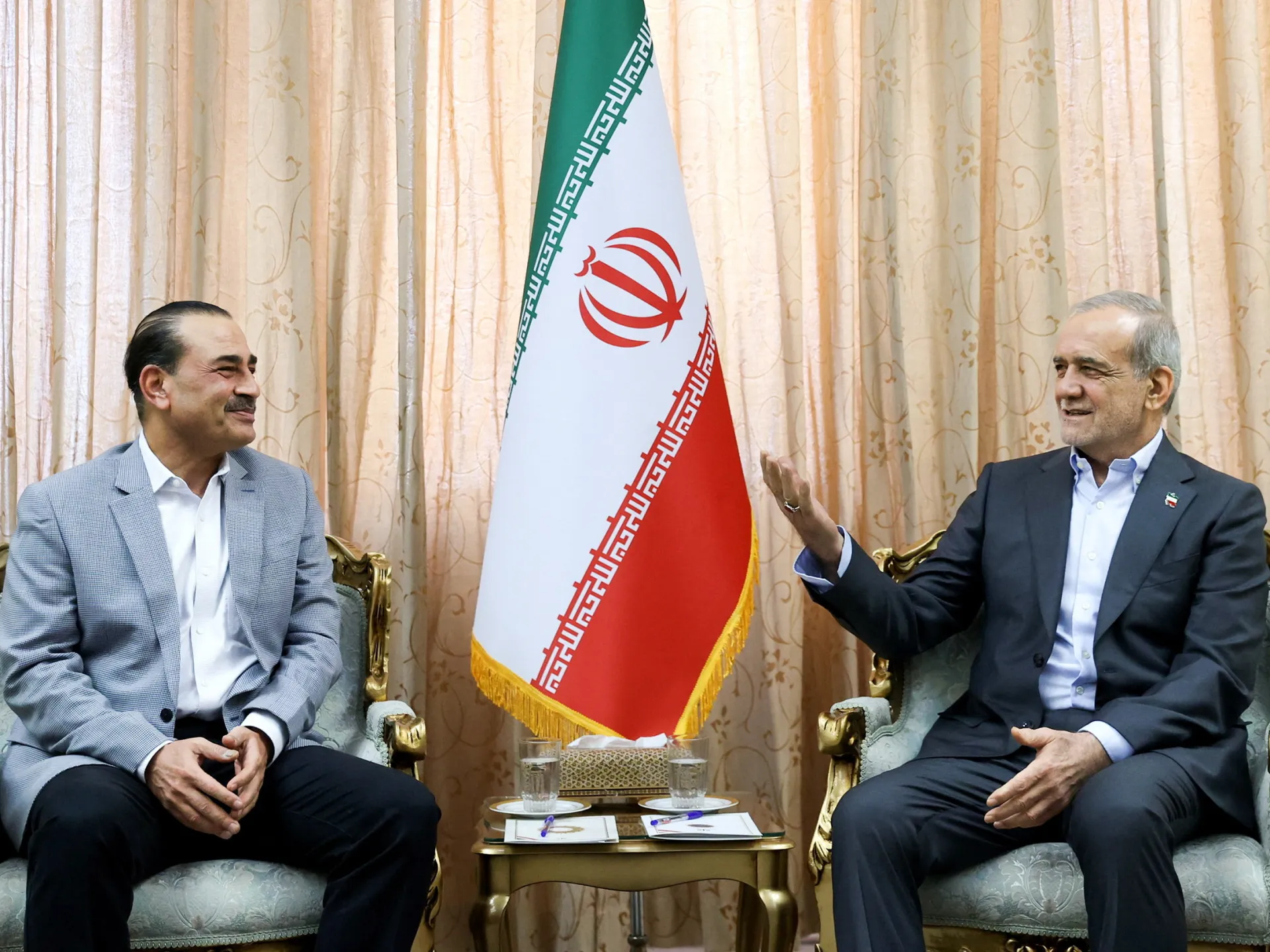
Pakistan’s Army Chief, Field Marshal Asim Munir, conducted a diplomatic visit to Tehran on Saturday, holding meetings with senior Iranian officials. The engagement takes place against the backdrop of intensified regional hostilities, with Al Jazeera reporting that the primary objective of the visit is to support efforts to end the war between the US, Israel, and Iran.
The visit is part of a broader diplomatic initiative involving both Islamabad and Doha. According to the source material, these two capitals are working to finalise a memorandum designed to bring an end to the ongoing conflict. The involvement of Pakistan’s military leadership underscores the central role defence officials are playing in facilitating dialogue between the two states during this period of heightened tension.
Following the diplomatic engagements, Field Marshal Munir reportedly departed Tehran. The conclusion of the visit has been accompanied by mixed messaging from Iranian authorities regarding the outcomes of the discussions. Sources indicate that there is no clear consensus on the progress made or the specific commitments reached during the talks, highlighting the tentative nature of the current diplomatic channel.
The ambiguity surrounding the substance of the memorandum and the extent of Pakistan’s direct mediation role remains a key feature of the situation. While the visit was framed as a push to end the war, the lack of clarity from Tehran suggests that the negotiations are still in a fragile stage, with official outcomes yet to be confirmed.
Regional tensions continue to escalate beyond the immediate Pakistan-Iran axis. In a separate development reflecting the broader geopolitical instability, Cuban President Miguel Diaz-Canel has warned of severe consequences, including a potential "bloodbath," should the US expand its military operations in the region. This warning comes as Washington imposes new sanctions on Cuba’s intelligence agencies and senior officials, further complicating the international landscape.