Pakistan activates six overland transit routes to Iran as Hormuz blockade disrupts maritime trade
Following the US blockade of Iranian ports, Islamabad formalises a road corridor to move stranded cargo, marking a strategic pivot away from Afghanistan while maintaining a ban on Indian-origin goods.
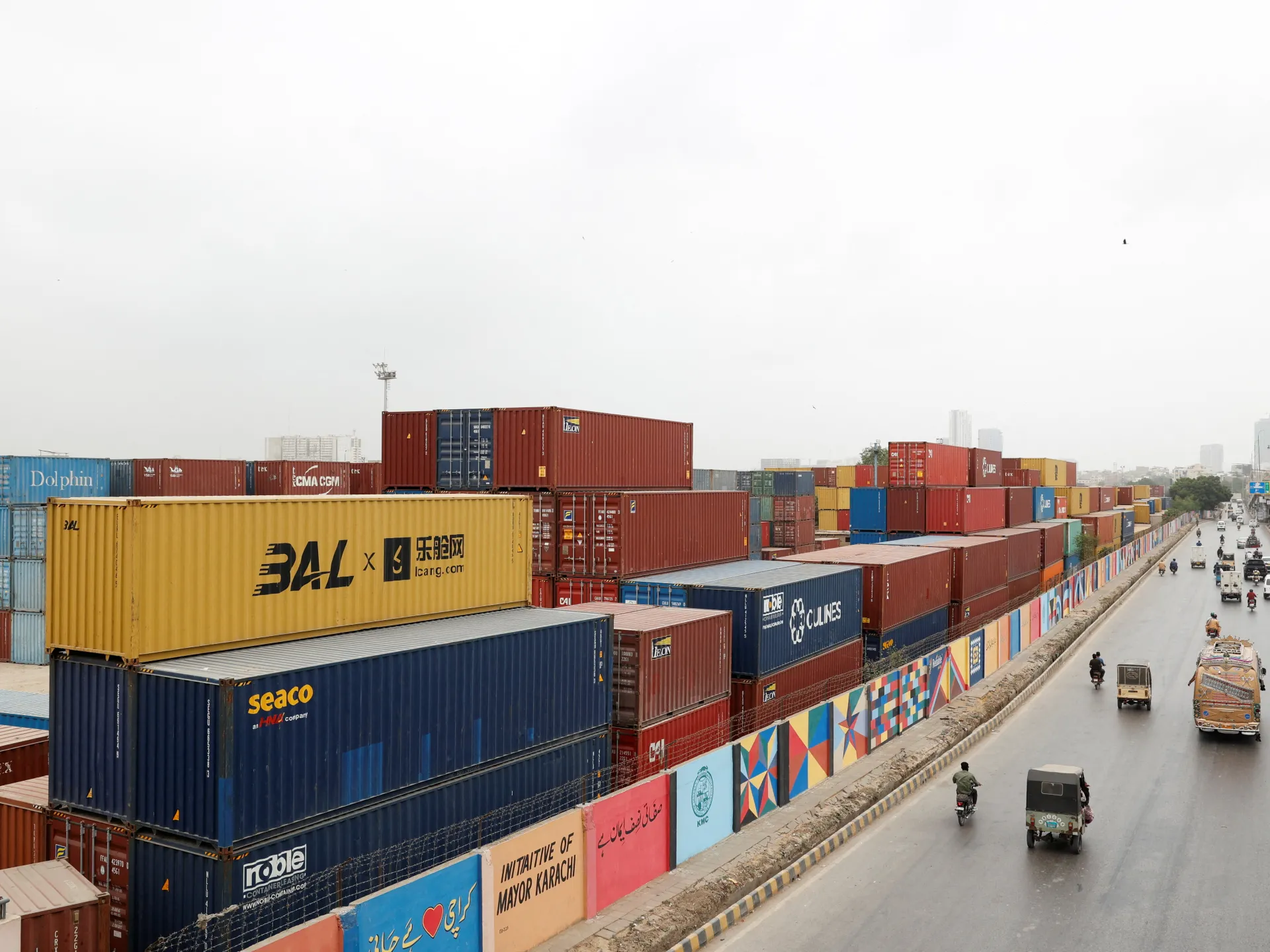
Pakistan has formally activated six overland road transit routes connecting its ports of Karachi, Port Qasim and Gwadar to Iranian border crossings at Gabd and Taftan. The measure, enacted via the Transit of Goods through Territory of Pakistan Order 2026 on 25 April 2026, allows goods from third countries to bypass the Strait of Hormuz blockade and reach Iran by road. This initiative was announced during high-level talks between Iranian Foreign Minister Abbas Araghchi and Pakistani Prime Minister Shehbaz Sharif, aiming to alleviate the backlog of over 3,000 containers stranded at Karachi port due to US naval restrictions.
The new routes offer significant reductions in travel time and transport costs compared to maritime options, with the Gwadar-Gabd corridor reducing travel time to the Iranian border to between two and three hours. This is a marked improvement on the 16 to 18 hours required from Karachi port, and officials estimate the route could cut transport costs by 45 to 55 per cent. The initiative represents a direct economic response to the impasse created by the US naval blockade imposed on 28 February 2026, which has rendered maritime shipping economically unviable due to war-risk insurance premiums surging from 0.12 per cent to approximately 5 per cent.
However, the notification does not extend to Indian-origin goods. A separate Commerce Ministry order issued in May 2025, following the India-Pakistan aerial war that month, bans the transit of goods from India through Pakistan by any mode and remains in force. Consequently, the new corridor specifically excludes goods originating from India, maintaining the ban established previously. While the new routes offer significant reductions in travel time and transport costs compared to maritime options, they do not apply to goods originating from India.
Analysts suggest this move represents a strategic pivot away from Afghanistan, whose commercial crossings have become unreliable due to ongoing border tensions since October 2025. Relations between Pakistan and Afghanistan have deteriorated sharply, with clashes occurring in October 2025 and again in February and March 2026, rendering Afghan transit routes insecure. The Torkham and Chaman crossings have ceased to function as reliable commercial routes since tensions escalated, limiting Pakistan's overland access to Central Asian markets.
The current US-Iran conflict began on 28 February 2026 with joint US-Israeli attacks on Iran, leading to a US naval blockade of Iranian ports and restricted navigation through the Strait of Hormuz. Pakistan brokered a ceasefire on 8 April 2026 and hosted direct talks on 11 April, which ended without an agreement. The transit order appears to be a direct economic response to that impasse, as a second round of talks has since stalled and Washington has imposed a naval blockade on Iranian ports, throttling Tehran's maritime access.
While the corridor signals a shift away from Afghanistan, security concerns on the Afghan border remain a critical variable. Experts note that while the impact on Kabul's transit relevance and revenue is strategic, the opportunity comes with risk, as a cornered Afghanistan could become destabilised. Pakistan is positioned well to bypass Afghanistan entirely for westbound trade, but it is not yet positioned safely, with security on the northwestern and southwestern borders remaining the variable that could unravel the new arrangement.