Owlcat Games Defends Narrative Choice Mechanics in Upcoming 'The Expanse' Title
With a spring 2027 release window, Owlcat Games outlines how its Etudes system aims to balance player agency with established canon, distancing itself from the controversial conclusions of the Mass Effect series.
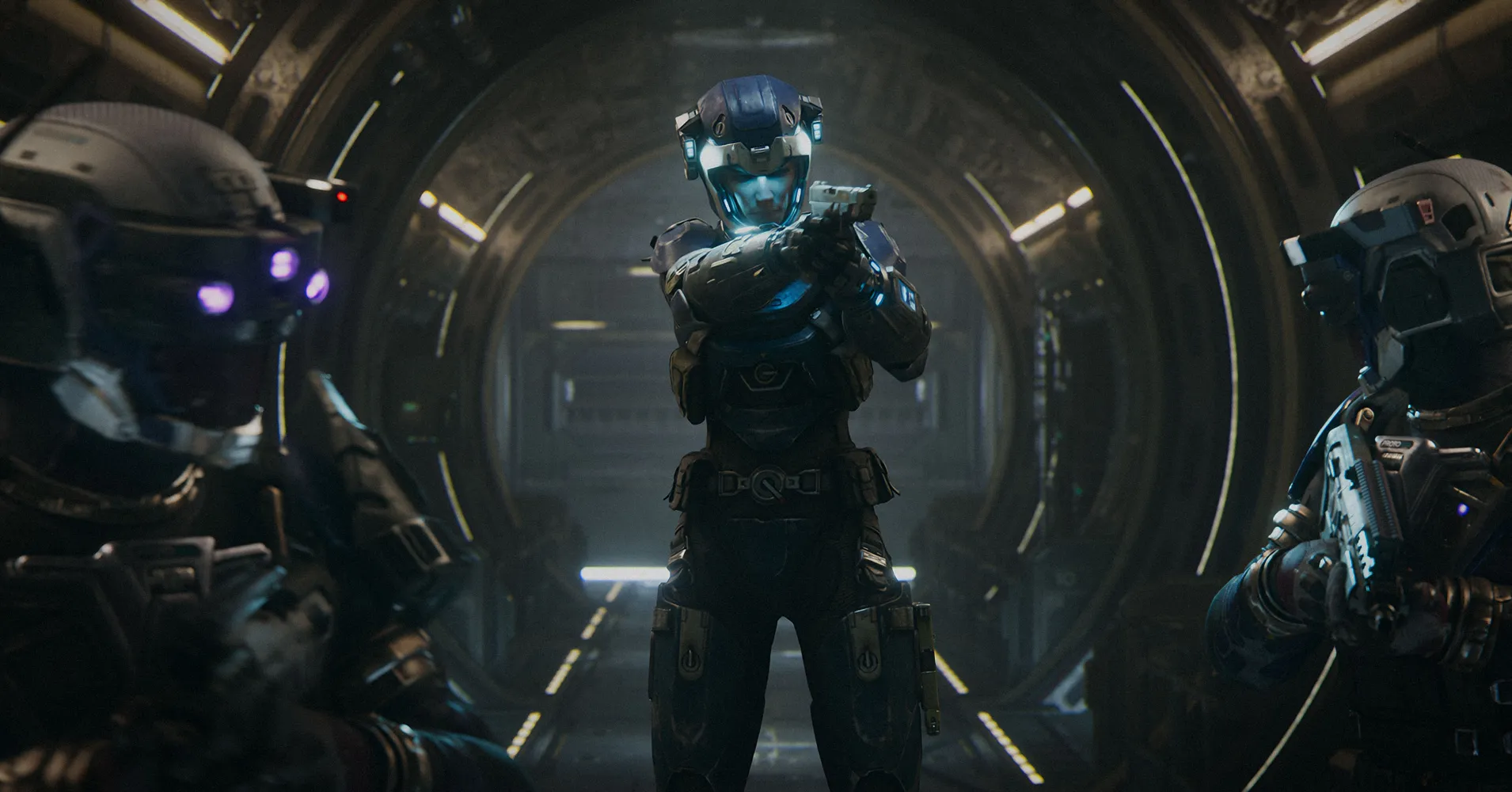
Owlcat Games has responded to player feedback regarding the narrative choice system in its upcoming title, The Expanse: Osiris Reborn, following criticism from an April beta test. The Cyprus-based developer, known for dense role-playing titles such as Pathfinder: Kingmaker and Warhammer 40,000: Rogue Trader, is preparing for the game’s scheduled release in spring 2027. The studio has confirmed it is addressing issues raised by beta players, including plans to recast a voice actor and improve the integration of Belter creole, a language construct central to the source material.
The game, which marks Owlcat’s first foray into the third-person shooter genre, places players in the role of a spaceship captain navigating the hard-science universe of The Expanse. Design director Leonid Rastorguev stated that the narrative will utilise an internal development system called Etudes to track player decisions. This system employs flags and triggers to carry even minor choices forward, influencing character fates, unlocking or blocking content, and potentially altering the game’s ending.
Rastorguev emphasised that the choice system is designed to reflect the series’ core theme that the consequences of actions may not be immediately apparent. While beta reviewers noted that some decisions appeared to have negligible immediate effects, Owlcat argues that the true impact of player choices ripples through the narrative over time. These consequences may manifest later through in-game news reports, dialogue references, or environmental changes, rather than through instant, dramatic shifts.
The developer faces the challenge of balancing player agency with the established canon of the nine-book series and its television adaptation. Rastorguev noted that rewriting the fates of major characters whose stories are already fixed would feel incongruous with the source material. Consequently, the game features three competing factions—Earth, Mars, and the Belters—with complex relationship mechanics where maintaining positive relations with all groups is difficult, forcing players to make difficult strategic decisions.
This approach is partly aimed at avoiding the criticism directed at the Mass Effect series for limiting long-term player choices in its conclusion. While the game will feature multiple endings, Owlcat has not disclosed the exact number or the degree of difference between them. Rastorguev insisted that the studio has considered how to make choices feel meaningful on a larger scale, potentially shaping consequences that extend years beyond the immediate events of the story.