Oura hit with class action over sleep-tracking accuracy claims
A proposed lawsuit in San Francisco alleges the smart ring maker misled consumers by claiming its devices could detect sleep stages without clinical sensors.
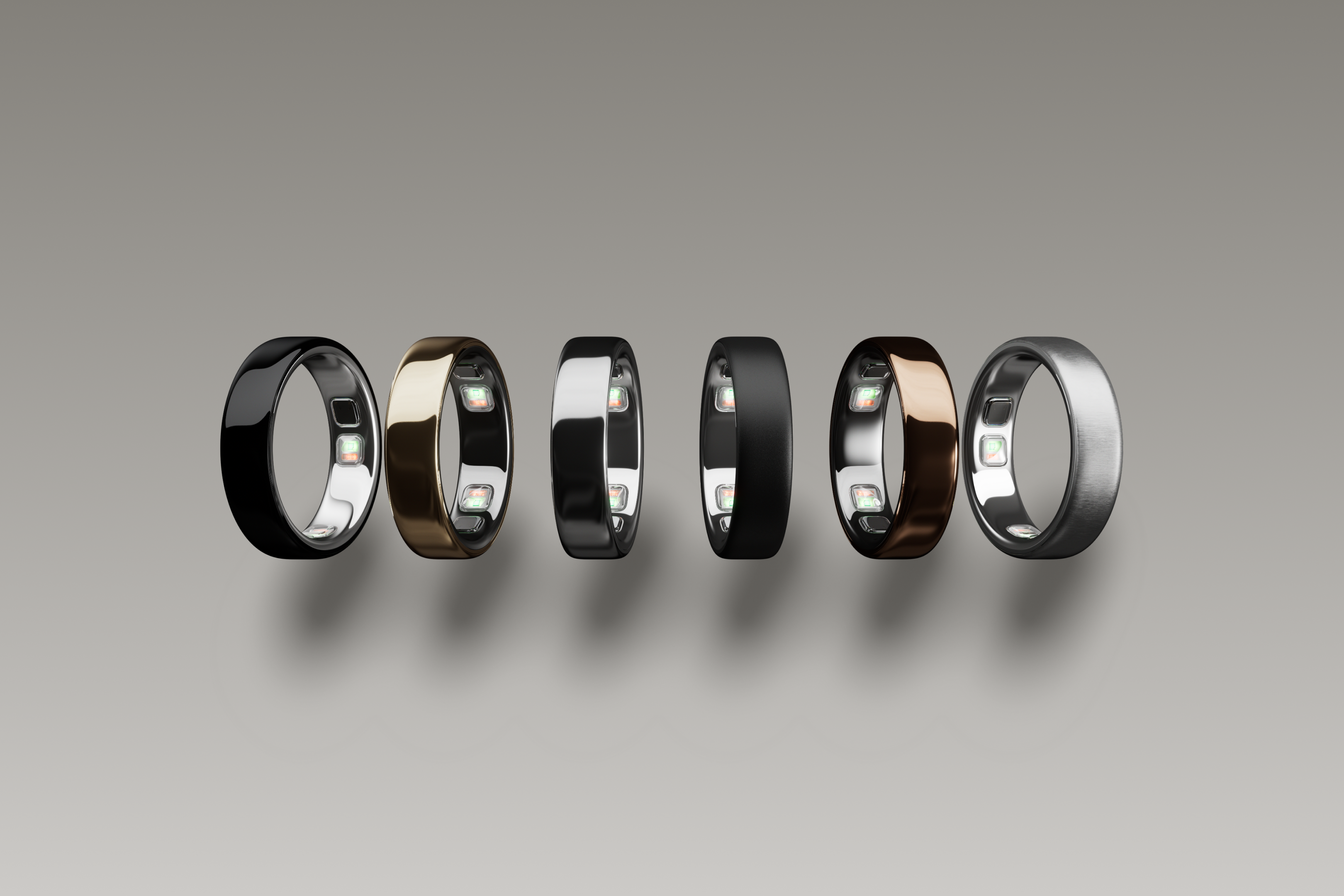
Smart ring maker Oura is facing a proposed class action lawsuit in San Francisco, with plaintiffs accusing the company of misleading consumers regarding the precision of its sleep-tracking capabilities. The complaint, filed on Thursday by Clarkson Law Firm, argues that the devices fail to measure the physiological signals necessary to assess sleep quality or determine specific sleep stages.
According to the filing, Oura rings rely on artificial intelligence-generated estimates rather than direct physiological data. The complaint describes these estimates as having “a coin flip’s chance of being correct,” a characterisation that highlights the legal risk associated with marketing AI-driven health metrics as clinical-grade data.
The lawsuit contends that Oura marketed its rings, priced at $300 and up, as capable of detecting the four stages of sleep with high accuracy. The plaintiffs argue that such precision typically requires electrodes in the scalp and sensors on the eyes, instruments found in hospital or clinical settings. The complaint notes that “sleep happens in the brain, not on one’s finger,” challenging the fundamental premise of the wearable’s design.
Despite these allegations, the complaint states that Oura advertised its products as “built for accuracy” and offering “unparalleled accuracy.” The suit claims the company told customers its smart rings could achieve 79% accuracy in measurements, with more recent assertions of 95% sleep-staging accuracy when compared with clinical sleep labs.
Ryan Clarkson, co-founder and managing partner at Clarkson Law Firm, stated that users often structure their days and change behaviour based on these figures. “When people rely on a device to guide decisions about their health, misinformation cannot be tolerated,” Clarkson said in an emailed press release. He argued that marketing an inaccurate tracker as precise is dangerous because consumers believe the data and adjust their lives accordingly.
The legal challenge follows years of online frustration from users who reported discrepancies between their perceived sleep quality and the device’s data. Some users claimed they felt they had slept poorly but were told their sleep had been optimal, while others expressed doubts about the device’s ability to monitor sleep cycles.
The complaint seeks injunctive relief to prevent further misrepresentation and restitution for consumers who purchased the rings based on the allegedly false claims. Oura did not immediately respond to a request for comment.