Orban vows resistance as Magyar government consolidates power in Hungary
Viktor Orban has pledged "resistance" to the Peter Magyar-led government, claiming political tyranny after prosecutors seized equipment from the Fidesz party headquarters in Budapest.
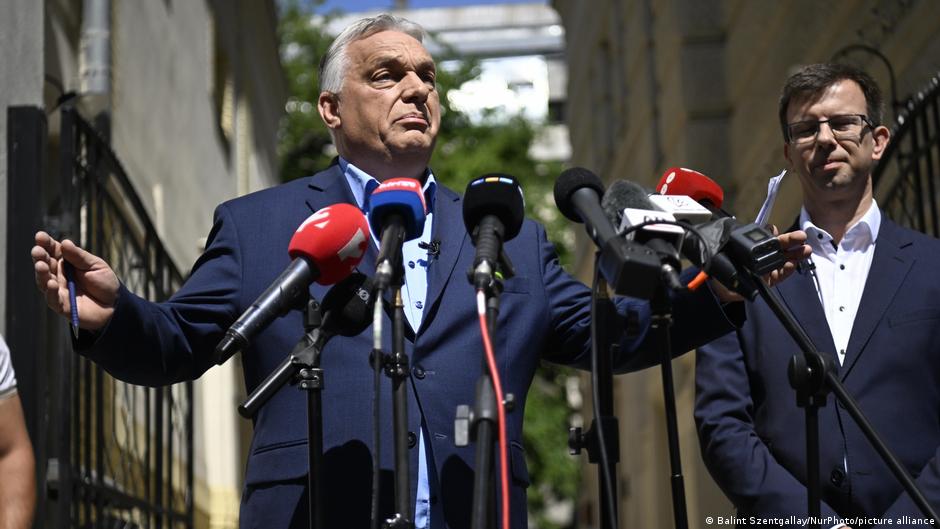
Hungary’s former prime minister, Viktor Orban, has declared a state of resistance against the new government led by Peter Magyar, accusing the administration of dismantling the rule of law and eliminating checks and balances. The statement follows a corruption probe that resulted in the seizure of computer servers and other equipment from the headquarters of Orban’s Fidesz party in Budapest. Orban described the actions as politically motivated tyranny, asserting that Hungary has ceased to be a democratic state.
Magyar’s Tisza party, which won the April general elections, has implemented sweeping reforms since taking office in May. These include constitutional amendments that removed Orban allies from key positions, such as the presidency and the Constitutional Court, and introduced term limits for lawmakers. Orban argued that these measures, combined with the search of the party headquarters, were designed to render Fidesz legally unviable and exclude veteran politicians from future elections.
The corruption investigation into the National Culture Fund, which authorities allege served as a shadow election campaign fund for the previous administration, was cited by Orban as a pretext for the raid. During a press conference outside the Fidesz base on Wednesday, Orban claimed the search was a politically motivated legal proceeding intended to cripple his party following its electoral defeat. He insisted that Hungary had reverted to a system lacking democracy, drawing comparisons to the late 1980s.
In response to the political shift, Magyar’s government has moved to realign foreign policy by mending ties with the European Union and freeing up assistance for Ukraine. Domestically, the administration has taken steps to address alleged systemic corruption, including removing political appointees and reforming the national public broadcaster M1. Prosecutor General Gabor Balint Nagy agreed to step down after Magyar labelled him Orban’s puppet, while several senior Fidesz figures have stepped back from public life.
Recent polling indicates a significant decline in support for the former ruling party. A survey by Median showed Tisza with 60 per cent support compared to Fidesz’s 18 per cent. Despite the electoral loss, Orban remains the opposition leader and has vowed to employ all peaceful means to oppose what he describes as an illegitimate political system. The new government holds a parliamentary supermajority, allowing it to pass constitutional changes with ease.