OpenAI weighs legal action against Apple over ChatGPT integration flaws
Discontent with product design and promotion fuels tensions between the tech giants, while a separate antitrust lawsuit from Elon Musk seeks internal documents regarding the deal.
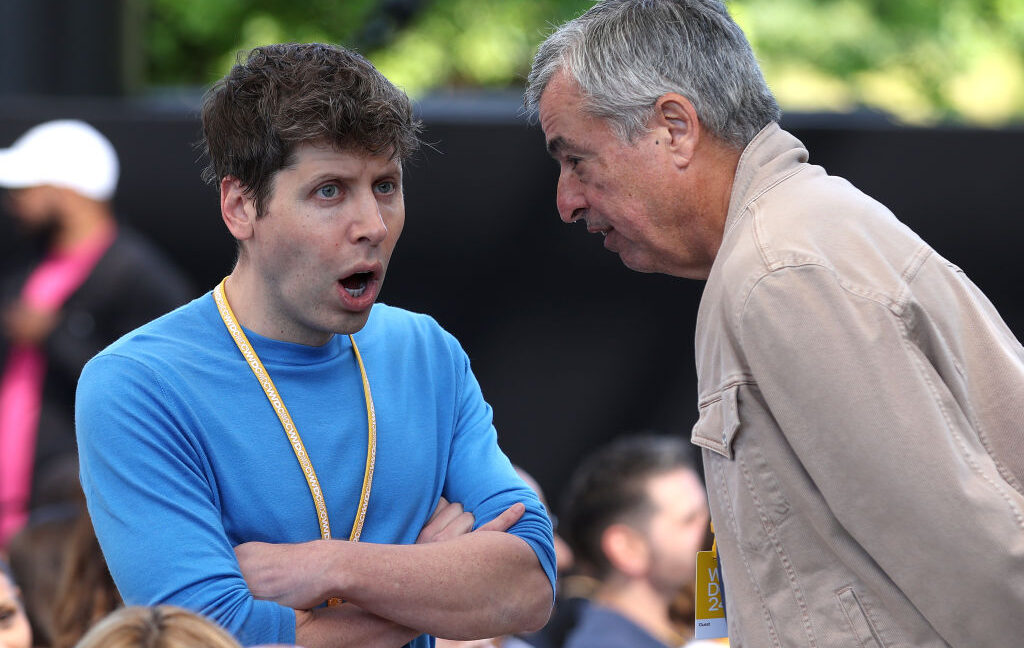
OpenAI is exploring legal options against Apple following significant dissatisfaction with the integration of ChatGPT into the company’s products, citing poor design and a lack of promotional effort. Insiders describe the partnership as strained, with the AI firm feeling it was misled about the scope of Apple’s commitment. The dispute unfolds alongside a separate antitrust lawsuit filed by Elon Musk, who alleges the collaboration was a conspiracy to stifle competition, while a judge has ordered Apple to release internal documents regarding the agreement.
The core of OpenAI’s grievance centres on the execution of the integration, which the firm believes damaged the ChatGPT brand. Specific complaints include the requirement for users to explicitly invoke the word “ChatGPT” when using Siri, a friction point that reportedly reduces accessibility. Additionally, the use of small, easily ignored windows for responses has drawn criticism. OpenAI executives have expressed regret over the “leap of faith” taken when the deal was announced, noting that renegotiation efforts have stalled and the firm has since declined further partnerships to develop Apple’s AI models.
Consequently, OpenAI is reportedly working with an outside legal firm to evaluate potential formal actions, including breach of contract claims. While the firm hopes to resolve the matter outside of court, sources suggest it may delay approaching Apple until after the conclusion of its court battle with Musk. The AI firm maintains that the original deal was never intended to be exclusive, pointing to Apple’s testing of Siri integrations with Anthropic’s Claude and Google Gemini as evidence of a non-exclusive arrangement.
The legal landscape is complicated by Musk’s antitrust lawsuit, which alleges the Apple-OpenAI partnership was designed to prop up OpenAI and dominate the chatbot market while locking out rivals such as Musk’s Grok. Musk has argued that Apple feared OpenAI’s potential to make smartphones obsolete, particularly as OpenAI develops its own hardware device. Both Apple and OpenAI have urged the court to dismiss Musk’s claims, arguing that he cannot demonstrate harm as none of his firms manufacture smartphones.
Magistrate Judge Hal Ray Jr. has recently ordered Apple to provide documents from Senior Vice President of Software Engineering Craig Federighi by mid-June. The judge denied Musk’s request to view internal messages from CEO Tim Cook but noted that Federighi made high-level strategic decisions regarding the agreement. Apple is expected to unveil a revamped Siri in June, which may better promote ChatGPT and potentially alleviate some of OpenAI’s concerns before the trial scheduled for October.
