OpenAI files confidential IPO paperwork, clearing legal hurdles for trillion-dollar debut
The chatbot maker has submitted Form S-1 to the US Securities and Exchange Commission, citing operational preferences for remaining private longer, while analysts point to the recent dismissal of Elon Musk’s lawsuit as a critical step toward a potential September listing.
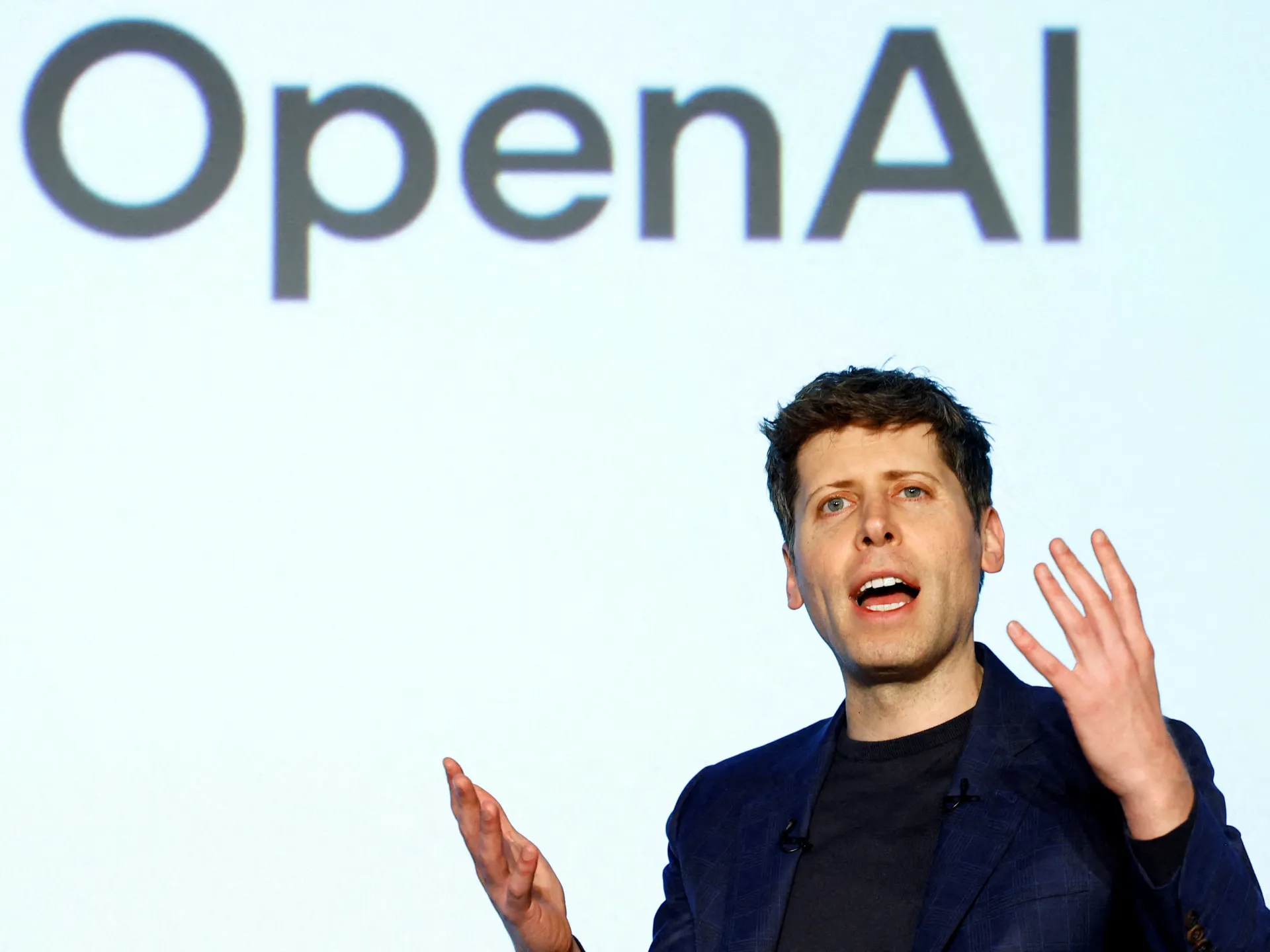
OpenAI has confidentially filed for an initial public offering in the United States, formally signalling its intention to transition from a private entity to a publicly traded company. The filing of Form S-1 with the US Securities and Exchange Commission places the artificial intelligence pioneer alongside rival Anthropic and Elon Musk’s SpaceX in a concentrated push for stock market exposure amid the ongoing technology boom.
The company did not disclose the size or specific terms of the offering, nor did it provide a definitive timeline for a market debut. In a statement released on Monday, OpenAI explained that the process may take time, noting that certain strategic actions are easier to undertake while the firm remains private. However, previous reports from Reuters indicated the company is targeting a valuation of up to US$1 trillion, with a potential listing as early as September.
This regulatory move follows a significant legal development in May, when a US jury ruled against Elon Musk in his lawsuit against OpenAI. The verdict found the company not liable for allegedly straying from its original mission to benefit humanity, a claim Musk had used to challenge the organisation’s shift toward a for-profit structure. Analysts have identified this unanimous decision as a crucial removal of a legal overhang, clearing a major hurdle that public market investors often view with caution.
The filing comes as OpenAI renegotiates its commercial landscape, having recently updated its partnership with Microsoft to allow for new collaborations with Amazon and Alphabet’s Google unit. Microsoft’s early investment of US$13 billion since 2019 helped fuel OpenAI’s rapid expansion, but the new structure aims to support the soaring costs of developing AI systems. The company disclosed in March that it was generating US$2 billion in monthly revenue, growing approximately four times faster than the firms that defined the internet and mobile eras.
OpenAI’s path to the public markets has been marked by structural evolution and intense scrutiny. Founded as a research-focused nonprofit in 2015, the organisation created a for-profit arm in 2019 to fund its operations. After a governance dispute in late 2023 that saw CEO Sam Altman briefly ousted, the company announced plans in December 2024 to restructure as a public benefit corporation. This move was designed to ease restrictions imposed by its nonprofit parent and facilitate capital raising, despite criticism from early backer Musk.
With ChatGPT now boasting more than 900 million weekly active users and over 50 million consumer subscribers, the IPO represents a pivotal moment for the technology sector. If successful, OpenAI would join a trio of high-growth tech firms debuting rapidly, serving as a test of investor appetite for artificial intelligence stocks in the current decade.