Oil climbs above US$105 as tanker attacks tighten supply fears
Brent crude has risen more than 30 per cent from its early-August lows as attacks on Middle East shipping fuel inflation concerns and lift trader expectations of a US rate rise.
Oil prices surged on Thursday as escalating attacks on tankers, restricted traffic through the Strait of Hormuz and renewed fighting intensified concerns about prolonged supply disruptions, Al Jazeera Global News reported.
Brent crude futures rose US$4.05, or 4 per cent, to US$105.26 a barrel by 1215 GMT. West Texas Intermediate crude gained 4.15 per cent to US$100.04, taking US oil above US$100 for the first time since May. Brent is now more than 30 per cent above its early-August low.
Iran said it had attacked 10 ships near the Strait of Hormuz on Wednesday after the United States reportedly struck five Iranian oil tankers. Iran’s Islamic Revolutionary Guard Corps said it would escalate its response to further attacks.
Iran-aligned Houthis also reportedly seized control of Yemen’s port of Mocha, a claim that has not been independently confirmed. Gulf traffic remains restricted through the Strait of Hormuz, while the reported developments have added to concerns about Red Sea shipping.
The market’s next direction may depend partly on China, the world’s largest crude importer. ING analysts said China had increased purchases in recent weeks after subdued demand, while a sustained recovery could amplify the effect of supply disruptions. A pullback in imports could temper the rally.
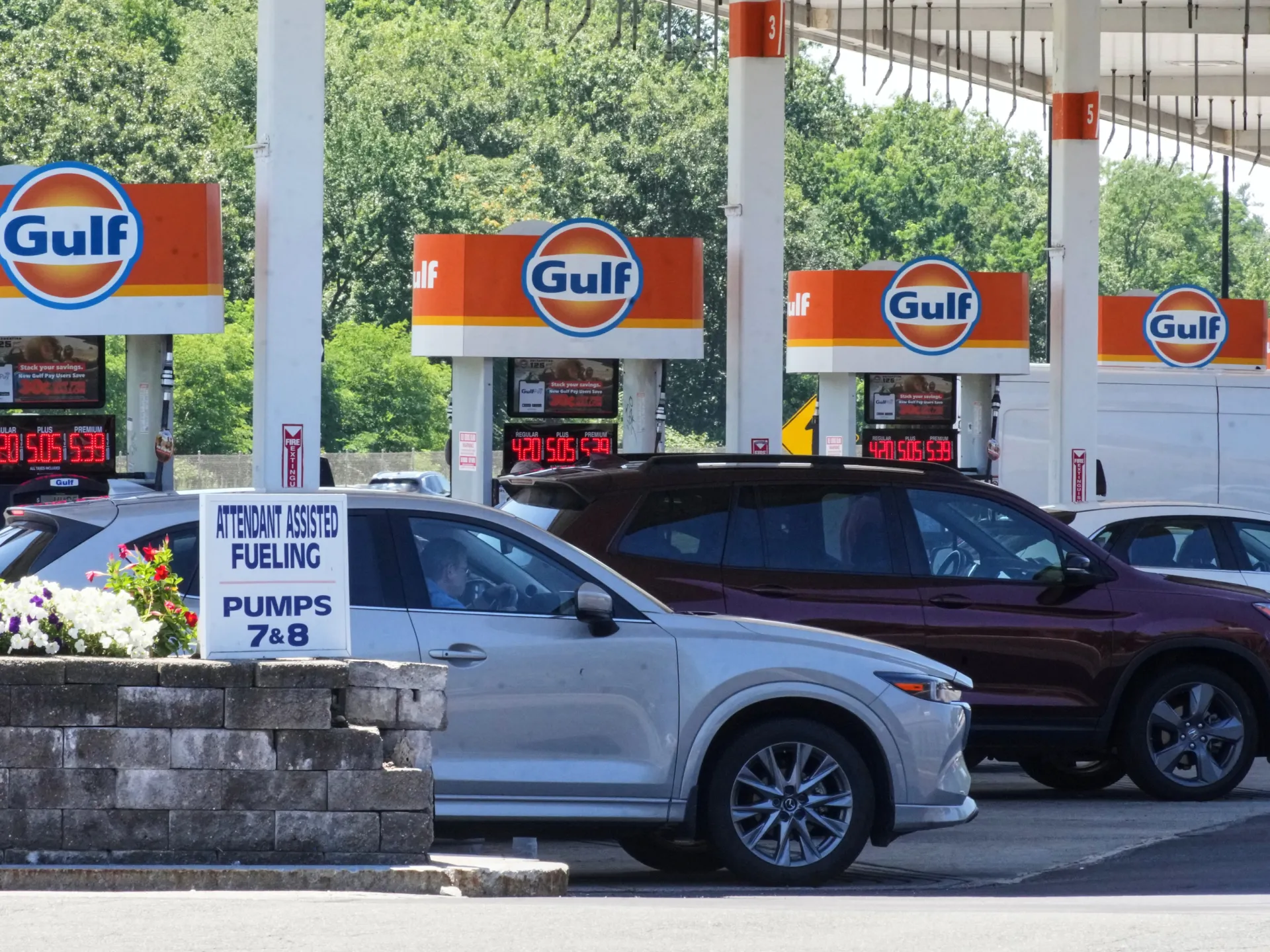
Higher oil prices have increased inflation concerns, pressured bond markets and weighed on shares. The S&P 500 fell 0.6 per cent and was heading for a fourth consecutive loss, while US regular petrol averaged nearly US$4.28 a gallon, according to the American Automobile Association.
Traders put the market-implied probability of a Federal Reserve rate rise at next week’s meeting near 70 per cent, up from 61 per cent the previous day, according to CME Group data. The figure reflects market expectations rather than a confirmed central bank decision.