OCHA warns Gaza faces renewed famine threat as 67 per cent face food insecurity
With 200,000 residents in pre-famine conditions, the United Nations Office for the Coordination of Humanitarian Affairs cautions that lingering hunger effects and a reliance on basic staples are undermining recovery efforts in Gaza.
The United Nations Office for the Coordination of Humanitarian Affairs (OCHA) has issued a stark warning that Gaza is confronting a severe food emergency with the potential to escalate into another famine. According to data released by the agency, 67 per cent of the population is currently suffering from food insecurity, while approximately 200,000 people, representing 10 per cent of the population, are living in conditions that typically precede a formal famine declaration by the Integrated Food Security Phase Classification.
This latest assessment follows the famine that occurred between August and December 2025, the effects of which continue to impact the health and development of children across the territory. Justin Brady, head of OCHA in Palestine, noted that while acute hunger may have subsided in some areas, the structural barriers to recovery remain significant. The current crisis is attributed largely to soaring food prices and a long-running siege by Israel, which has severely restricted access to nutritious food and essential supplies.
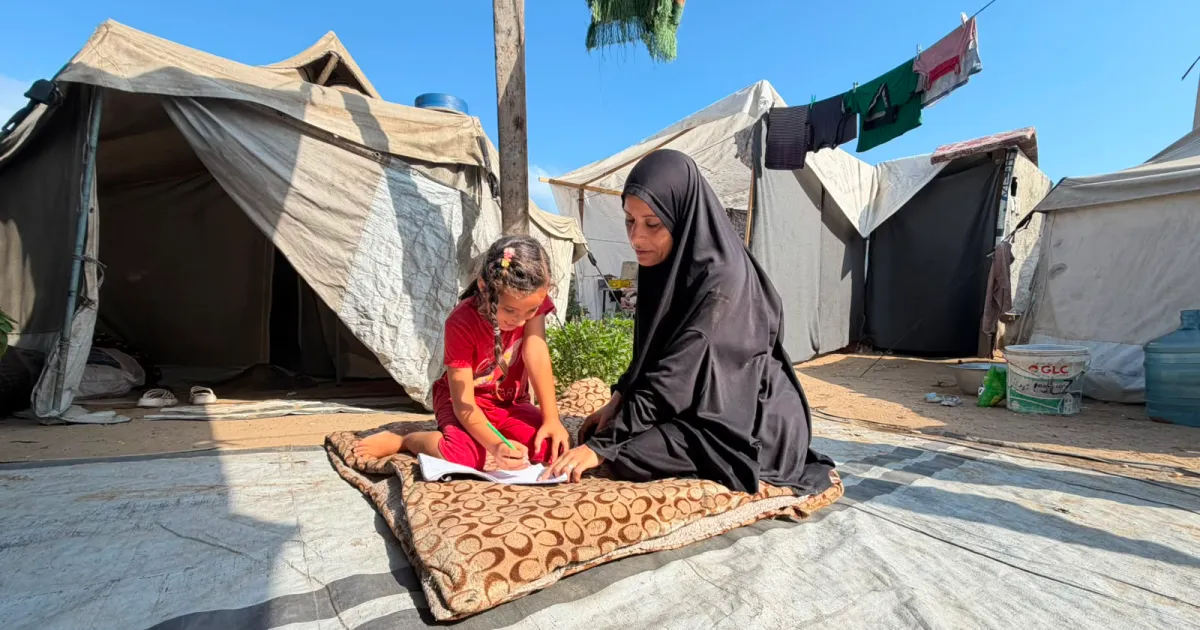
In central Gaza, the reality of this policy environment is evident in camps such as al-Zawaida, where community kitchens have become the primary food source for many families. These kitchens serve meals composed mostly of rice and basic ingredients, with meat being a rare occurrence. While these provisions are sufficient to stave off immediate starvation, they fail to provide the varied diet required for physical recovery. Residents report that eggs, vegetables, and other protein sources remain difficult to find or afford in local markets.
Sahar al-Bardini, a sole breadwinner in the al-Zawaida camp, described the ongoing struggle to provide for her three children after they suffered severe weight loss during the 2025 famine. Although the family can now eat more regularly, they manage only one meal a day. Al-Bardini highlighted that while her children have regained some weight, they still lack essential nutrients such as eggs, vegetables, and meat. She noted that the current reliance on limited food vouchers is insufficient to cover the costs of a varied diet, forcing difficult prioritisation between food, clothing, and medicine.
Nutrition specialists warn that the current dietary reliance on rice and lentils creates significant gaps for infants and children recovering from severe malnutrition. Dr Ghada Jibril, a nutrition specialist, stated that recovery requires a period of regular nutrition, follow-up care, and a diet rich in protein, iron, vitamins, and minerals. She emphasised that the end of acute hunger does not mean the effects of malnutrition disappear immediately, and that children require more than just caloric intake to resume healthy growth and brain development.