Nuggets face cap constraints as Watson enters restricted free agency
Denver’s salary cap complications following the Spencer Jones transaction have drawn interest from the Clippers, Bucks, and Hawks for Peyton Watson.
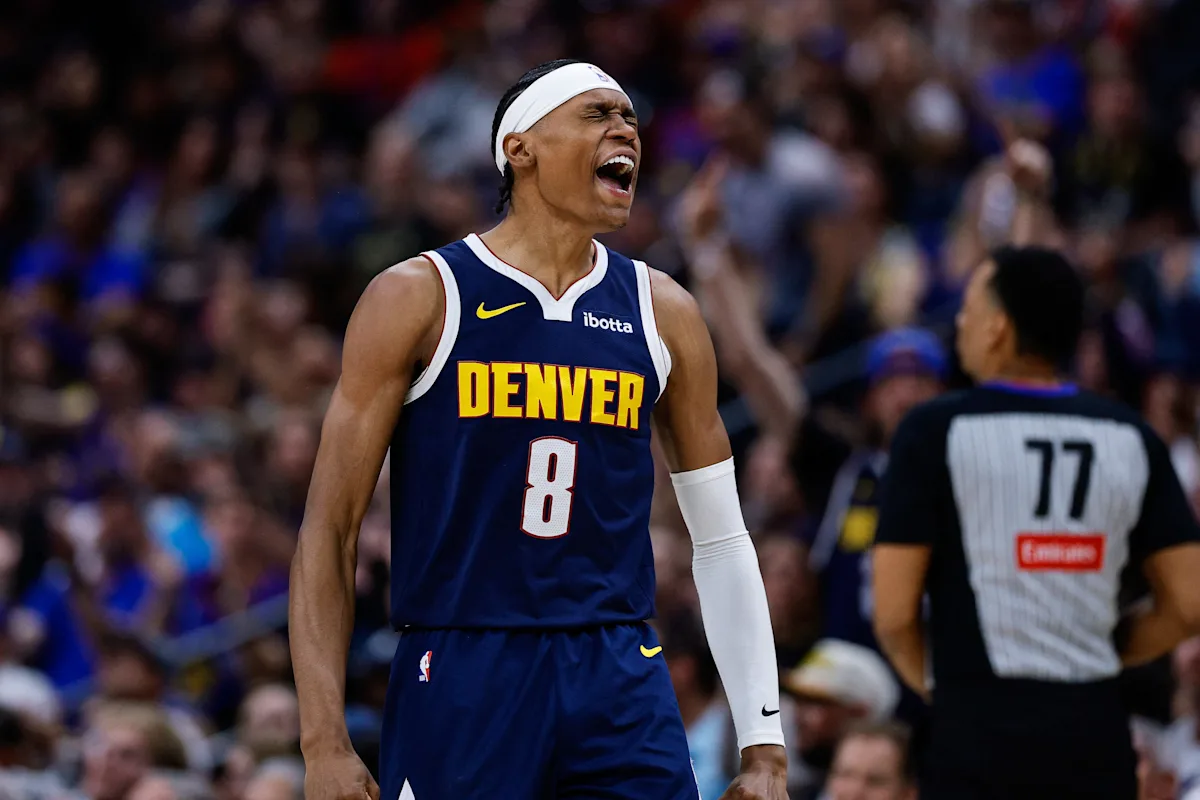
The Denver Nuggets have found themselves in a restrictive salary cap position after matching an offer sheet for Spencer Jones with the Oklahoma City Thunder. This transaction has placed the franchise into second apron status, a financial designation that significantly limits their ability to manage the roster and retain restricted free agents such as Peyton Watson.
Watson, who recorded 14.6 points, five rebounds, 1.1 blocks, and one steal per game last season, remains unsigned. According to ESPN, the Los Angeles Clippers, Milwaukee Bucks, and Atlanta Hawks are actively pursuing the player. The Nuggets’ new financial constraints mean that while they could attempt to match any offer sheet signed by these teams, doing so would trigger a substantial tax penalty.
The situation presents a strategic dilemma for Denver. The club could attempt to restructure its finances to create space for Watson, but the second apron rules impose severe restrictions on spending and the use of exceptions. If the Nuggets cannot accommodate his contract within these limits, they risk losing a key rotational player to one of the interested franchises.
Watson is reportedly considering a one-year contract with Denver. This approach would allow him to become an unrestricted free agent the following summer, potentially securing a larger payday. However, this strategy involves significant financial and health risks, as it relies on maintaining peak performance and avoiding injury during the upcoming season.
The outcome of Watson’s decision remains uncertain. While the one-year deal offers a path to greater future freedom, it has historically backfired in some cases where players failed to secure subsequent long-term agreements. The Nuggets must now weigh the cost of retaining Watson against the financial penalties imposed by their current cap status.