NPR’s Manoush Zomorodi releases ‘Body Electric’ amid scrutiny of tech’s physical toll
In a new collaboration with Columbia University Medical Center, Zomorodi examines how constant connectivity impacts physical health, marking her first peer-reviewed scientific publication.
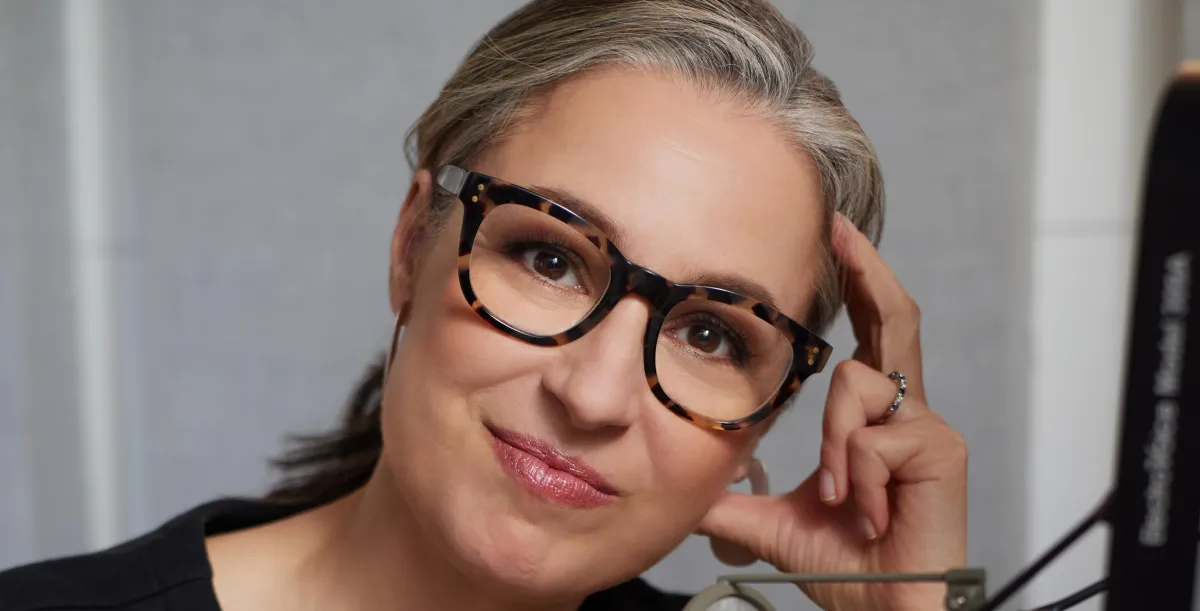
NPR reporter and author Manoush Zomorodi has released her latest book, Body Electric, which investigates the physical health consequences of constant digital connectivity. The work represents a collaboration between NPR and Columbia University Medical Center, following the trajectory of her previous title, Bored and Brilliant, which focused on the mental health impacts of technology.
The research underpinning Body Electric has been accepted for publication in a scientific journal, a milestone Zomorodi described as her first peer-reviewed work. She noted that while she has conducted interactive projects with tens of thousands of listeners for over a decade, this publication marks a significant transition into formal scientific validation for her journalism.
In a recent interview with The Verge, Zomorodi detailed her personal relationship with technology, revealing she currently has 37 browser tabs open, primarily consisting of Google Docs, Riverside, LinkedIn, email, scientific articles, and Amazon book rankings. She acknowledged the inefficiency of her workflow, noting she often opens new tabs rather than searching for existing ones.
Zomorodi also discussed her reliance on the Matter app for research, a switch she made after Mozilla shut down the Pocket app, which she had used for over a decade. Despite her deep integration with digital tools, she expressed disappointment with the Oculus device, which she admitted sits unused on a shelf, and stated she is not yet ready to adopt Meta glasses.
Physical health remains a central concern in her daily routine. Zomorodi revealed she suffers from constant neck pain attributable to device use, which only resolves after a full day away from her phone. To mitigate sedentary behaviour, she prefers phone calls over Zoom to encourage movement and stated she always chooses walking over ride-sharing services.
She emphasised the necessity of being constantly reachable for her teens and elderly parents, noting she has never gone anywhere without her phone. However, she maintains a preference for physical media, stating that reading paper books is the only way she can process long-form writing.
The book builds on Zomorodi’s extensive background in broadcasting, including her time heading WNYC’s Note To Self podcast and her current role hosting NPR’s TED Radio Hour. Her 2017 TED Talk has accumulated over seven million views, establishing her as a prominent voice in the discourse surrounding technology and human behaviour.