Norway wealth fund CEO warns AI bubble could erase decades of gains
Nicolai Tangen cautions that a sharp correction in artificial intelligence stock prices poses a systemic risk to the $2.4 trillion portfolio, which is constrained by a passive investment mandate.
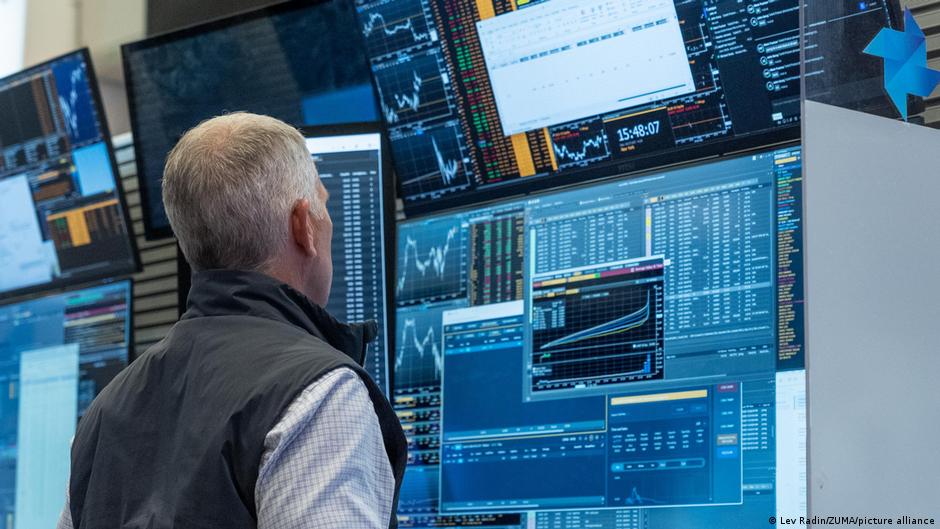
Nicolai Tangen, chief executive of Norway’s Government Pension Fund Global, has issued a stark warning regarding the sustainability of current artificial intelligence stock valuations. Tangen stated that in the event of an extreme market collapse, a massive loss to the fund’s $2.4 trillion portfolio is not completely improbable. The warning comes as the world’s largest sovereign wealth fund navigates a period of unprecedented technological investment, where soaring tech valuations have driven record financial performance but also introduced significant systemic risk.
The fund delivered a record profit of 1,753 billion Norwegian kroner in the first half of 2026, a figure largely propelled by the AI-chip trade. However, Tangen cautioned that a sharp correction in these valuations could potentially erase much of the wealth accumulated over the past 30 years. Currently, the investments generated by the fund finance approximately a quarter of the Norwegian government’s budget, underscoring the stakes involved in maintaining portfolio stability during what Tangen described as an abnormal economic period characterised by low taxes, low inflation, and low interest rates.
Unlike other sovereign wealth funds that actively diversify into private equity, infrastructure, and real estate, Norway’s fund largely adheres to a benchmark-based investment strategy. Technology accounts for roughly a third of the fund’s stock investments, driven by its passive index-tracking approach. This strategy limits the fund’s ability to hedge against downturns, as it is mandated to buy index funds that track major global markets rather than picking individual stocks or taking protective positions such as holding large amounts of cash.
Karin Thorburn, a research chair in finance at the Norwegian School of Economics, noted that while the passive approach eliminates the uncertainty of selecting individual stocks, it leaves portfolio managers with almost no room to deviate from the index. Javier Capape, a sovereign wealth fund specialist, described Norway as unusually exposed due to its investment strategy of holding roughly 70 per cent in equities. However, he clarified that the fund is not entirely unhedged, as Norges Bank Investment Management utilises currency, interest-rate, and equity derivatives to protect against market crashes.
Stress tests conducted by Norges Bank Investment Management suggest that an AI correction could reduce the entire fund’s value by approximately 18 per cent, equivalent to €432 billion. This potential loss would represent nearly seven years of Norway’s projected energy revenues for 2026, which are estimated at €63 billion. The warning aligns with broader concerns from the Bank for International Settlements, which cautioned in June that AI exuberance risks ending in a bust if returns fail to meet expectations.