Northern Virginia grid disruption exposes risks of rapid AI data centre load drops
A power line failure in Northern Virginia triggered simultaneous disconnections from AI data centres, causing voltage spikes across the eastern US. With data centre demand projected to quadruple by 2040, grid operators and technology providers are racing to implement solutions that prevent future instability.
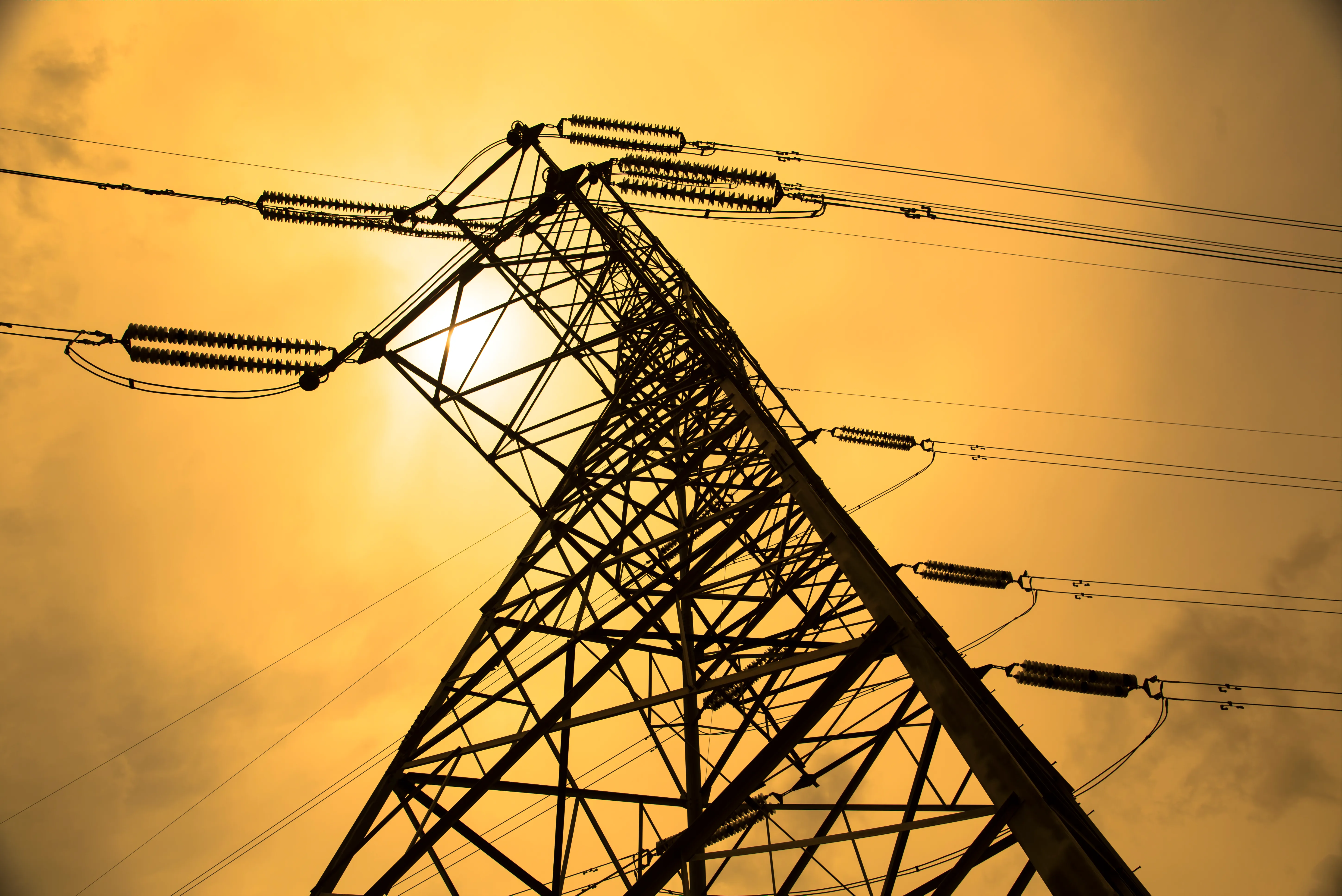
A fallen power line in Northern Virginia triggered a significant instability event on the PJM Interconnection grid, revealing the vulnerability of electrical infrastructure to the rapid behaviour of AI data centres. The incident, which occurred this week, saw more than 3 gigawatts of load disconnect from the grid in a matter of seconds, causing voltage spikes that stretched from Northern Virginia to Chicago. Data collected by IoT sensor network startup Ting Labs confirmed the extent of the disruption, which resulted in flickering lights across the region but did not cause a blackout.
The PJM Interconnection, which serves 67 million customers across 13 states from New Jersey to Illinois, took more than 11 minutes to stabilise after the initial disruption. According to PJM data, approximately 3.1 gigawatts of load vanished within 30 seconds as data centres switched to backup power upon sensing a voltage dip. This sudden removal of demand created a supply surplus of 3.49 gigawatts at its peak, representing roughly 3% of total demand on the grid at the time.
Experts warn that such events are becoming more frequent as data centre density increases. Northern Virginia, located within PJM’s territory, holds the highest concentration of data centres globally. Ricardo de Azevenedo, CTO at ON.Energy, described the incident as a "canary in the coal mine," noting that mass disconnections of large loads are happening with increasing regularity. The event was twice the size of a similar incident in 2024, where 60 data centres disconnected and pulled 1.5 gigawatts of load from the grid.
The mechanics of the disruption highlight a critical flaw in current grid interactions. When voltage dips, data centres often switch to backup power within seconds to protect equipment, effectively removing their load from the grid. This simultaneous action exacerbates supply surges, triggering failsafes in other connected devices. Ali Zain Banatwala, senior market models specialist at the Independent Electricity System Operator, emphasised the need for sequential reconnection protocols to allow grid operators to manage these fluctuations more effectively.
In response to growing risks, technology providers and grid managers are exploring solutions to help facilities absorb disruptions rather than disconnecting. ON.Energy is currently installing 3 gigawatts of its uninterruptible power supply systems across four data centre campuses. These systems use batteries and power conversion equipment to mask the data centre’s variable load from the grid, allowing facilities to ride through voltage sags and surges. Meanwhile, ERCOT, the Electric Reliability Council of Texas, is reportedly moving to require large loads to "ride through" disruptions. The urgency is underscored by Synapse Energy Economics data, which indicates data centres accounted for 6% of PJM’s load in 2024, with projections suggesting this figure could rise to 24% by 2040.