Northern Cyprus IVF scandal expands as DNA tests link 30 children to incorrect donors
At least 30 British children are believed to have been conceived using wrong donors at northern Cyprus facilities, with Cryos International blacklisting Dogus IVF Centre since 2016.
A BBC investigation has identified at least 30 children, predominantly British, who are believed to have been conceived using incorrect sperm or egg donors at IVF clinics in northern Cyprus. The figure represents a significant escalation from the initial seven cases reported earlier in the year, with the majority of procedures conducted between 2012 and 2024. Half of the affected children were born from treatments at the Dogus IVF Centre, while the remainder were linked to other facilities, including Miracle IVF.
Parents at Dogus IVF Centre and other clinics suspect that staff misled them regarding the identity of donors selected from banks such as Cryos International. DNA testing has confirmed genetic ancestry discrepancies for several children, with results indicating Turkish or southern European heritage rather than the selected Western European donors. Eleven of the 30 children have undergone commercial DNA tests, revealing genetic links to Turkey or surrounding countries, which contradicts the profiles of the donors parents believed they had chosen.
Cryos International, the world’s largest sperm bank, has blacklisted Dogus IVF Centre since 2016 and has suspended ties with Dr Firdevs Uguz Tip and her clinic, Miracle IVF, pending an investigation. The sperm bank confirmed it has no record of delivering sperm to Dogus clinic, despite the facility advertising a relationship with the bank as a key selling point. This discrepancy adds weight to allegations that patients were deceived about the source of their donors.
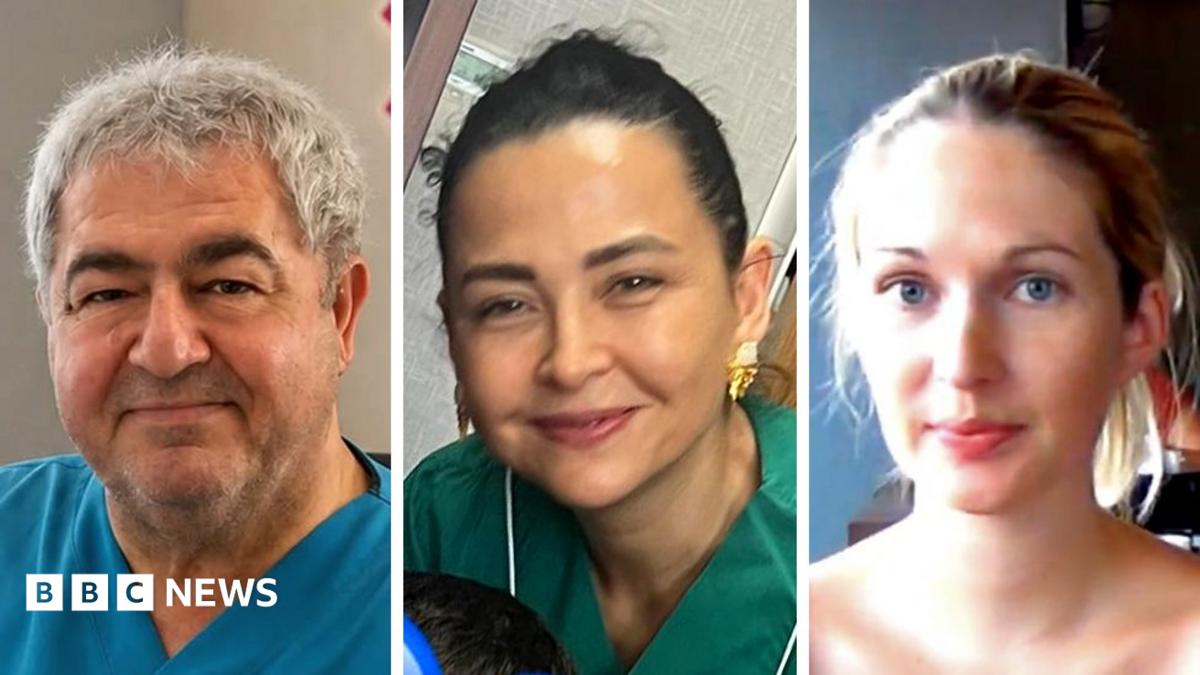
Three specific staff members at Dogus are linked to many of the cases: Dr Sevket Alpturk, the clinic owner; Dr Firdevs Uguz Tip; and patient co-ordinator Julie Hodson. Dr Firdevs, who left Dogus in 2015, currently runs Miracle IVF where nine similar cases have been identified. She denies any wrongdoing and claims she has been cleared of breaching any laws, though this has not been independently confirmed by the northern Cyprus Ministry of Health.
The Ministry of Health in northern Cyprus has launched an official investigation into the allegations but has not provided further details to the BBC. The territory, which is only legally recognised by Turkey and where European Union laws do not apply, is known for loosely regulated clinics that promise low prices and high success rates to international patients. The British Fertility Society has described the scale of the issue as indicative of a systemic problem rather than isolated negligence.