Northeast Brazil braces for maximum alert as heavy rains trigger deadly floods and landslides
Government operational levels raised to maximum following severe weather in Recife, Olinda, Joao Pessoa and Campina Grande; study cites tripling of rain-related disasters since 1991.
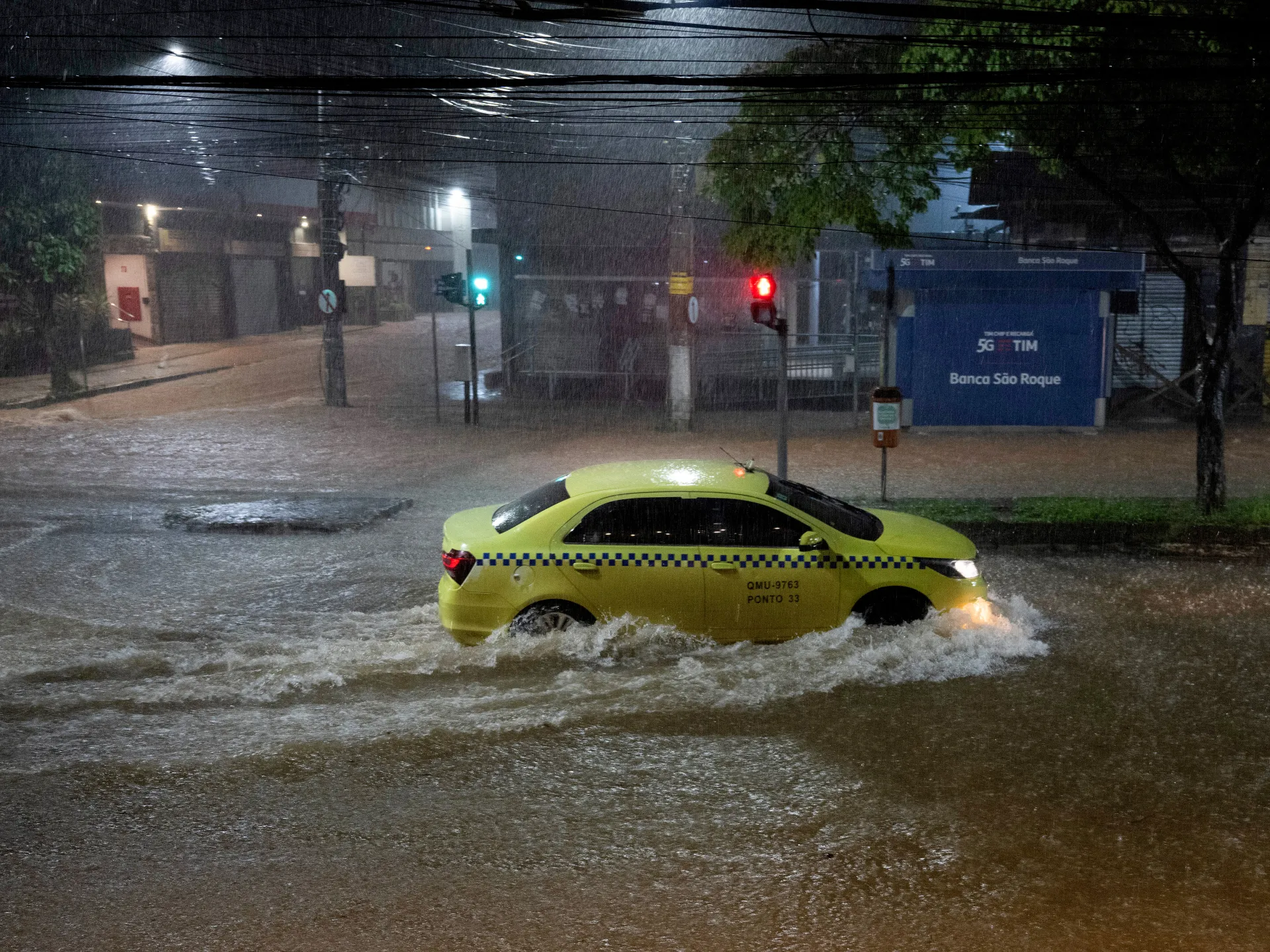
Severe weather conditions have struck the northeast of Brazil, resulting in at least six confirmed deaths and the displacement of thousands of residents across the states of Pernambuco and Paraiba. The crisis was precipitated by landslides in the cities of Recife and Olinda within Pernambuco, alongside severe weather impacts in Joao Pessoa and Campina Grande in Paraiba.
In response to the deteriorating situation, the National Center for Risk and Disaster Management issued 22 emergency alerts. The agency subsequently elevated the operational level to maximum to coordinate the response efforts. While rainfall has reportedly eased on Saturday, officials have urged the public to maintain continued vigilance as search and rescue operations continue in the affected areas.
The human cost of the event has already been significant, with local authorities confirming at least two fatalities in Recife and two others in nearby Olinda. Approximately 1,500 people were displaced by the storms in Pernambuco. In Paraiba, at least two people were confirmed killed, with another 1,500 residents forced from their homes in the hardest-hit areas of Joao Pessoa and Campina Grande.
President Luiz Inacio Lula da Silva has intervened to address the unfolding emergency, stating on social media that he had spoken directly with local authorities to offer government support. He noted that the federal administration continues to monitor the situation closely to provide all necessary assistance to the regions grappling with the aftermath of the extreme weather.
This incident highlights a disturbing trend in the country's disaster profile. A study released last year by the Brazilian Alliance for Ocean Culture indicates that rain-related disasters, encompassing both flooding and landslides, have tripled in Brazil between 1991 and 2023. The current event adds to a series of recent tragedies, including 130 deaths in Recife three months prior, 64 fatalities in Minas Gerais in February, and 183 deaths in Rio Grande do Sul in 2024.
The concentration of these events in specific regions underscores the growing frequency of extreme precipitation. As the government mobilises resources, the focus remains on mitigating further loss of life and managing the displacement of communities across the northeast.