North Korean soldier detained after rare direct border crossing
The incident marks the fourth direct border crossing since the Lee Jae Myung administration began, highlighting the persistent security challenges along the heavily fortified frontier.
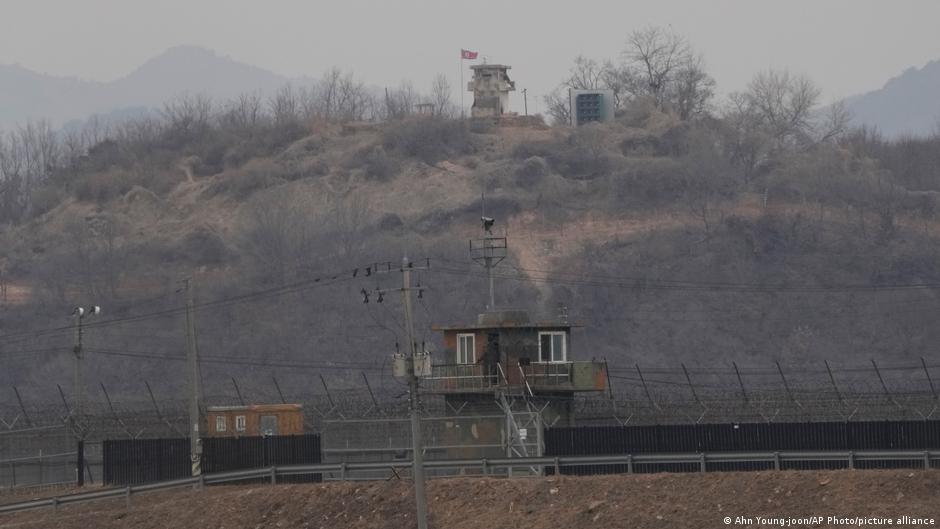
South Korea’s Joint Chiefs of Staff confirmed on Wednesday that military forces detained a North Korean soldier who crossed the inter-Korean border near the central section overnight on Tuesday. The military secured the individual in the central front area, and relevant authorities are currently investigating the details of the incident.
Seoul’s military command communicated the detention to the media, including the Yonhap News Agency. While the official statement focused on the security aspect of the event, Yonhap reported, without citing a specific source, that the soldier was believed to wish to defect. Authorities are now examining the soldier’s motives to determine the circumstances surrounding the breach.
Direct crossings from North to South Korea are exceptionally rare due to the heavily fortified nature of the border. The frontier is characterised by a Demilitarised Zone, secondary buffer zones, dense forests, and extensive landmine fields. Both states maintain intensive military monitoring, making overland escape difficult and dangerous compared to other routes.
This event represents the first recorded direct border crossing of 2026. According to Yonhap, it is also the fourth such case since the Lee Jae Myung administration took office in June 2025. Previous incidents occurred in July, with two cases, and October, with one case. The rarity of these events underscores the effectiveness of border security measures, even as defections remain a consistent phenomenon.
Most North Korean defectors typically flee via an overland route through China to third countries, such as Thailand, before reaching South Korea. Data from South Korea’s Unification Ministry for 2024 showed 236 North Korean arrivals that year. Upon arrival, new defectors are handed over to intelligence services for security screening, after which South Korea typically grants them citizenship.
The North Korean regime views the granting of citizenship to defectors as an affront and often speaks of them in harsh terms. The two Koreas remain technically in a state of frozen war, having signed an armistice rather than a peace deal following the conflict that ended in 1953. The detention of this soldier adds another layer of complexity to the ongoing security dynamics on the peninsula.