North Korea vows enhanced nuclear deterrent in response to US-South Korea drills
The regime accuses Washington of pushing the world to the brink of nuclear war, while US officials cite battlefield experience from Ukraine as a heightened threat on the peninsula.
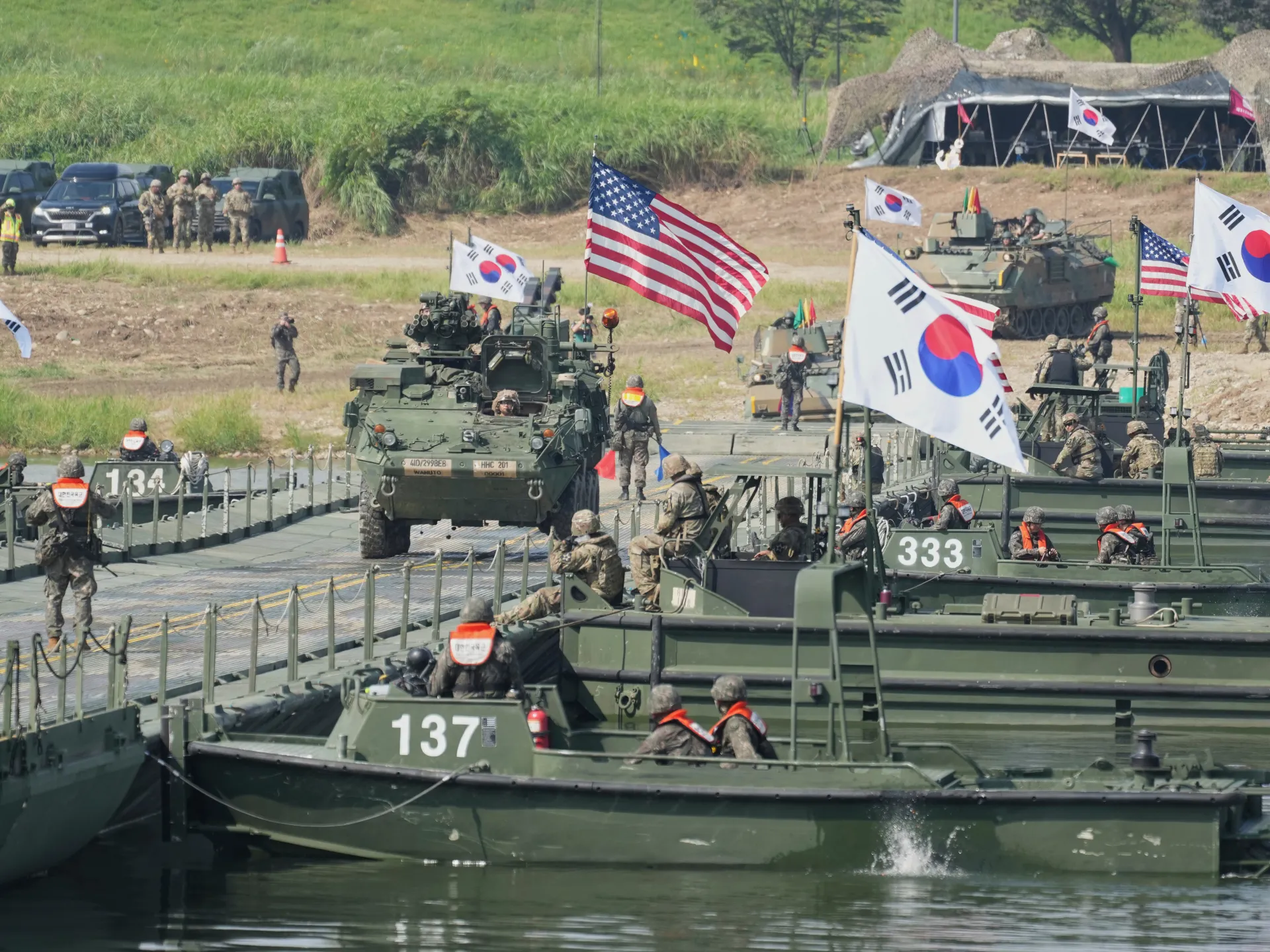
North Korea has formally denounced the upcoming 'Ulchi Freedom Shield' military exercises between the United States and South Korea, characterising the drills as a provocation that significantly heightens tensions on the Korean Peninsula. The condemnation, issued by a spokesperson for North Korea’s Foreign Ministry on Friday, marks a sharp escalation in rhetoric ahead of the scheduled operations.
According to statements released by the Korean Central News Agency (KCNA), Pyongyang accused the United States of lowering its threshold for nuclear weapons usage and pushing the world "to the brink of nuclear war." The North Korean government asserted that its military cooperation with the US and Japan is evolving into a nuclear alliance, necessitating a response at a "new level of deterrent" to match the perceived threat.
The 'Ulchi Freedom Shield' drills are scheduled to run from 17 to 27 August. The exercises will involve 18,000 South Korean soldiers and a contingent of 28,500 US troops. The training focuses on advanced capabilities, including counter-drone operations, GPS disruption, and cyberattack defences, reflecting adaptations to North Korea’s evolving military profile.
North Korea’s Foreign Ministry highlighted that the forthcoming exercises differ markedly from those conducted over the past five years. The regime claimed the US announced the drills are intended to master the ability to fight a war based on new aspects of modern warfare, further justifying its decision to strengthen its nuclear deterrence posture.
Tensions are compounded by reports of North Korean troop deployments to support Russian forces in Ukraine. Pyongyang has sent an estimated 12,000 to 15,000 soldiers to fight in the European conflict, with reports suggesting another 10,000 are being prepared for deployment. This involvement has drawn specific attention from allied military leadership regarding the potential impact on regional security.
Colonel Ryan Donald, spokesperson for the US and South Korean Combined Forces Command, stated that North Korea’s deployment to the European war has altered the threat landscape for allied soldiers on the Korean Peninsula. Donald noted that North Korea has brought back lessons learned from the conflict, confirming that current training protocols account for these enhanced capabilities.
The diplomatic friction follows recent military activity by Pyongyang. On Wednesday, North Korea fired a ballistic missile towards the sea off the Korean Peninsula’s east coast, just six days after launching another missile. The Foreign Ministry’s statement contextualised the drills within a broader global instability, citing a worsening military and political situation in Europe, the Middle East, and other regions.
The United States and South Korea maintain that the exercises are defensive in nature, designed to deter aggression and maintain stability. However, Pyongyang continues to frame the annual drills as a rehearsal for invasion, arguing that they exacerbate regional hostilities at a time when global conflicts are intensifying.