North Korea reaffirms nuclear status at UN conference, rejects NPT binding
Ambassador Kim Song states the nation will not alter its status as a nuclear-armed state regardless of external pressure during the 11th NPT Review Conference
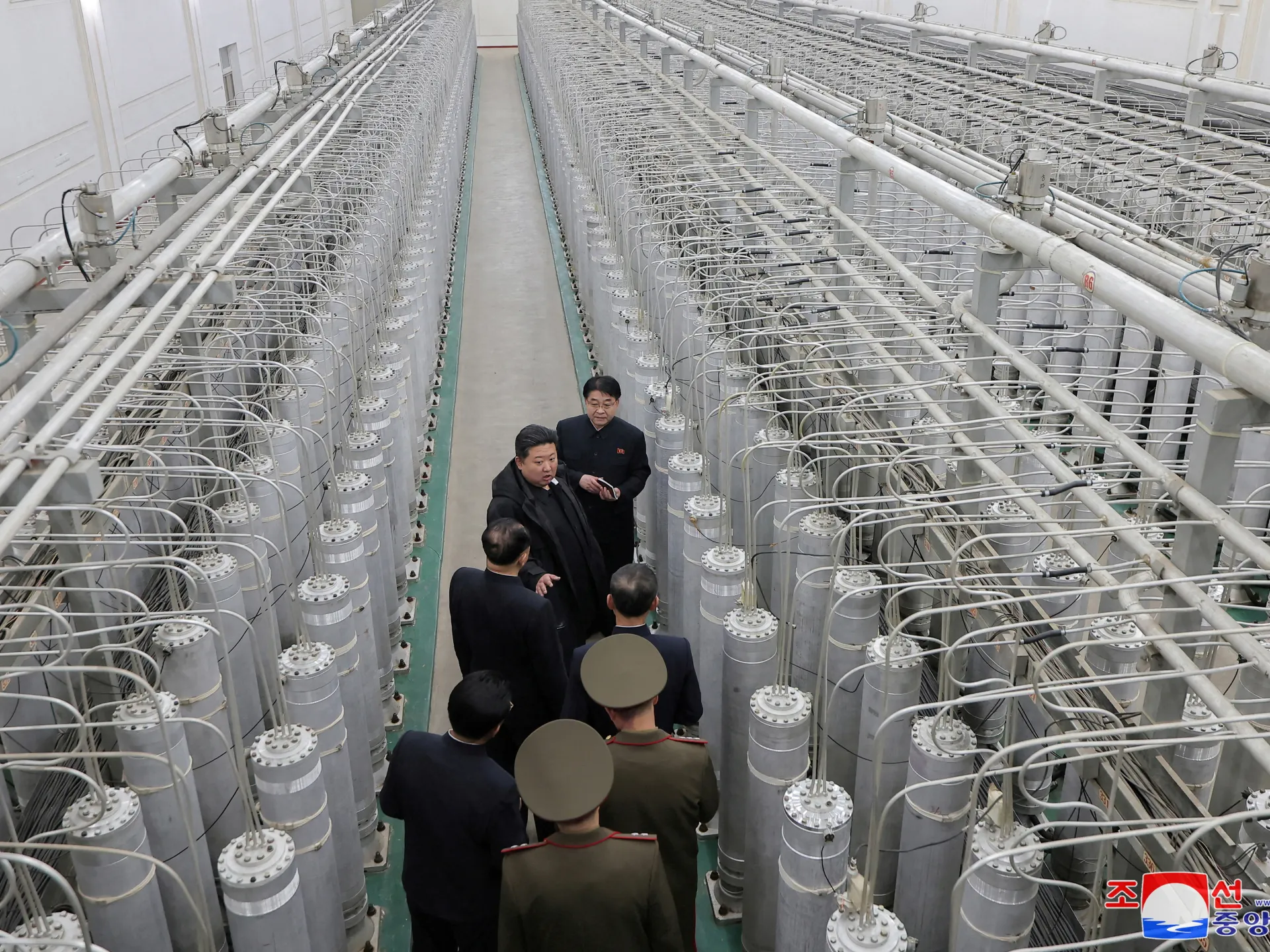
North Korea's envoy to the United Nations has declared that Pyongyang is not bound by the Nuclear Non-Proliferation Treaty and will not alter its status as a nuclear-armed state due to external pressure. Ambassador Kim Song made the statement during the 11th NPT Review Conference at UN headquarters, where the United States and other nations have actively criticised the country's nuclear programme. The official Korean Central News Agency reported that the ambassador stated the Democratic People's Republic of Korea's status as a nuclear power is enshrined in its constitution and will not change based on external rhetorical claims.
The statement explicitly rejects any obligation to the treaty under any circumstances whatsoever. Ambassador Kim argued that the United States and certain countries following its lead are groundlessly calling into question the current status and exercise of sovereign rights. He added that the status of the nation as a nuclear-armed state will not change based on external rhetorical claims or unilateral desires, reaffirming that the path to nuclear capability is irreversible.
Pyongyang withdrew from the NPT in 2003 and has since conducted six nuclear tests, prompting multiple UN Security Council sanctions. The country is believed to hold dozens of nuclear warheads, a capability that the government describes as transparently declared in its constitution regarding the principles of nuclear weapons use. North Korea has long insisted it will not give up its nuclear arsenal, pledging to strengthen its capabilities in response to what it views as hostile international posturing.
The geopolitical context of the conference includes broader regional tensions, with North Korea having sent ground troops and artillery shells to support Russia's invasion of Ukraine. Observers note that Pyongyang is receiving military technology assistance from Moscow in return for this support. Meanwhile, data from the Stockholm International Peace Research Institute indicates that nine nuclear-armed states possessed 12,241 nuclear warheads in January 2025, with the United States and Russia holding nearly 90 per cent of the global total.
The nuclear issue remains central to policy debates involving the United States and Israel regarding Iran. Former US President Donald Trump has stated that Tehran can never have a nuclear weapon, despite Iran being an NPT signatory. This stance contrasts with North Korea's position, which asserts its right to maintain its nuclear deterrent as a matter of sovereign right and constitutional mandate, regardless of the diplomatic environment at the review conference.