US and Iran combat cessation talks hinge on a May 7 response deadline, though progress remains opaque
President Trump expresses optimism regarding a potential agreement, but NHK notes the overall trajectory of the negotiations is unclear as the deadline approaches.
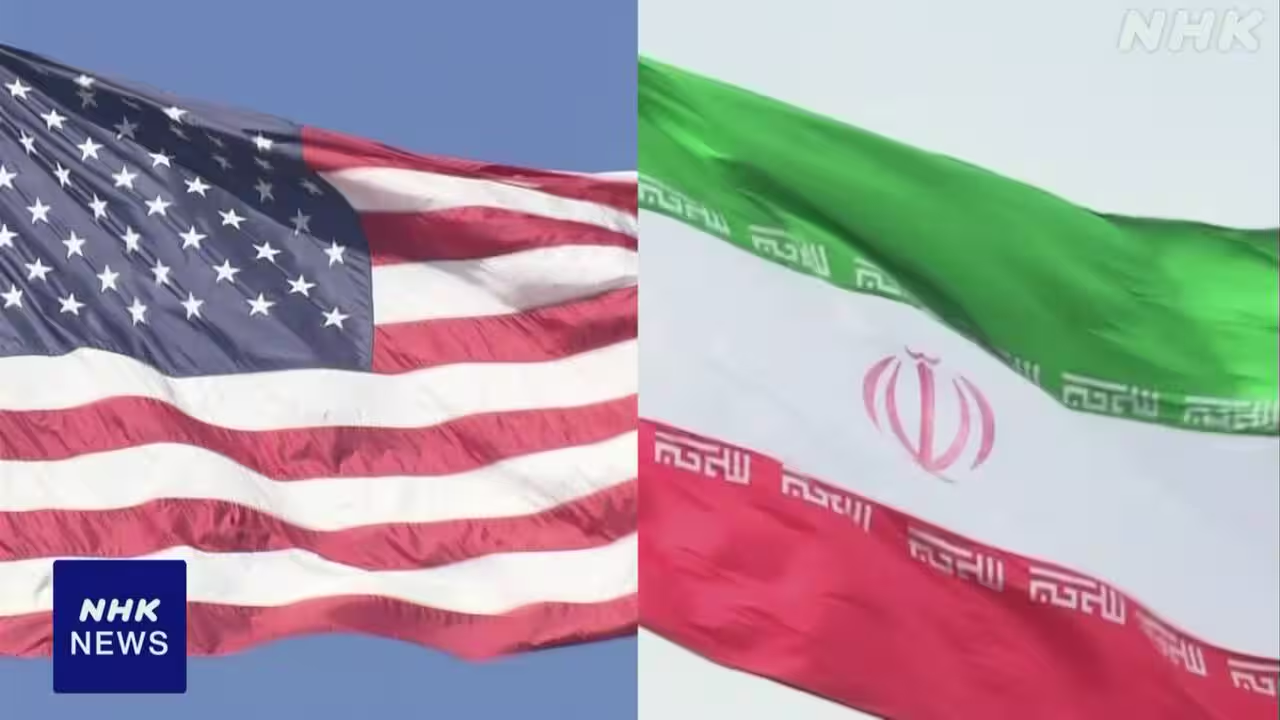
US media reports indicate that Iran is expected to submit a response to a proposal from the United States concerning the cessation of combat between the two nations by 7 May 2026. While this timeline has emerged from reporting by US outlets, the specific content of the proposal remains undisclosed, leaving the substantive nature of the diplomatic overture undefined.
President Trump has publicly stated that there is a significant possibility of reaching an agreement, offering a degree of optimism regarding the outcome of these discussions. However, this assessment is subjective and lacks quantitative backing within the available information, contrasting with the broader uncertainty surrounding the negotiation process.
Despite the reported deadline and the President's comments, the overall progress of the negotiations remains unclear. NHK assessment highlights that the situation is opaque, suggesting that the existence of a specific response date does not guarantee a resolution or clarify the current status of talks between Washington and Tehran.
The reporting relies on US media sources rather than direct confirmation from Iranian or US government officials, introducing a layer of verification caution to the narrative. Without official statements detailing the terms of the offer or the nature of Iran's anticipated reply, the reliability of the reported timeline stands as a secondary claim within the wider geopolitical context.
This diplomatic development occurs against a backdrop of ongoing regional tensions, with related coverage previously mentioning the Strait of Hormuz as a focal point of concern. The lack of detail regarding the proposal means that the strategic implications for the region, including potential impacts on maritime security, remain speculative at this stage.
Concurrently, other developments in the US political landscape have seen the Justice Department drop a criminal probe into Federal Reserve Chair Jerome Powell. This decision clears the way for the confirmation of his successor, Kevin Warsh, though this domestic institutional shift operates separately from the immediate diplomatic challenges facing US foreign policy.
Ultimately, while the 7 May 2026 date marks a critical juncture for Iran to respond to the US initiative, the path to a formal agreement remains uncertain. The interplay between the reported optimism from the White House and the opaque reality of the negotiation process underscores the complexity of resolving the current conflict.