Israeli strike kills Hezbollah Radwan commander Malek Ballout in Beirut
Regional tensions escalate as Washington signals potential resumption of bombardment against Iran, while Canberra tightens fuel supply regulations amid global market volatility.
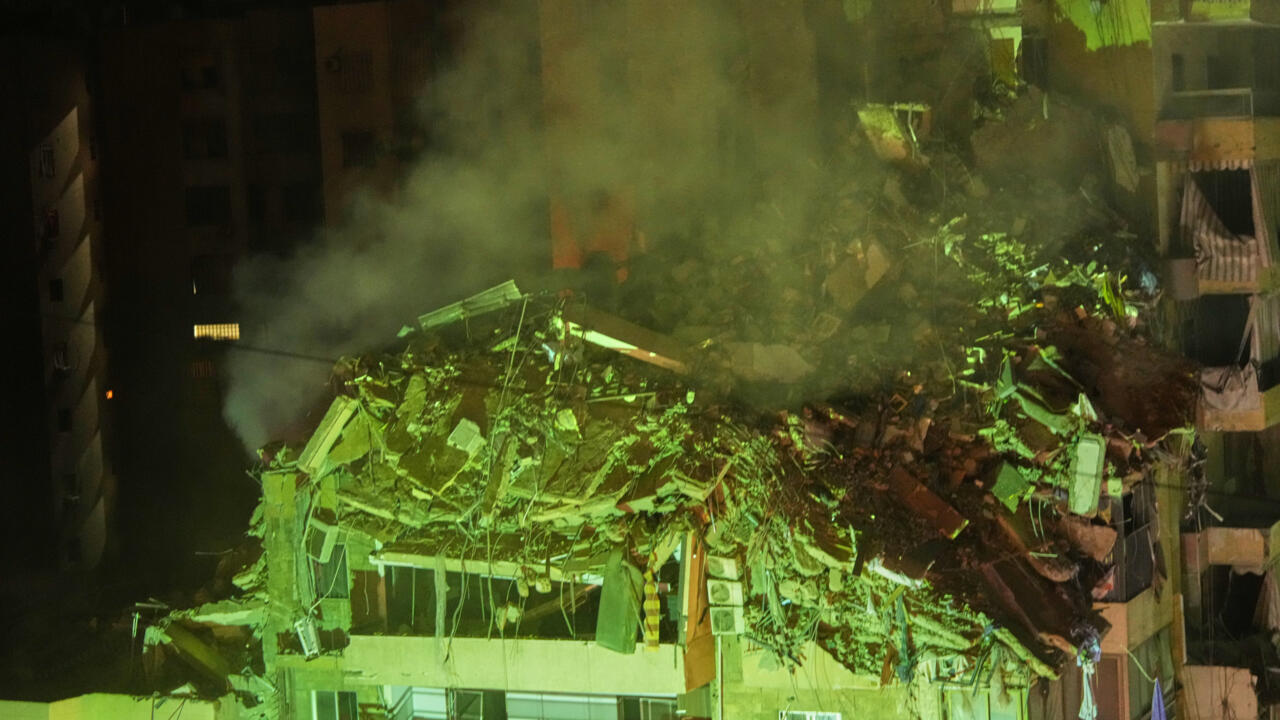
Israeli forces have resumed offensive operations in Lebanon's southern suburbs, targeting a senior commander from Hezbollah's elite Radwan force. The strike, which occurred on Wednesday, resulted in the death of Malek Ballout, who is identified as the operations commander of the unit. This development marks the first Israeli attack in the Beirut area in nearly a month, indicating a significant shift in the intensity of the conflict.
Israeli Prime Minister Benjamin Netanyahu confirmed that the military specifically targeted the Radwan force commander. According to a source close to Hezbollah who spoke to AFP on condition of anonymity, the deceased individual was Malek Ballout. The confirmation of the identity comes alongside reports that at least 11 other people were killed in separate strikes across Lebanon's south and east, according to the Lebanese health ministry.
The killing of Ballout occurs against a backdrop of heightened regional instability driven by the US-Iran conflict. US President Donald Trump stated on Wednesday that he believed a diplomatic deal with Iran was very possible, yet he simultaneously warned that the United States would resume bombardment of the country if negotiations failed. This dual approach underscores the precarious nature of current diplomatic efforts, which are further complicated by recent US military action against an Iranian oil tanker in the Gulf of Oman.
While diplomatic channels remain active, with China's foreign minister meeting Iran's counterpart in Beijing, the military situation continues to deteriorate. The US military recently fired on an Iranian oil tanker to pressure Tehran into reaching a deal to end the war, an action that has drawn a response from the Islamic Republic stating it is reviewing the latest American proposals. These developments suggest that the window for a peaceful resolution is narrowing as kinetic operations resume across the region.
In a separate development regarding energy security, the Australian government has mandated that major gas exporters must set aside 20 per cent of their fuel for domestic use. Energy Minister Chris Bowen announced the measure on Thursday, stating that 20 per cent of Australian gas exports are being reserved for Australian consumption. This policy follows the establishment of a national fuel stockpile of one billion litres, designed to shield the nation from a potential energy crisis.
The announcement coincides with volatile global markets, where Asian shares jumped and the price of crude oil held above $100 a barrel. Investors appear to be betting on hopes that the United States and Iran will strike a deal allowing tankers to deliver crude from the Persian Gulf again. However, the resumption of strikes in Lebanon and the threat of renewed bombardment in the Gulf suggest that such stability remains uncertain.