North Korea erases reunification from constitution, formalising permanent enmity with Seoul
The constitutional revision, introduced in March, marks a definitive break from decades of policy and cements the regime's stance of treating South Korea as a permanent adversary.
North Korea has officially rewritten its constitution to eliminate all references to the goal of reunification with South Korea, marking a definitive policy shift under leader Kim Jong Un. The updated document, introduced in March, defines the Republic of Korea as part of North Korea's territory and designates Kim as the head of state. This revision formalises Pyongyang's stance of treating Seoul as a permanent adversary and solidifies Kim's command over nuclear forces.
The specific constitutional clause previously committing to reunification has been erased, marking a definitive legal break from decades of policy dating back to 1948. The new constitution includes a clause stating North Korea's territory extends "to the Republic of Korea to the south," using South Korea's official name. This change was reported following the South Korean Unification Ministry sharing a document seen by Yonhap News Agency and international media.
Kim Jong Un's title has been updated from "supreme leader" to "head of state" within the context of the State Affairs Commission. The document explicitly describes North Korea as a "responsible nuclear weapons state" and grants the chairman command over the country's nuclear forces. These changes were reported following the South Korean Unification Ministry sharing a document seen by Yonhap News Agency and international media.
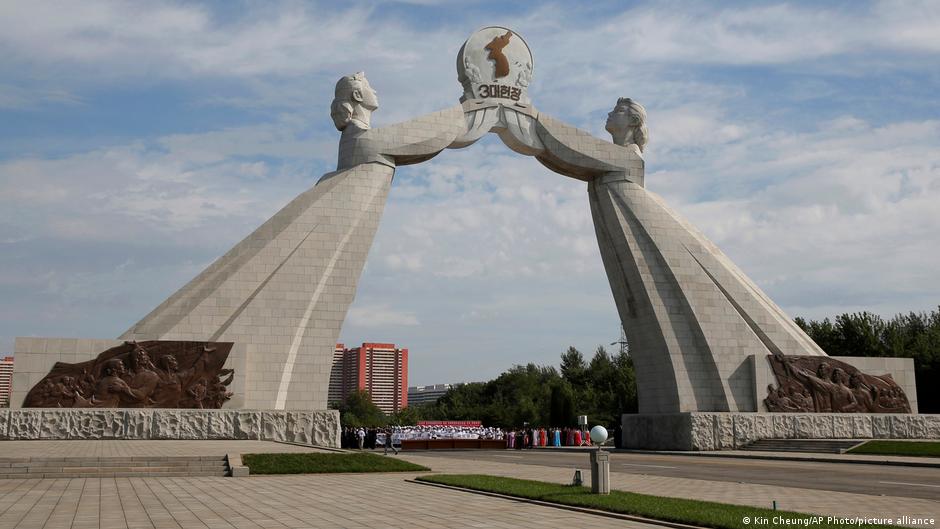
The shift aligns with Kim's late 2023 rhetoric calling Seoul the "main enemy" and his subsequent missile testing programme. In January 2024, Kim Jong Un urged a constitutional amendment defining South Korea as the "primary foe and invariable principal enemy." The demolition of a major reunification monument in late 2023 further underscored the regime's increasingly hostile stance toward Seoul.
Political scientist Lee Jung Chul of Seoul National University suggests the omission of a specific inter-Korean border in the new text might indicate Pyongyang is currently seeking to avoid immediate confrontation. However, the legal framework remains rigid in its definition of the South as territory belonging to the North.
These developments coincide with broader regional tensions, including North Korea's closer alignment with Russia and support for the invasion of Ukraine. The timing of these constitutional changes suggests a consolidation of power and a hardening of the regime's geopolitical posture.