NOAA confirms El Niño arrival with 63 per cent chance of record intensity
The US National Oceanic and Atmospheric Administration has officially declared the presence of an El Niño event in the Pacific Ocean, projecting it could rank among the strongest on record since 1950.
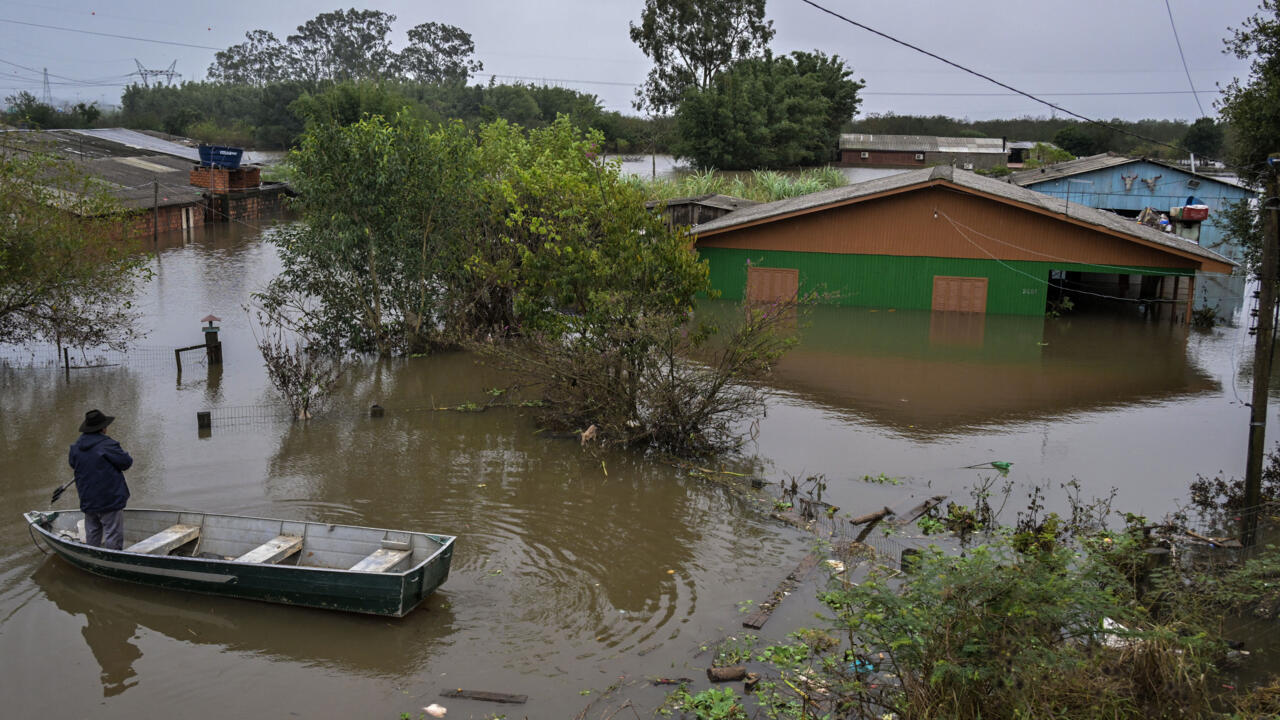
Meteorologists have formally confirmed the arrival of an El Niño climate pattern in the Pacific Ocean, issuing a warning that the phenomenon may grow into one of the most intense on record. The US National Oceanic and Atmospheric Administration (NOAA) announced on Thursday that there is a 63 per cent probability the event will rank among the largest El Niño occurrences in the historical record dating back to 1950. Experts indicate the pattern is likely to amplify global heat and fuel extreme weather events, including floods, droughts, wildfires, and powerful storms.
The weather pattern has formed in a warmed Pacific Ocean and is expected to rival or exceed the intensity of the 1997–1998 El Niño, which triggered billions of dollars in damage from heatwaves, floods, and wildfires. NOAA stated that the warm, deep waters associated with El Niño affect global weather patterns by bringing extra heat to the surface, thereby fuelling extreme events across multiple regions. Clark University climate scientist Abby Frazier noted that the event could become dire very quickly, particularly in the Pacific region.
United Nations Secretary-General António Guterres described the development as an urgent climate warning, stating in a video message that El Niño conditions will pour fuel on the fire of a warming world. Scientists forecast that 2027 may become the hottest year on record globally due to the lagging thermal effects of this event. While El Niños typically form in summer and peak in late autumn or early winter, Columbia University climate scientist Muhammad Azhar Ehsan’s team predicts this event may peak a month or two earlier than usual.
The impacts of the climate pattern vary significantly by region. El Niño often dampens Atlantic hurricane season activity but increases it in the Pacific, posing greater danger to Hawaii and other islands while potentially offering a break to the US East and Gulf coasts. The drought-stricken Middle East could benefit from increased rainfall, whereas parts of western South America often experience heavy rain and floods. India faces more intense heatwaves, while Australia confronts threats from drought, wildfires, and heat. Northeastern Africa is likely to experience weather whiplash, shifting from intense drought to dangerously heavy rains.
In the United States, the event is expected to bring more intense storms and heavier rainfall to the South, while generally benefiting the agriculture industry. Jon Gottschalck, operational branch chief at NOAA’s Climate Prediction Center, noted that conditions for grains and soybeans look favourable in 18 major growing states, though conditions for dairy and cattle are mixed. However, Stanford climate economist Marshall Burke warned that temperatures above normal can dampen American economic growth. Scientists predict stronger El Niños as the world warms from fossil fuel pollution, though it is too early to definitively link this specific event’s strength to anthropogenic climate change.