Nigeria's Solar Import Surge Stalled by Financing Gaps and Policy Ambiguity
Industry leaders warn that protectionist measures could inflate prices, urging a shift toward service-based models to improve electricity access for households and businesses.
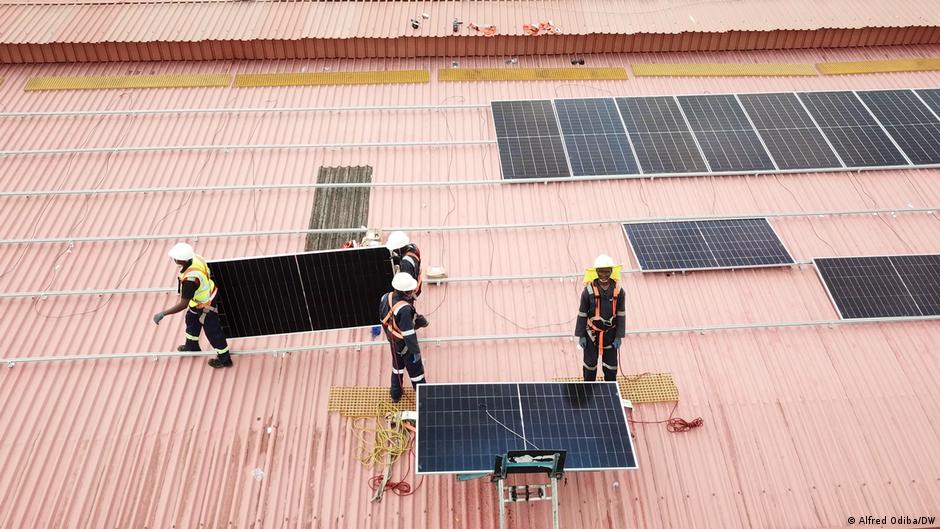
Nigeria has surpassed Egypt to secure its position as Africa's second-largest importer of solar panels, trailing only South Africa. This surge in demand is a direct response to chronic grid failures and the exorbitant cost of running backup generators. However, despite the clear necessity for alternative power sources, the transition remains uneven, driven more by economic constraints than consumer enthusiasm.
The primary barrier to widespread adoption remains the prohibitive upfront cost of installation. For many households and small businesses, the choice is not between solar systems and generators, but between having power or having none at all. Gbenga Kogbe, CEO of Sunhive, notes that while inquiries have grown over the past 12 to 18 months, actual purchasing has stabilised as consumer purchasing power has shrunk. The alternative for many is simply non-consumption.
To address these accessibility issues, the industry is pivoting from selling hardware assets to offering electricity as a service. Companies like Sunhive are moving toward owning solar assets and batteries to sell power directly, particularly for commercial users and rural mini-grids. This model aims to bypass the high initial capital expenditure that currently excludes the vast majority of Nigerians from reliable energy.
Financial and macroeconomic hurdles further complicate the landscape. The cost of capital in Nigeria remains high, with bank loans reaching the low- to mid-30 per cent range. Additionally, currency volatility means that any depreciation of the naira immediately increases the cost of imported solar components. These factors combine to make the technology inaccessible for a vast majority of the population, even as demand grows.
Government policy has added another layer of uncertainty to the sector. Officials at the Rural Electrification Agency have expressed a desire to encourage local assembly of solar components to reduce reliance on imports. However, industry players point out that local manufacturing capacity is currently limited, with no Tier 1 Nigerian solar panel manufacturer yet established.
Experts caution that protectionist measures, such as sweeping import bans, would likely be counterproductive. Godson Ikiebey of PwC Nigeria warns that such bans would raise costs and potentially destroy the industry rather than help it grow. Furthermore, the removal of Chinese subsidies for solar panel production could lead to higher global prices, impacting local importers. Ikiebey notes that the current clean energy industrial policy lacks a deliberate, clear sustainable financing roadmap.
Ultimately, while solar technology is becoming increasingly visible on rooftops, the transition remains shaped less by political will and more by hard economics. Until financing options improve and policy frameworks align with industrial reality, the shift to reliable, affordable energy will remain a challenge for many Nigerians.