Nigerian nationals flee South Africa amid xenophobic unrest and eviction deadline
An unspecified group has set a deadline for those residing illegally in the country, triggering a surge in xenophobic protests and forcing Nigerian migrants to seek safety elsewhere.
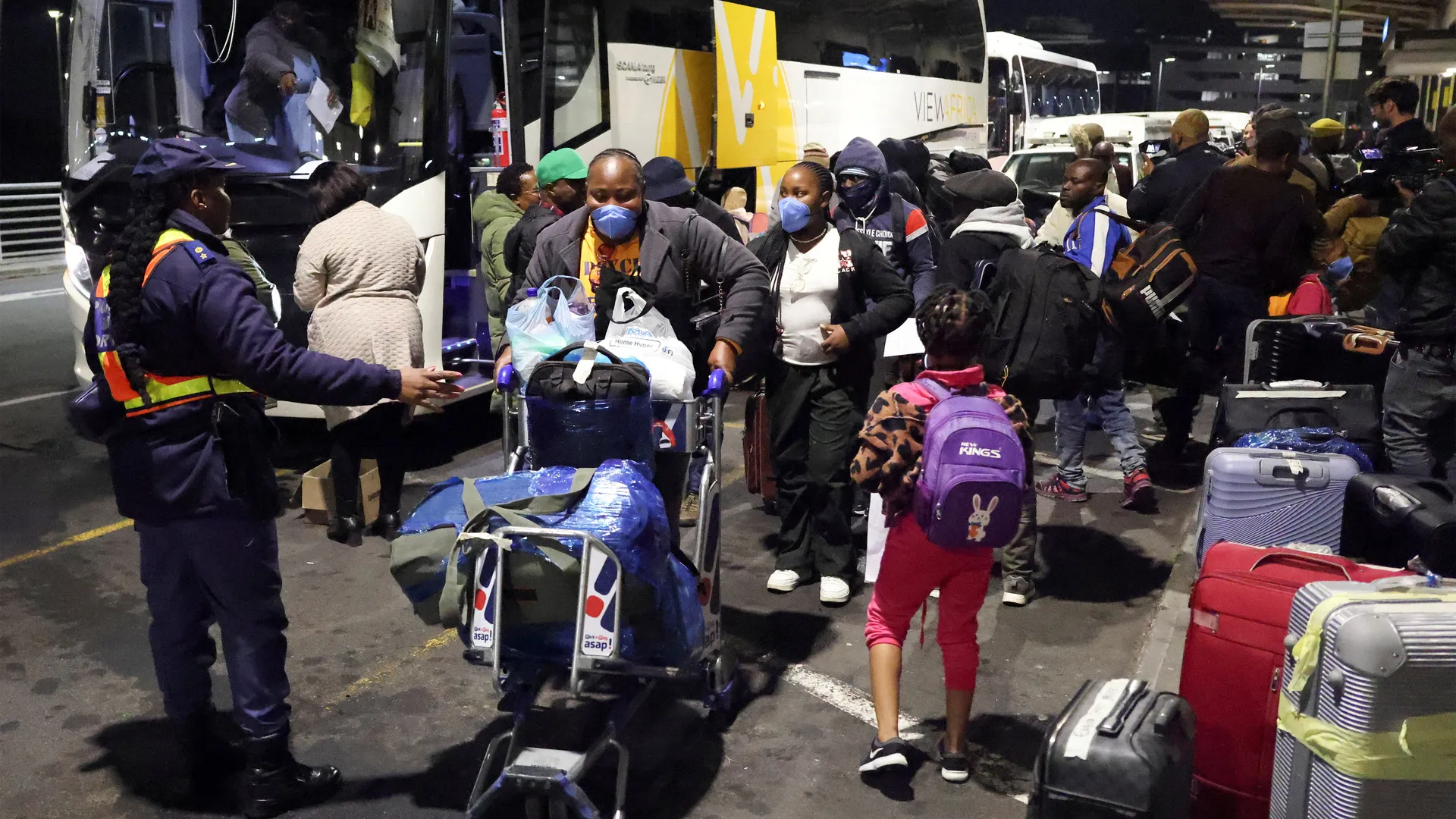
Nigerian migrants are departing South Africa in significant numbers following a recent escalation in xenophobic protests across the region. The exodus coincides with the issuance of a deadline by an unidentified group, which has ordered individuals residing illegally in the country to leave, creating an atmosphere of uncertainty and fear among foreign nationals.
According to reports from Al Jazeera, the primary catalyst for the current displacement is the threat posed by the newly issued deadline. Migrants have stated they are living in fear as the group targets those without legal residency status. The situation has been further destabilised by a spike in xenophobic protests, which have contributed to the decision of many Nigerian nationals to flee the country.
The identity of the group responsible for issuing the eviction deadline remains unclear in available reporting. While the group’s demands have directly influenced the migration patterns, details regarding their organisational structure, membership, or specific political affiliations have not been provided. The focus remains on the immediate impact of their ultimatum on the migrant community.
South Africa has a documented history of xenophobic tensions, often flaring into protests that target foreign nationals. This latest incident underscores the recurring challenges regarding migration enforcement and social cohesion within the country. The current unrest highlights the volatile intersection of illegal residency debates and public sentiment, which frequently results in heightened security risks for migrant populations.
The exact scale of the displacement is not yet quantified, with no specific figures available on the number of Nigerian migrants who have left the country. However, the combination of the deadline and the ongoing protests has created a pressing humanitarian concern, forcing many to abandon their residences and seek alternative arrangements amidst the unrest.