Nigeria suspends parliamentary visits to South Africa over anti-migrant violence
Nigeria’s National Assembly has halted official and virtual engagements with South Africa, citing recurring attacks affecting Nigerian citizens and other migrants.
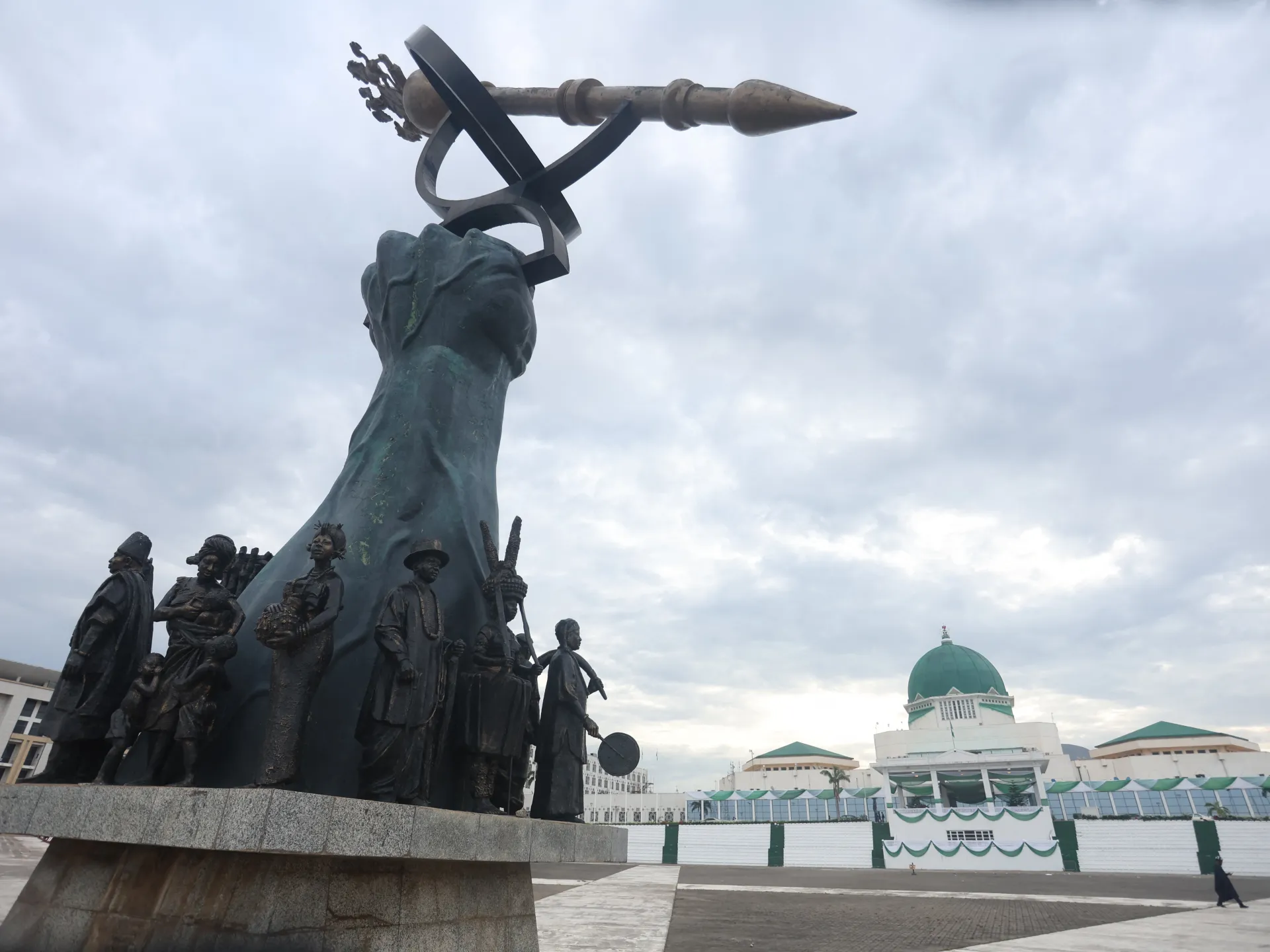
Nigeria’s National Assembly has suspended official and virtual visits to South Africa, extending the measure to its committees, lawmakers, officials and staff.
Akin Rotimi, spokesman for the lower chamber, said the decision reflected parliament’s concern over continued violence against immigrants, including Nigerian citizens. Kamoru Ogunlana, clerk to Nigeria’s National Assembly, said officials were concerned about Nigerians being killed, injured and displaced, as well as losing businesses, homes and property.
The move follows months of anti-foreigner protests that have driven tens of thousands of people to leave South Africa. Nigeria has accused the South African government of failing to do enough to prevent violence against migrants.
At a July meeting in Abuja with South African Foreign Minister Ronald Lamola, Nigeria’s Minister of State for Foreign Affairs, Sola Enikanolaiye, said at least 98 Nigerians had been killed since 2022 in mob attacks, hate-related violence and alleged extrajudicial killings. The claims have not been independently established in the available material.
South African police said at least four migrants were killed in violence linked to tensions over a June 30 deadline for undocumented immigrants to leave. Nigeria’s foreign ministry also said two Nigerians were killed in June, alleging that one was killed by police officers and the other by unidentified attackers.
South African government figures put the number of voluntary repatriations and deportations since the tensions began at almost 90,000. Governments of migrants’ home countries estimate the number who have left at about 178,000, a substantially higher figure.