Nigeria government launches mass weddings to curb marriage costs
Abuja organises series of ceremonies as part of effort to alleviate economic pressure associated with nuptials.
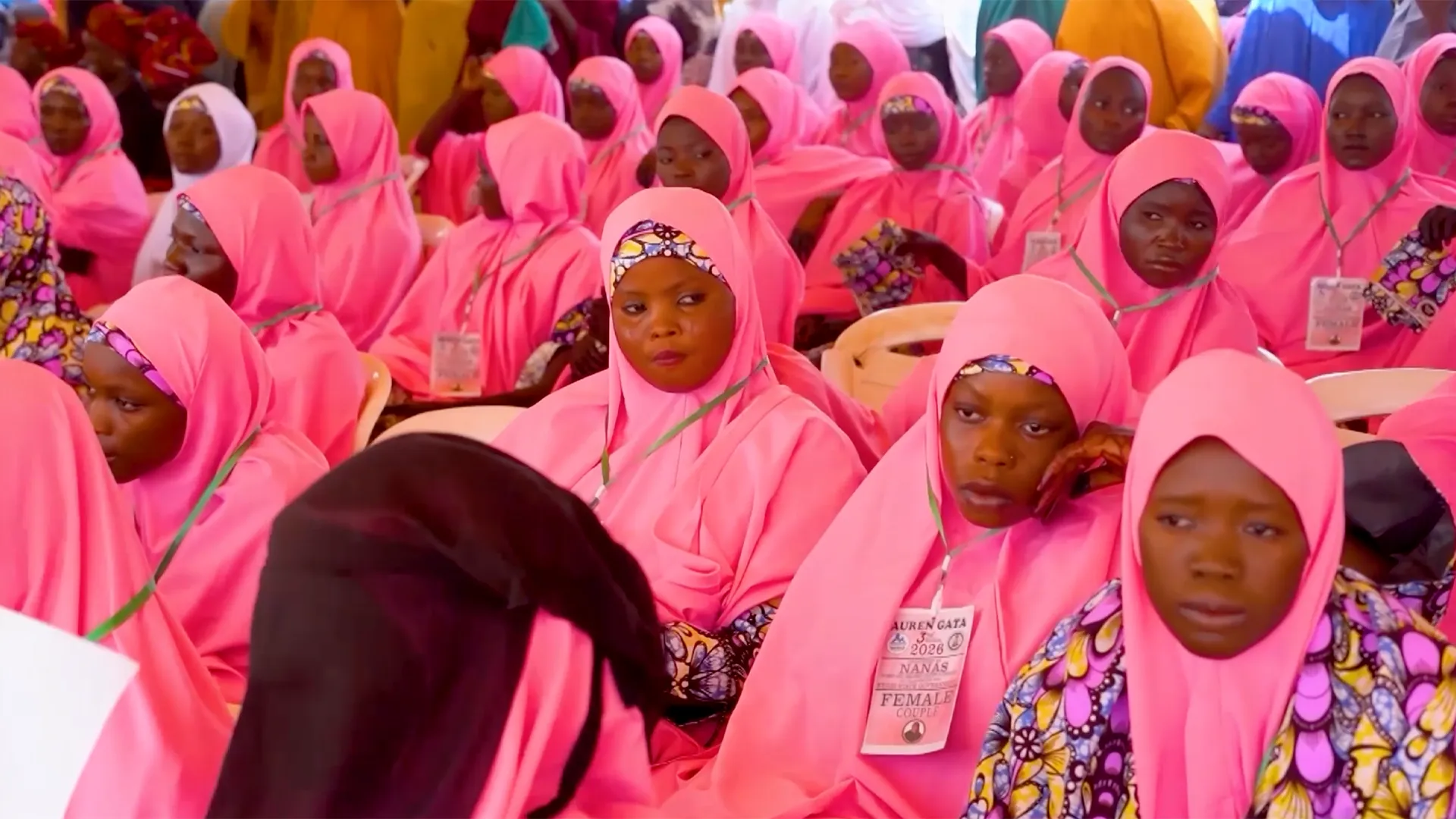
The Nigerian government has initiated a series of mass weddings over the past several days, an intervention aimed at alleviating the financial strain on low-income families facing high costs associated with marriage. According to Al Jazeera Global News, the state has been organising these events to assist couples in overcoming the economic barriers to nuptials.
The initiative represents a direct attempt by the state to address a specific socioeconomic pressure point. By consolidating ceremonies, the government seeks to reduce the immediate financial burden typically shouldered by low-income households, which often struggle with the substantial expenses linked to traditional wedding practices.
Details regarding the scale of the operation remain sparse. The source material does not specify the number of couples participating, the specific locations where the ceremonies are being held, or the particular government agencies responsible for the logistics. The reporting indicates only that the organising has been ongoing for several days.
This approach frames marriage not merely as a personal commitment but as a matter of public policy and welfare. The government’s involvement suggests an institutional recognition that the cost of entry into marriage is a significant hurdle for a segment of the population, prompting a coordinated response to mitigate these costs.
It remains unclear whether this series of mass weddings constitutes a one-off event or the beginning of a broader, long-term policy framework designed to address the structural economic challenges facing Nigerian families. The current reporting focuses on the immediate relief provided by the state-organised ceremonies.
While the initiative aims to ease immediate expenses, it does not necessarily resolve the underlying economic pressures on low-income families. The government’s role in facilitating these unions highlights a shift towards active state management of social customs to promote economic stability among vulnerable demographics.
The ongoing nature of the events, described as lasting for days, indicates a sustained effort rather than a single ceremonial gesture. However, without further data on participation rates or long-term outcomes, the initiative stands as a notable but undefined intervention in Nigeria’s social policy landscape.