NHPC hydroelectric disaster in Sikkim claims at least 20 lives
Rescue operations halted as toxic conditions and waterlogging prevent recovery of remaining bodies; officials confirm no survivors remain at the state-owned project.
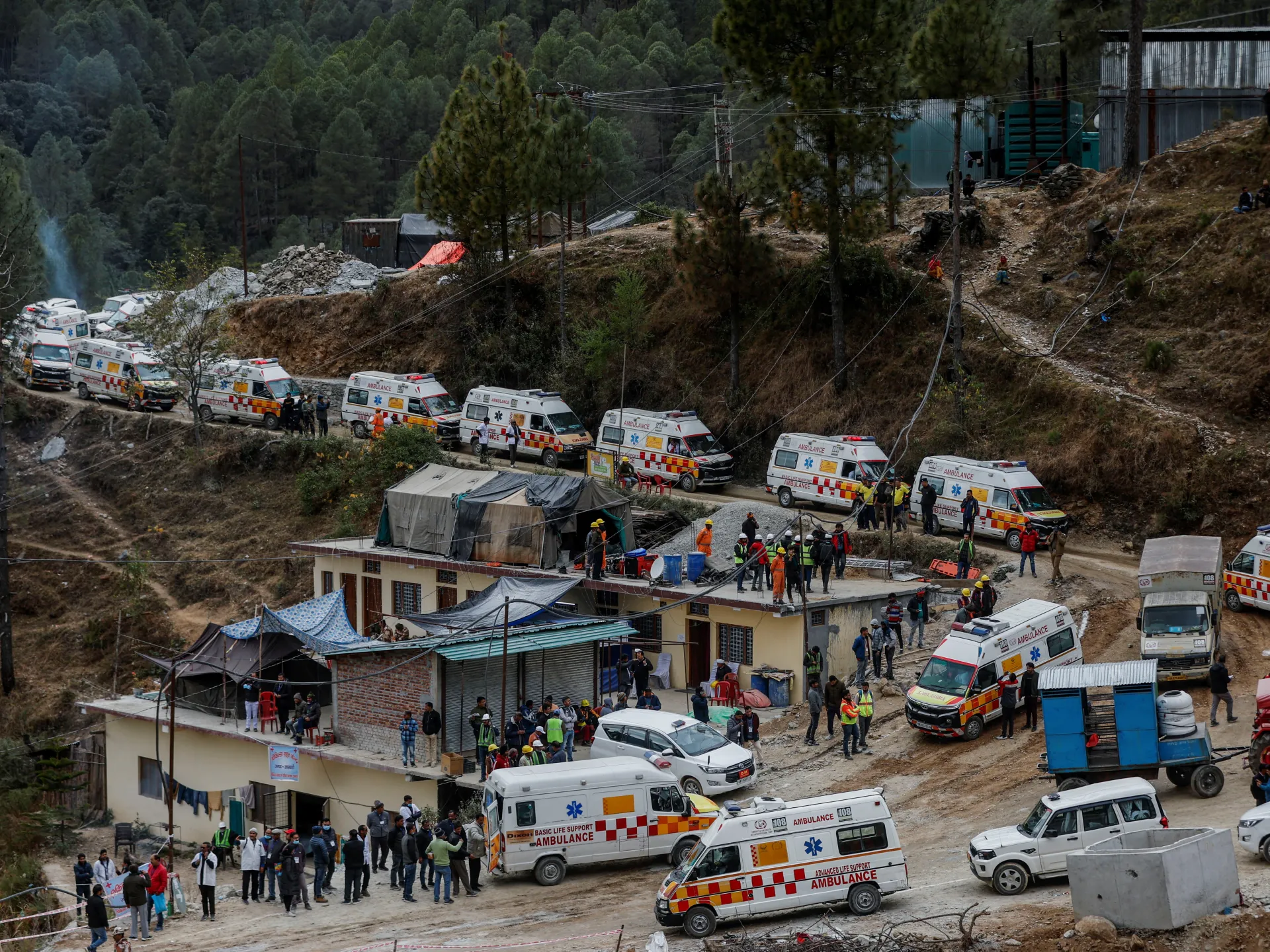
The death toll from a gas explosion and subsequent tunnel collapse at a hydroelectric project in Sikkim, India, has risen to at least 20. The incident occurred at a 500-megawatt facility under construction by the state-owned National Hydroelectric Power Corporation (NHPC), trapping 25 workers. Rescue efforts were severely compromised by torrential monsoon rains, waterlogging, and toxic conditions, leading authorities to conclude that no survivors remain.
Rajiv Roka, director of the Sikkim State Disaster Management Authority, confirmed that 13 bodies have been recovered from the site. Rescuers have sighted an additional seven to eight bodies inside the tunnel, but retrieval has been impossible due to the hazardous environment. Roka noted that the presence of standing water and leaking methane gas from the underground rock formations has made access extremely difficult.
The NHPC issued a statement attributing the collapse to an "explosive release of suspected methane gas trapped or embedded in the rocks." The corporation stated that this release generated dense smoke and toxic gases, triggering the structural failure. It has announced that a detailed investigation will be conducted into the causes of the disaster.
Environmental experts have highlighted the heightened risks associated with infrastructure development in the ecologically fragile Himalayan region. The area is prone to seismic activity and unstable rock formations, which make tunnelling operations particularly dangerous. Critics argue that a surge in development projects has contributed to an increase in such disasters in the region.
This event follows a similar tragedy in 2023, when 41 workers were rescued after being trapped for 17 days following a road tunnel collapse in the northern state of Uttarakhand. Accidents at large infrastructure sites remain a recurring concern in India, with safety protocols often challenged by the difficult geological and weather conditions present in remote construction zones.