NFL 2026 schedule reflects calculated risks on player health and institutional performance
Patrick Mahomes returns to Monday Night Football despite injury concerns, while rookie Fernando Mendoza faces conservative scheduling as the NFL tightens international game protections.
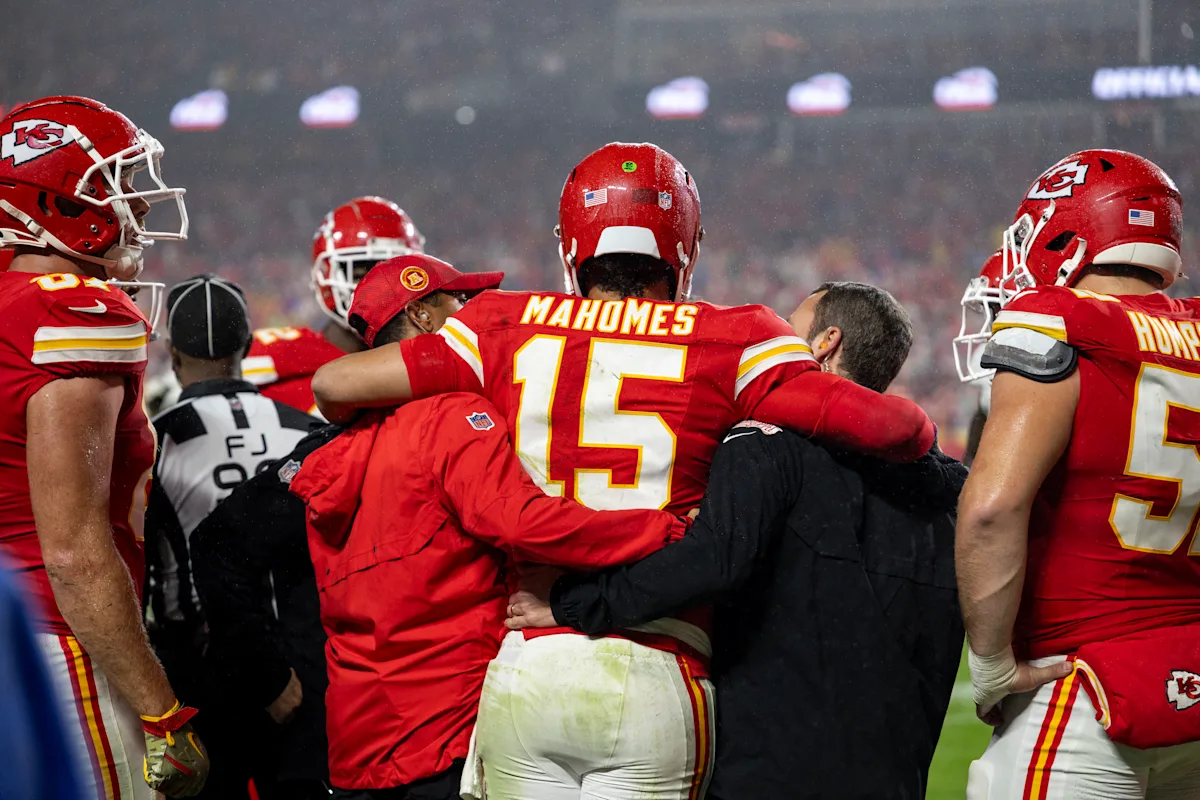
The National Football League has finalised its 2026 schedule, a process characterised by strategic risk management regarding player availability and team performance. A focal point of the scheduling strategy is the inclusion of Kansas City Chiefs quarterback Patrick Mahomes in the Week 1 Monday Night Football opener against the Denver Broncos on 14 September. This decision was made despite Mahomes suffering torn ACL and LCL ligaments in December 2025. NFL executives confirmed they possessed no insider medical intelligence regarding his recovery timeline but proceeded with the slot to capitalise on the Chiefs' sustained popularity and competitive success.
NFL EVP of media distribution Hans Schroeder stated that league officials had no greater insight into Mahomes' condition than the general public. However, the Chiefs' status as one of the league's most popular teams, built on years of successful runs, justified the placement. Chiefs head coach Andy Reid confirmed that Mahomes is rehabilitating for seven hours a day and is making progress, though he declined to share specific medical details with schedulers. Reid joked that providing too much information might result in the team being scheduled for international games, citing the league's increasingly ambitious global slate.
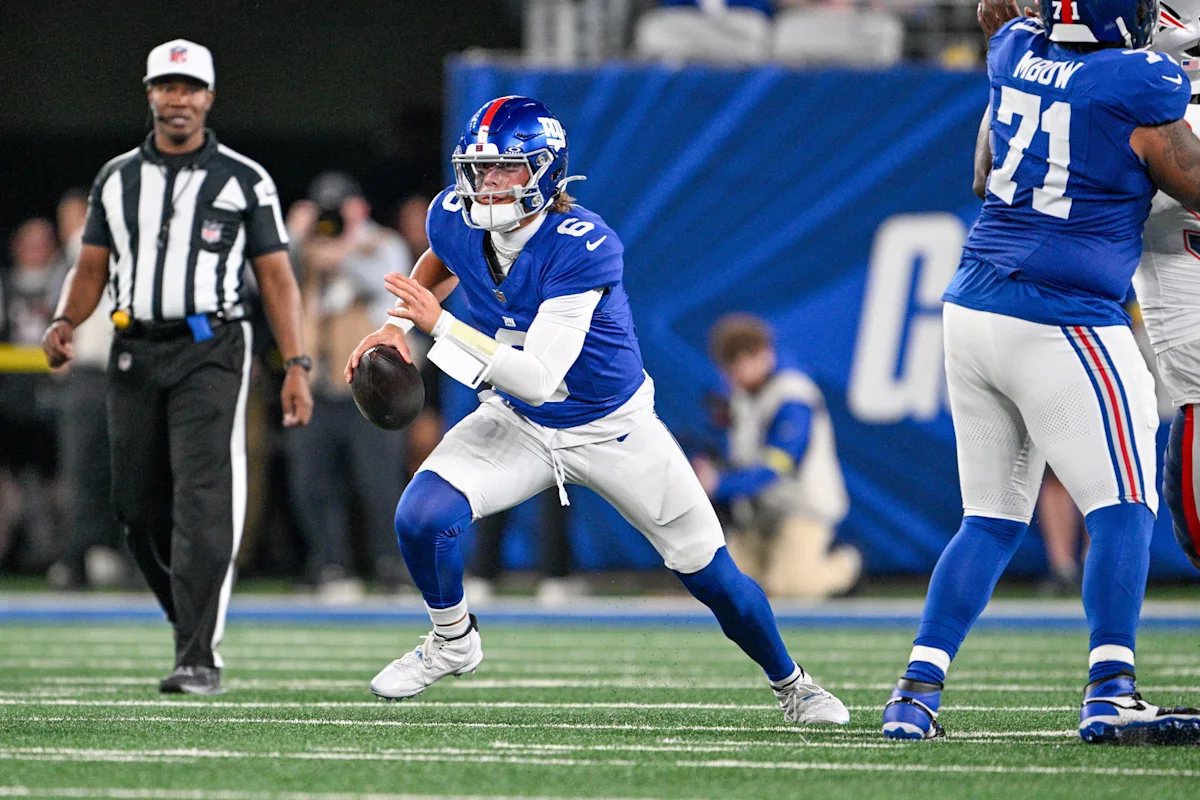
Conversely, the league adopted a conservative stance towards Las Vegas Raiders rookie quarterback Fernando Mendoza, declining to guarantee him a prime-time debut in his first game. The NFL emphasised that prime-time exposure and flexible scheduling are dictated strictly by on-field competitive performance, rather than draft status or individual star power. NFL VP of broadcasting planning Mike North noted that while Mendoza’s presence is a factor, the league has also signed veteran Kirk Cousins to the Raiders. Consequently, the team will not be guaranteed a prime-time window unless they prove themselves playoff-relevant and competitive during the season.
The schedule also features the Los Angeles Rams and San Francisco 49ers playing in Melbourne, Australia, during the first week of the season. This inclusion highlights a broader shift in the league’s approach to international games, with protections for teams to block home games from international slots being reduced. North indicated that discussions are underway to eliminate these protections entirely, moving away from the previous model where teams could block four to five home games. This change aims to ensure that the most compelling matchups, regardless of location, are prioritised for global audiences.
Other notable scheduling decisions include zero prime-time windows for the Tennessee Titans, who selected Cam Ward first overall last season. The NFL’s policy remains that teams must play their way into prime-time slots, a principle reinforced by the fact that four of the five teams shut out of prime time won only three games last season. Meanwhile, the Baltimore Ravens and Buffalo Bills are scheduled to face off at 1:00 pm ET on 1 November. League executives defended this Sunday afternoon placement, arguing that the Sunday 1 o'clock window remains vital for broadcast partners and fans, particularly when anchored by high-profile matchups.
The NFL is also expanding its holiday schedule, with teams such as the Chicago Bears and Buffalo Bills scheduled for both Thanksgiving and Christmas games. North acknowledged that the league is stretched thin on Sunday afternoons after these holidays but remains confident in fan interest. The league’s strategy relies on the belief that fans vote with their remotes, and the NFL must deliver big games to maintain engagement. This approach underscores a shift towards performance-based scheduling, where competitive relevance and viewer interest drive broadcast decisions more than historical star power or draft position.