New York Mayor calls for Netanyahu war crimes trial, acknowledges jurisdiction limits
The New York City mayor’s declaration on 22 July 2026 highlights the gap between political rhetoric and international legal enforcement.
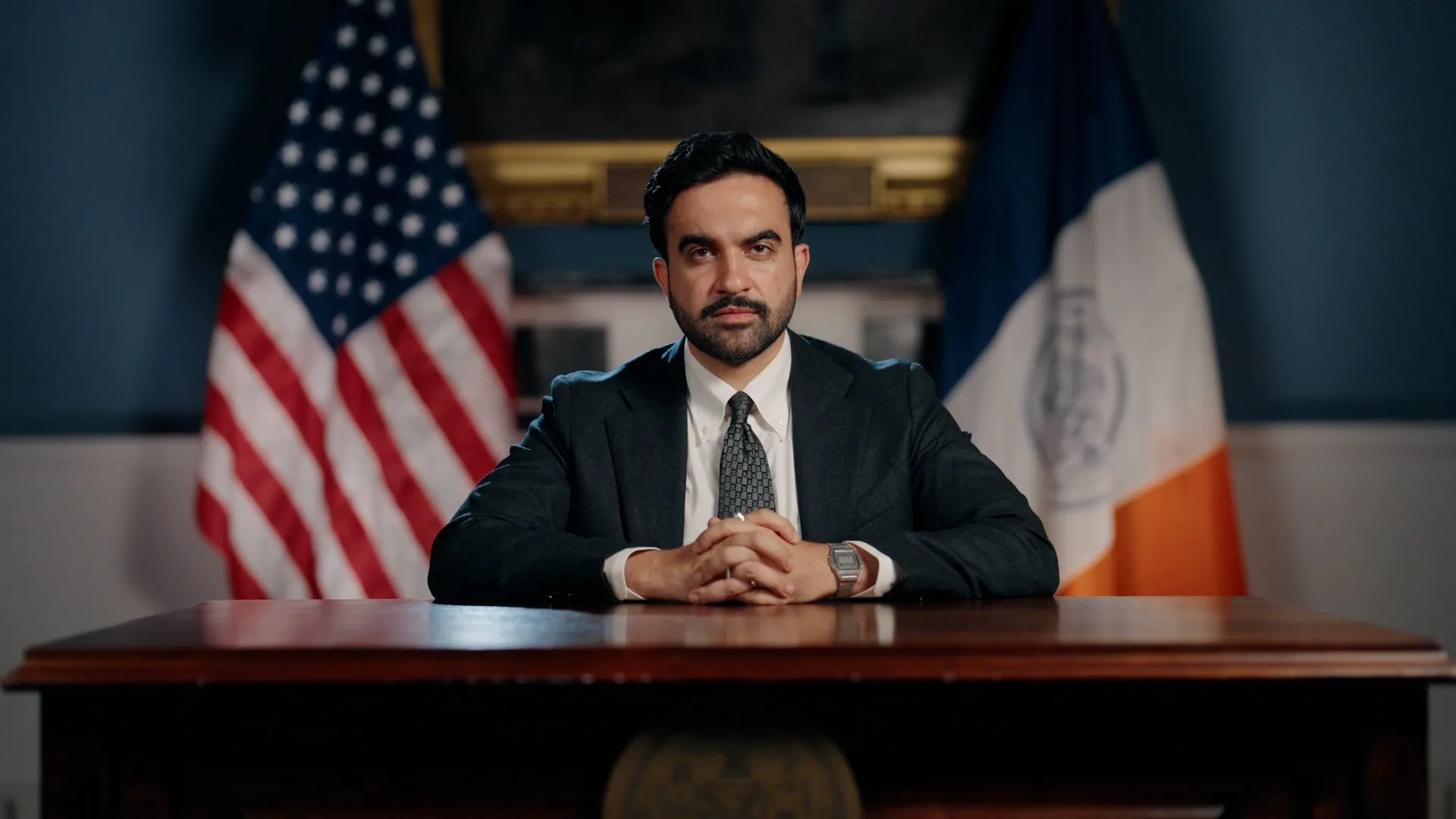
New York City Mayor Zohran Mamdani has issued a formal video statement calling for Israeli Prime Minister Benjamin Netanyahu to stand trial for war crimes. Released on 22 July 2026, the address marks a significant political assertion by the city’s leader regarding the conduct of foreign heads of state.
In the statement, Mamdani explicitly labelled Netanyahu a war criminal and urged that he face legal accountability for actions taken during armed conflict. The mayor’s intervention brings the issue of international humanitarian law into the spotlight of municipal politics, framing the Israeli prime minister’s actions as subject to judicial scrutiny.
However, Mamdani was clear about the practical limitations of such a call. He acknowledged that New York City authorities possess no jurisdiction to arrest Netanyahu, recognising the legal boundaries that prevent municipal bodies from enforcing international criminal law against foreign leaders.
The statement does not detail the specific legal evidence or judicial basis Mamdani relies upon to designate Netanyahu as a war criminal. While the mayor’s position is firm, the absence of cited proof in the initial report leaves the legal merits of the accusation open to interpretation and further political debate.
This declaration underscores the complex intersection of local governance and global diplomacy. By invoking the concept of war crimes, Mamdani has drawn a sharp line in international relations, even as he conceded that New York’s legal tools are insufficient to act on the charge directly.
The video statement serves as a public record of the mayor’s stance, though it remains unclear whether this view represents the official policy of the New York City administration or the personal position of the mayor. As of now, no diplomatic repercussions or formal responses from Israeli authorities have been reported.
The incident highlights the ongoing tension between political calls for accountability and the structural realities of international law. While municipal leaders can utilise their platforms to condemn actions abroad, the enforcement mechanisms for such accusations remain firmly within the domain of international courts and sovereign states.