New York City suspends AI in primary and secondary schools for one year
The largest public school system in the United States has imposed a one-year moratorium on artificial intelligence in classrooms, affecting 600,000 students and suspending 40 digital tools.
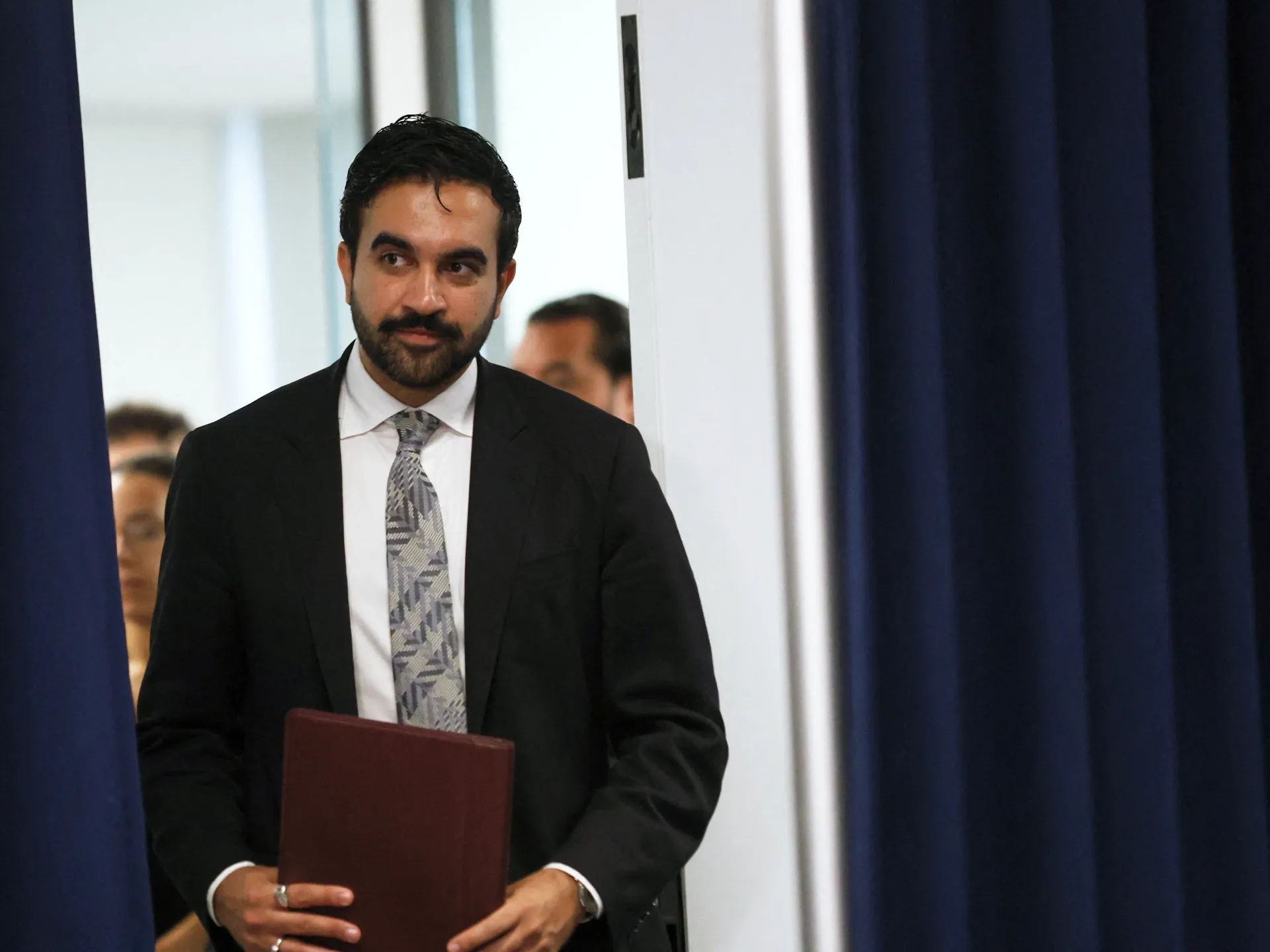
New York City Mayor Zohran Mamdani has announced a one-year moratorium on the use of artificial intelligence in elementary and middle school classrooms, a decision that impacts 600,000 students within the city’s public school system. The policy, the largest in the United States, suspends 40 specific educational tools while permitting teachers to continue using AI for lesson planning. The move is framed as a necessary pause to assess the impact of generative AI on student development before broader adoption.
The moratorium introduces staggered screen-time restrictions, limiting daily use to less than 45 minutes through Grade 8. It also prohibits the use of “companion chatbots” through high school, although City Hall did not provide a specific definition for the term. Exceptions to the ban apply to students with disabilities, multilingual learners, and those enrolled in career readiness programmes such as computer science. Students will also receive access to two yearly AI literacy courses covering technology, bias, and ethical issues.
A pilot programme will be launched in high schools to test specific tools with limited usage. The maths AI platform Edia will be available for 20 minutes per week, while Quill, used for English language arts, will be limited to 15 minutes per week. Mayor Mamdani stated that the city will spend the next year studying how the policy impacts students, arguing that children need human connection and the opportunity to wrestle with problems independently.
The decision comes amid declining academic performance, with reading proficiency scores for students in grades 3 through 8 dropping by 6 percent in 2025. Experts suggest the move could set a precedent for other districts. A comprehensive review by the Brookings Institution’s Center for Universal Education concluded that the negatives of generative AI in the classroom currently outweigh the positives, though careful implementation can enrich learning.
Research cited in the policy context includes a January 2025 report in the peer-reviewed sociology journal Societies, which found that individuals aged 17 to 25 who relied heavily on AI had lower levels of critical-thinking ability. Additionally, a College Board report indicated that 84 percent of faculty believe AI erodes students’ critical-thinking skills. Researchers have described this phenomenon as “digitally induced amnesia,” where students struggle to recall basic factual information after using AI.
New York City Public Schools Chancellor Kamar Samuels acknowledged that regulating AI use at home remains a challenge. She noted that the policy seeks to limit external use and expand teachers’ understanding of how to combat AI reliance outside the classroom. The announcement highlights a shift in governance, moving from an approach that allowed unvetted technology use to one that requires products to be proven safe before deployment.