New Jersey imposes curfew as immigration protests escalate
The state has enacted a curfew in response to escalating tensions, though specific parameters regarding the order’s duration and geographic scope remain undefined in initial reports.
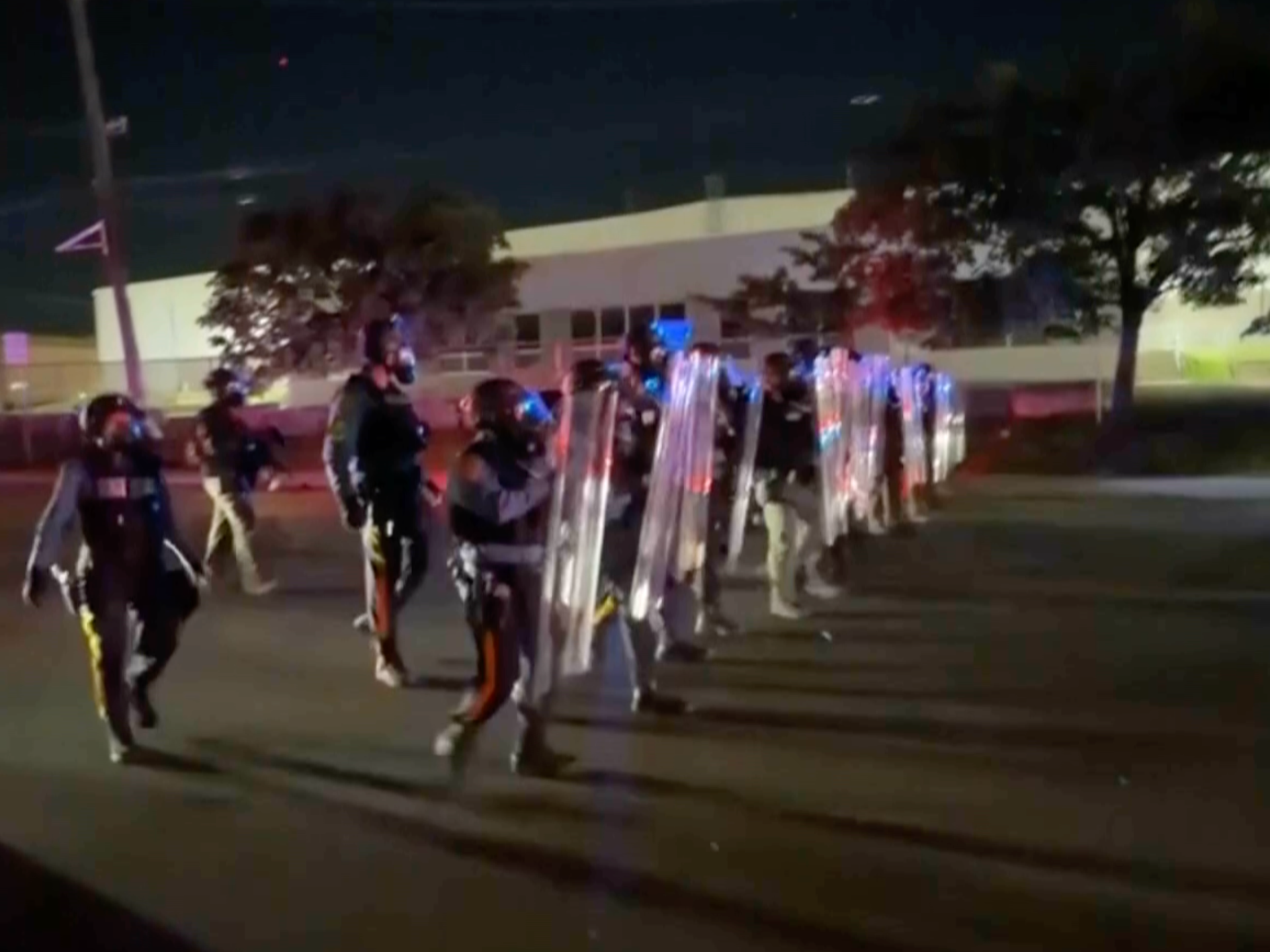
New Jersey authorities have ordered a curfew following an escalation in immigration-related protests, marking a significant intervention in the state’s ongoing political and security landscape. The decision underscores the severity with which local officials are treating the unrest, shifting the response from standard crowd management to restrictive public order measures.
The curfew was implemented directly in response to the intensification of demonstrations focused on immigration issues. While the specific triggers for the escalation have not been detailed in the initial announcement, the move signals a determination by state authorities to quell the unrest and reassert control over public spaces affected by the gatherings.
Despite the immediate imposition of the order, granular details regarding the curfew’s operational parameters remain sparse. The source material does not specify the exact start time, the duration of the restriction, or the precise geographic boundaries to which the order applies. This lack of specificity suggests that the announcement may be preliminary, with further directives expected as the situation develops.
The categorisation of this event under both security and politics highlights the dual nature of the crisis. It is not merely a law enforcement issue but also a matter of governance and public policy, reflecting the broader societal tensions surrounding immigration in the region. The state’s response will likely be scrutinised for its proportionality and adherence to civil liberties amidst the protest activity.
Retrieved background information concerning unrelated legal actions by New Jersey and New York against FIFA regarding World Cup ticket sales has been excluded from this report. The current focus remains strictly on the immediate security response to the immigration protests, with no evidence linking the curfew to sporting events or international football governance disputes.
As the curfew takes effect, attention will turn to how authorities manage the enforcement of the order and whether further restrictions are necessary. The absence of detailed timelines and locations in the initial report leaves the public and media with limited information on the exact impact of the measure on daily life in the affected areas.
The situation remains fluid, with the potential for further developments as more information becomes available regarding the nature of the protests and the specific terms of the curfew. Authorities are expected to provide additional clarity on the scope and duration of the order as the immediate threat to public order is assessed.