Starship faces first orbital attempt after years of suborbital tests
SpaceX plans a 14th test flight from Texas, aiming to reach orbit and deploy 26 Starlink satellites. The outcome remains uncertain.
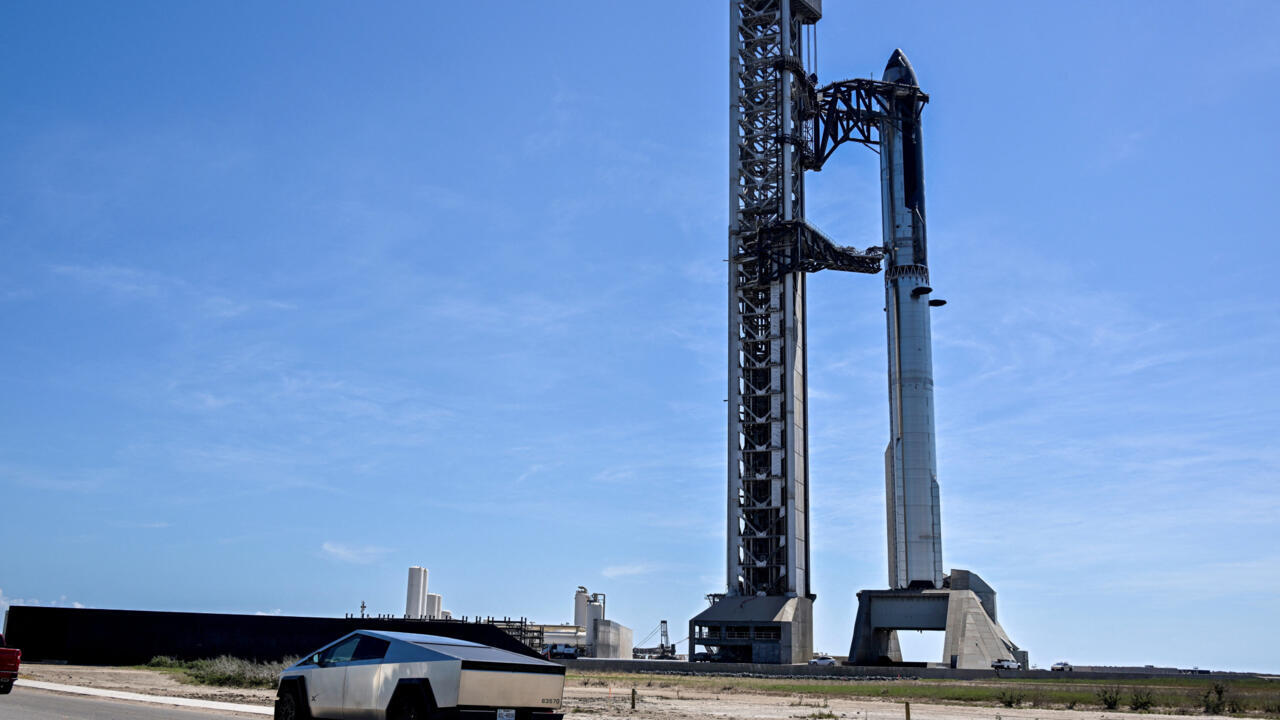
SpaceX plans to launch Starship from Texas on Monday, 28 September, in its first attempt to place the fully configured vehicle in Earth orbit. The 14th test flight is scheduled to begin at 7.15 am local time, or 12.15 GMT, and is expected to last about 10 hours, France 24 International reported.
The company aims to send the upper stage into a circular orbit about 275 kilometres above Earth and deploy 26 Starlink satellites. If successful, Starship would circle Earth six times before finishing in the Pacific Ocean. Its Super Heavy booster is expected to fall into the Gulf of Mexico; SpaceX does not plan to catch it.
The launch and deployment are planned outcomes, not confirmed results. Several previous tests have ended in explosions. SpaceX has flown Starship in full configuration since 2023, using suborbital trajectories for earlier tests.
The flight’s most demanding step will be a second burn to reach orbit, according to Kathleen Curlee, a senior analyst at Georgetown University’s Center for Security and Emerging Technology, cited by France 24. Curlee said obtaining flight data could count as an engineering success, while spectators and investors may have different expectations.
SpaceX says the test will open a new development phase that includes planned in-orbit refuelling tests. Starship is designed to be fully reusable and support future Moon and Mars missions, but substantial technical challenges remain before it is ready for commercial flights or those missions.