Netanyahu vows ‘crushing blow’ as Israel intensifies strikes on Lebanon despite ceasefire
Prime Minister declares Israel is ‘at war’ with Hezbollah as IDF launches new offensive in Bekaa Valley, triggering retaliatory fire and deepening humanitarian crisis.
Israeli Prime Minister Benjamin Netanyahu has declared that Israel is "at war" with Hezbollah and intends to deliver a "crushing blow" to the militant group, signalling a significant escalation in military operations despite a fragile truce. In a video statement on Monday evening, Netanyahu asserted that the military offensive had already eliminated over 600 terrorists and argued that increased strike intensity was now required to achieve strategic objectives.
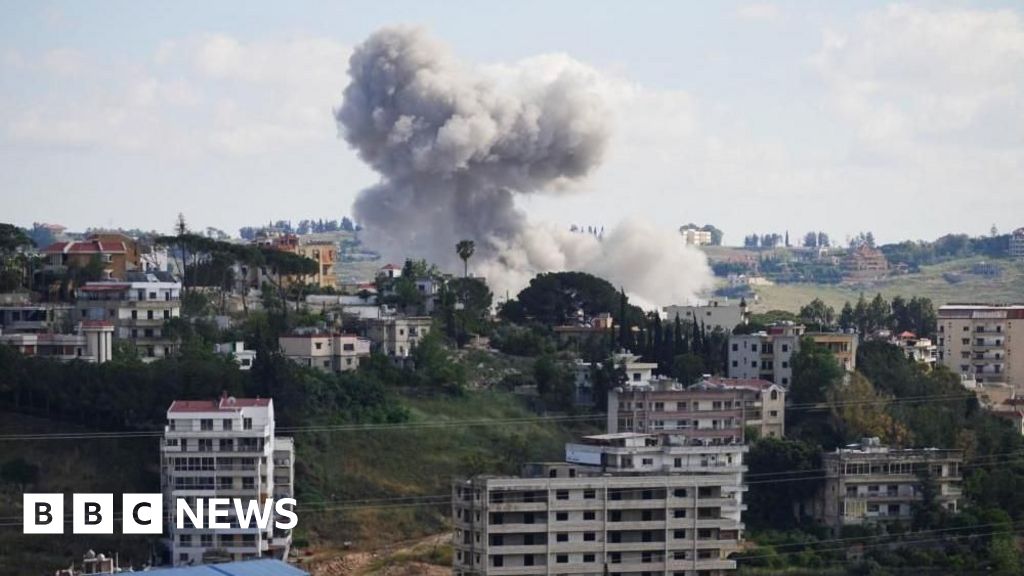
The Israel Defense Forces confirmed the launch of a new wave of attacks targeting Hezbollah positions in the Bekaa Valley in eastern Lebanon, as well as other areas of the country. This expansion of operations marks a departure from the previous month’s agreement, which had largely confined Israeli attacks to the southern border region. The Bekaa Valley strikes come close to the Syrian border, raising the stakes in a conflict that has already drawn in regional powers.
Hezbollah responded swiftly to the intensified bombardment, citing an Israeli violation of the ceasefire agreement. The group reported carrying out 22 drone and rocket attacks on Monday, targeting sites in southern Lebanon and northern Israel, including Israeli soldiers, tanks, barracks, and buildings. The retaliatory fire underscores the fragility of the 45-day ceasefire that was agreed upon earlier this month, which has seen continued fighting, over 400 deaths in Lebanon, and the displacement of more than one million people.
The political landscape within Israel remains divided on the path forward. Far-right ministers Bezalel Smotrich and Itamar Ben Gvir have called for an expansion of the military campaign, including potential operations into Beirut. Meanwhile, the Iranian government has insisted that any emerging peace deal with the United States must include a complete ceasefire on all fronts. Israel’s government has been opposed to ending the fighting against Hezbollah, even as Lebanese President Joseph Aoun demands a complete Israeli withdrawal from southern Lebanon.
Diplomatic efforts are set to resume next week in Washington, where officials from Lebanon and Israel, who do not have formal diplomatic relations, are scheduled to hold further negotiations. The humanitarian toll continues to mount, with more than 400 people killed in Lebanon since the ceasefire was signed on 16 April, including many paramedics and emergency service workers. Israel has issued near-daily orders for Lebanese citizens to leave their homes in new areas in the south, compounding the displacement crisis.